

 0
 0
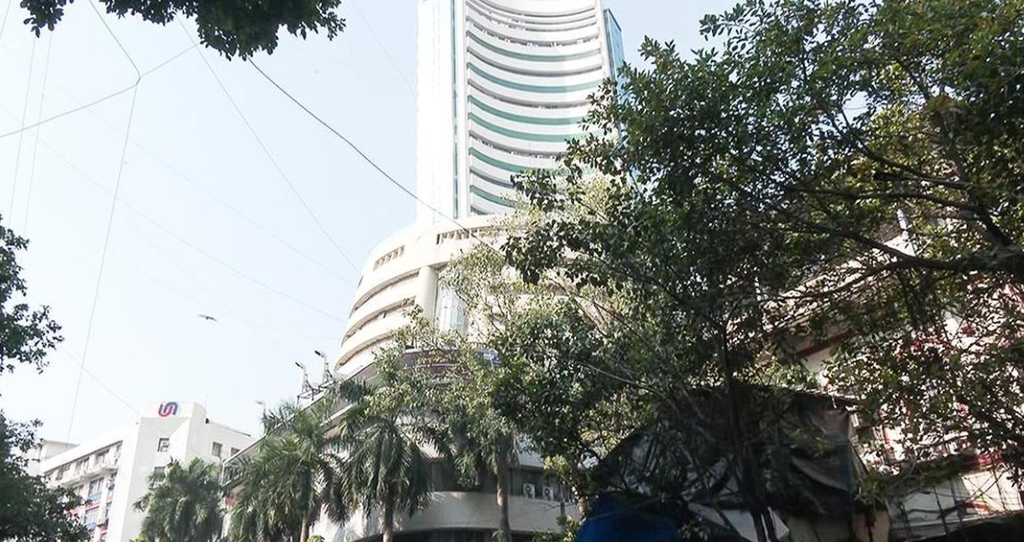
Indian Stock Market News: Indian stock markets rebounded on Monday, October 26, 2026, as the benchmark BSE Sensex surged nearly 483 points, ending a four-session losing streak. The NSE Nifty 50 also closed higher, moving above the 22,750 mark as buying interest returned to metal, pharmaceutical, information technology, and other heavyweight stocks.
The recovery brought relief to investors following several sessions of selling pressure. However, elevated crude oil prices, weakness in the Indian rupee, geopolitical uncertainty, and expectations surrounding the upcoming US Federal Reserve policy decision continued to influence market sentiment.
According to market reports, the Sensex closed at 73,606.75, gaining 482.92 points or 0.66%. The Nifty 50 advanced 153.20 points, or 0.68%, to finish at 22,753.20.
Sensex Today: Key Stock Market Highlights
The Indian stock market ended higher after recovering from early-session weakness. The benchmarks initially faced selling pressure but strengthened as investors bought selected stocks during the session.
Key market highlights included:
- BSE Sensex: Closed at 73,606.75, up 482.92 points or 0.66%.
- NSE Nifty 50: Finished at 22,753.20, gaining 153.20 points or 0.68%.
- Nifty Metal: Rose 2.21%, leading sectoral gains.
- Nifty Pharma: Advanced 1.76%, supported by strength in pharmaceutical stocks.
- Nifty IT: Increased 0.87%.
- Midcap and smallcap stocks: Recovered, with the Nifty Midcap 100 rising 1.19% and the Nifty Smallcap 100 gaining 1.38%.
The broader market recovery indicated that buying activity extended beyond the largest companies. Nevertheless, market volatility remained elevated, suggesting that investors were still cautious about the near-term outlook.
Why Did the Indian Stock Market Rebound?
Several factors contributed to the recovery in Indian equity markets after four consecutive sessions of losses.
1. Buying Interest in Metal Stocks
Metal stocks were among the strongest performers during Monday’s trading session. The Nifty Metal index gained 2.21%, supported by renewed interest in selected metal and steel companies.
JSW Steel was among the notable gainers after reporting strong quarterly earnings. Other heavyweight stocks also attracted buying interest, helping the sector recover from recent losses.
The metal sector’s performance was particularly important because commodity-linked stocks had faced pressure during the preceding correction.
2. Gains in Pharmaceutical Stocks
Pharmaceutical stocks also supported the broader market recovery. The Nifty Pharma index climbed 1.76%, while Dr. Reddy’s Laboratories emerged as one of the notable gainers.
The company’s shares advanced approximately 6.6% following its quarterly earnings announcement. Investors responded positively to the company’s reported financial performance and domestic business resilience.
Strength in pharmaceutical stocks helped improve market breadth and contributed to the recovery in benchmark indices.
3. Recovery in Heavyweight Stocks
Buying in selected large-cap companies provided additional support to the Sensex and Nifty. Adani Ports, Eternal, Tata Steel, Bharti Airtel, and Reliance Industries were among the notable gainers reported during the session.
These stocks helped offset losses in selected banking and technology companies, allowing the benchmark indices to finish near their intraday highs.
4. Relief Buying After Four Consecutive Sessions of Losses
The market rebound also reflected renewed buying interest after four consecutive sessions of declines.
When stock prices fall over several sessions, some investors begin purchasing shares they consider attractively valued. This activity, commonly described as value buying or bargain hunting, can support a short-term recovery.
However, a rebound after a prolonged decline does not necessarily confirm that the market has entered a sustained upward trend. Investors will need to monitor subsequent sessions for evidence of continued buying strength.
Top Stocks in Focus After the Market Recovery
Several stocks attracted attention as Indian equities recovered from recent losses.
- JSW Steel: Gained strongly following its quarterly earnings announcement.
- Dr. Reddy’s Laboratories: Advanced after investors assessed its latest financial performance.
- Adani Ports: Recorded gains among major Sensex constituents.
- Eternal: Rose during the session as selected large-cap stocks recovered.
- Kotak Mahindra Bank: Advanced following its quarterly profit performance.
In contrast, some heavyweight stocks remained under pressure. Bajaj Finance, HDFC Bank, and HCL Technologies were among the notable laggards reported during the session.
The mixed performance of individual stocks suggests that investors continued to differentiate between companies based on earnings, valuations, and business outlook rather than buying the entire market indiscriminately.
Crude Oil Prices and Rupee Weakness Remain Key Concerns
Despite the market recovery, elevated crude oil prices remained a major concern for investors.
India imports a substantial portion of its crude oil requirements, making domestic inflation, corporate costs, and the country’s import bill sensitive to international oil prices.
Higher oil prices can increase transportation and manufacturing expenses, put pressure on corporate profit margins, and complicate the inflation outlook. They can also influence expectations regarding interest rates and economic growth.
The Indian rupee also remained under pressure against the US dollar. Currency weakness can increase import costs and affect companies with significant foreign-currency exposure.
These factors could limit the sustainability of the stock market rebound if they continue to weigh on investor confidence.
US Federal Reserve Policy Decision in Focus
Investors are also monitoring the upcoming US Federal Reserve policy decision for clues about the future direction of global financial markets.
Changes in US interest-rate expectations can influence international capital flows, bond yields, currency movements, and investor appetite for emerging-market equities.
For Indian markets, the direction of foreign institutional investment, the strength of the rupee, and global risk sentiment will remain important factors.
Meanwhile, the ongoing quarterly earnings season is likely to influence stock-specific movements. Companies reporting strong earnings and providing encouraging business outlooks may attract investor interest, while disappointing results could trigger further selling.
Stock Market Analysis: Is the Sensex Recovery Sustainable?
The Sensex’s 483-point gain represents a positive development after four consecutive sessions of losses. However, investors should distinguish between a short-term relief rally and a confirmed recovery in the broader market trend.
Several factors will determine whether the market can maintain its upward momentum.
Positive factors
- Continued buying in metal, pharmaceutical, and heavyweight stocks.
- Better-than-expected quarterly earnings from selected companies.
- Recovery in midcap and smallcap stocks.
- Improved investor confidence following recent declines.
Risk factors
- Persistently high crude oil prices.
- Continued weakness in the Indian rupee.
- Geopolitical uncertainty and changes in global risk sentiment.
- Foreign investor selling and elevated market volatility.
- Disappointing corporate earnings or cautious management guidance.
The market’s ability to sustain gains will depend on whether buying interest broadens across sectors and continues over subsequent trading sessions.
Investors should also monitor market breadth, trading volumes, corporate earnings, and changes in global economic conditions before drawing conclusions about the next major market direction.
What Should Investors Watch Next?
The next few trading sessions could provide important clues about the strength of the recovery.
First, investors should monitor whether the Nifty 50 can maintain its position above 22,700. Sustained trading above this level could help improve short-term sentiment, although it should not be treated as a confirmed technical breakout without further analysis.
Second, movements in crude oil prices and the rupee will remain critical. Any sustained improvement in these external factors could support investor confidence, while renewed pressure could weigh on equities.
Third, quarterly earnings announcements will remain a key driver of individual stock performance. Companies demonstrating resilient revenue growth, healthy profit margins, and manageable debt levels may attract greater attention.
Finally, foreign institutional investor activity and the upcoming US Federal Reserve decision could influence overall market direction.
Conclusion
The Indian stock market rebounded on October 26, 2026, after a four-session losing streak, with the Sensex rising 482.92 points to close at 73,606.75. The Nifty 50 gained 153.20 points to finish at 22,753.20.
Strong performances in metal, pharmaceutical, and selected heavyweight stocks helped lift the benchmarks, while midcap and smallcap shares also recovered.
Despite the positive session, elevated crude oil prices, rupee weakness, geopolitical uncertainty, and global monetary policy expectations remain important risks.
Overall, the latest stock market rebound offers some relief to investors, but its sustainability will depend on continued buying interest, corporate earnings performance, and improvements in broader market conditions.
Disclaimer: This article is for informational and educational purposes only and does not constitute investment advice. Stock market investments are subject to market risks. Investors should conduct independent research or consult a qualified financial adviser before making investment decisions.






































































































































