0
0
 0
0
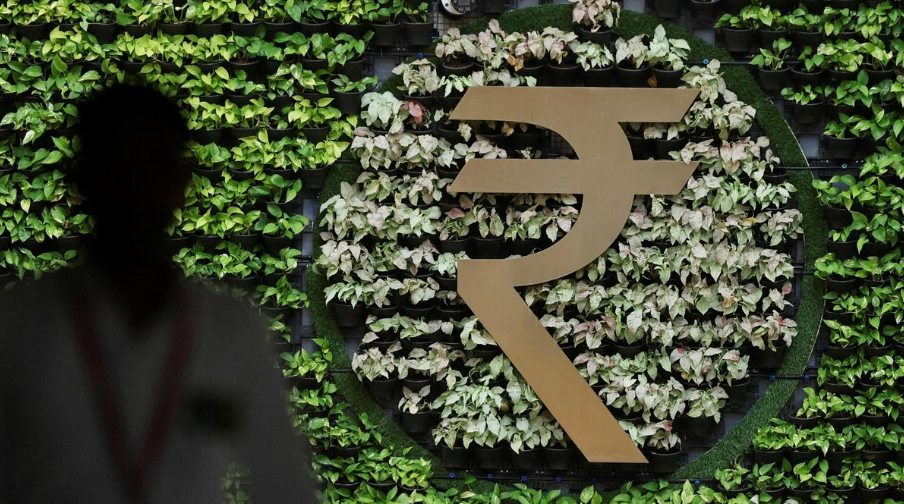
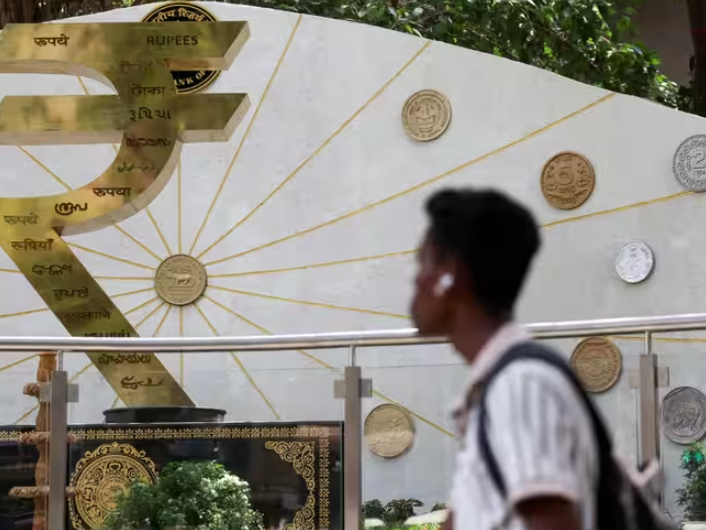
The Indian rupee weakened 21 paise to ₹94.95 against the U.S. dollar in early trade on Wednesday, September 9, 2026, as rising crude oil prices and escalating geopolitical tensions put pressure on the domestic currency. A weaker U.S. dollar provided some relief and prevented a sharper decline in the rupee.
At the interbank foreign exchange market, the rupee opened at ₹94.80 per U.S. dollar before slipping to ₹94.95. The move represented a 21-paise decline from its previous close of ₹94.74 on Tuesday.
Rupee Under Pressure as Crude Oil Prices Surge
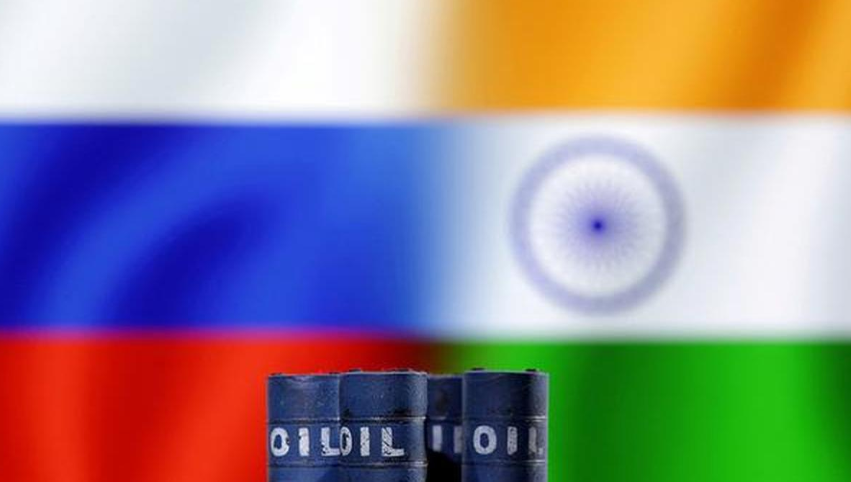
The main factor weighing on the Indian rupee was the sharp increase in crude oil prices. Brent crude, the global oil benchmark, moved close to the psychologically important $100-per-barrel level, as heightened tensions between the United States and Iran raised concerns about potential disruptions to global oil supplies.
Brent crude futures were reported at around $99.30 a barrel, up 1.41% during the session. The rise in oil prices is particularly significant for India because the country is one of the world’s largest crude oil importers. Higher oil prices increase the cost of imports and can place additional pressure on the country’s trade balance and currency.
Geopolitical Tensions Weigh on INR to USD
The ongoing geopolitical tensions in West Asia have become an important driver of currency-market volatility.
Investors are closely watching developments around the Strait of Hormuz, a critical route for global energy shipments. Concerns that the conflict could disrupt oil flows have contributed to the sharp rise in crude prices, increasing pressure on oil-importing economies such as India.
Market analysts said the Indian rupee opened lower because of the combination of escalating geopolitical risks and higher crude prices. However, weakness in the U.S. dollar helped cushion the rupee’s decline during early trading.
U.S. Dollar Weakness Offers Some Support
Despite the rupee’s decline, the U.S. dollar itself was relatively softer against a basket of major currencies.
The U.S. Dollar Index was trading slightly lower at around 98.76, providing some support for the Indian currency. Analysts said this dollar weakness could limit the rupee’s downside if global risk sentiment improves.
However, sustained increases in crude oil prices could continue to offset the benefit from a weaker dollar. For India, higher energy costs can increase inflationary pressures and put additional stress on the country’s external accounts.
RBI Remains Important for Currency Stability
The Reserve Bank of India (RBI) is expected to remain an important participant in the foreign exchange market as authorities seek to limit excessive volatility in the rupee.
Recent market activity has shown that the RBI has intervened to support the currency during periods of significant weakness. Reuters reported that the central bank had been actively supporting the rupee as higher oil prices and dollar demand created pressure in the foreign exchange market.
Such intervention can help smooth sharp movements in the INR to USD exchange rate, although it cannot completely eliminate the impact of sustained external pressures.
USD/INR Expected to Remain Volatile
Market participants are likely to keep a close eye on crude oil prices, developments in the U.S.-Iran conflict and upcoming inflation data in both India and the United States.
Analyst Anuj Choudhary of Mirae Asset Sharekhan said the rupee could maintain a negative bias amid elevated crude prices and geopolitical tensions. He also noted that weak global markets could create additional pressure, while a weaker dollar could provide support at lower levels.
The USD/INR spot rate was expected to trade within a range of ₹94.70 to ₹95.15, according to the analyst cited by Times of India.
Indian Stock Market Also Faces Pressure
Pressure on the rupee came alongside weakness in Indian equities.
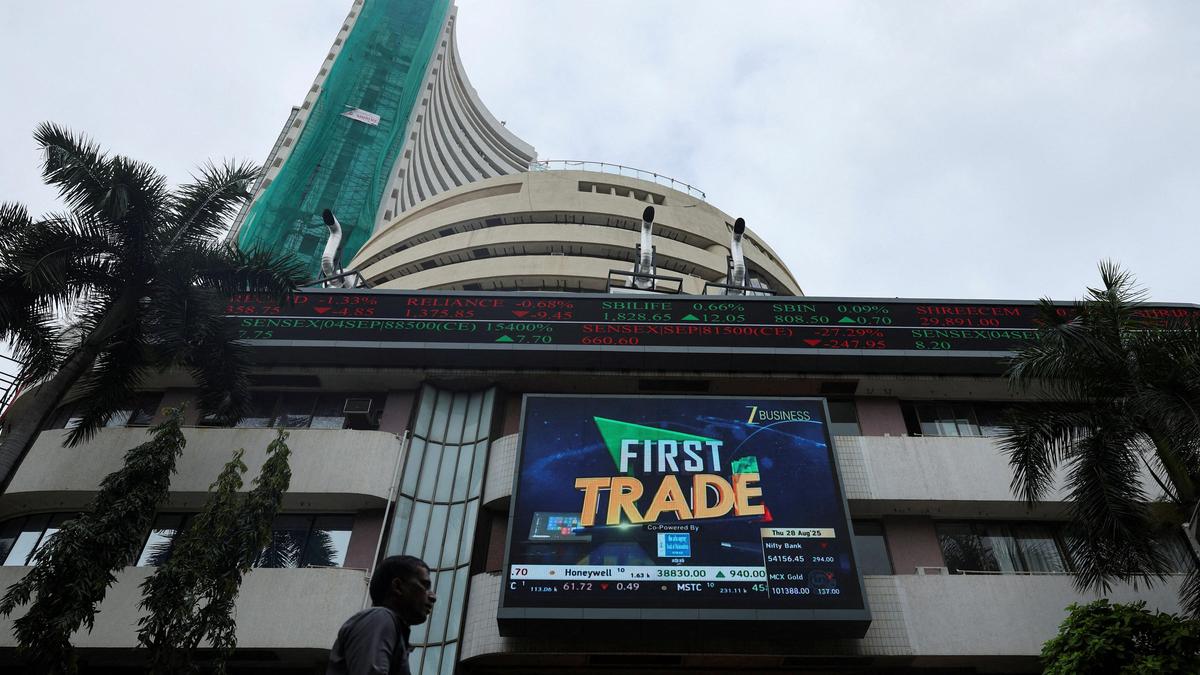
In early trading, the BSE Sensex fell more than 500 points, while the NSE Nifty also declined as investors reacted to higher crude prices and heightened geopolitical uncertainty. Foreign institutional investors were net sellers of Indian equities in the previous session, adding to concerns about capital outflows.
The combination of weaker equities, elevated oil prices and geopolitical uncertainty could keep foreign-exchange markets volatile in the near term.
What Could Happen to the Rupee Next?
The near-term outlook for the INR to USD exchange rate will largely depend on developments in global energy markets and geopolitical tensions.
If Brent crude remains near or above $100 a barrel, the rupee could face additional pressure because higher oil prices increase India’s import bill. On the other hand, a decline in crude prices or easing tensions could reduce pressure on the currency.
The performance of the U.S. dollar will also remain important. A weaker dollar could provide some relief to emerging-market currencies, including the rupee, while renewed dollar strength could make it more difficult for the Indian currency to recover.
The Indian rupee fell 21 paise to ₹94.95 against the U.S. dollar in early trade on September 9, 2026, pressured mainly by rising crude oil prices and escalating U.S.-Iran tensions. Although weakness in the dollar provided some support, concerns over oil supply disruptions and global market volatility continued to weigh on investor sentiment.
With Brent crude approaching the $100-a-barrel threshold, traders are likely to closely monitor geopolitical developments, oil prices, RBI intervention and global economic data for further clues about the direction of the INR to USD exchange rate.