0
0
 0
0
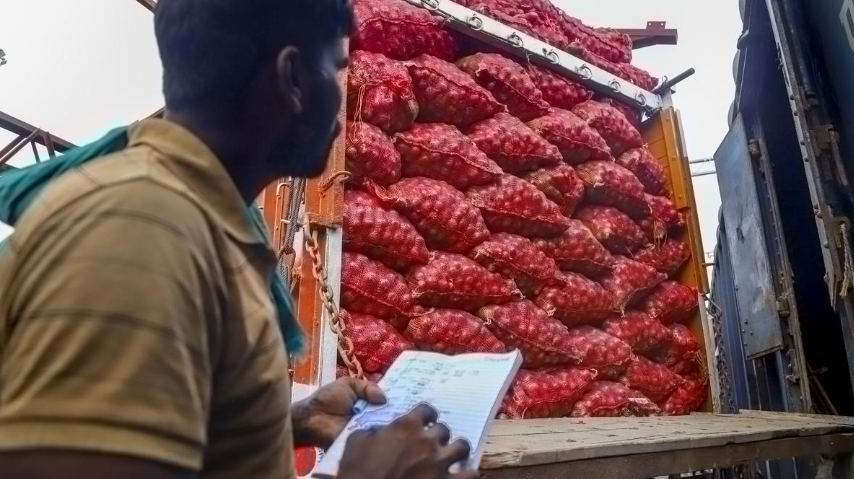
Onion prices have surged sharply across parts of India, raising concerns for consumers, traders and policymakers ahead of the festive season. The latest increase is being driven largely by supply disruptions, weather-related damage, delayed arrivals and tighter availability in major wholesale markets.
The sharp movement has been particularly visible at Lasalgaon in Maharashtra, one of India’s most important onion trading centres. Wholesale onion prices there jumped 16% in just two trading sessions, highlighting the sensitivity of the market to changes in arrivals and supply conditions.
The government has responded by releasing buffer stocks and expanding subsidised onion sales in several cities. The Centre has announced plans to supply onions at ₹35 per kg in affected markets, including a planned supply of 1,000 metric tonnes to Delhi.
Why Are Onion Prices Rising Suddenly?
The latest onion price surge is not the result of a single factor. Instead, several supply-side pressures have emerged at the same time.
1. Weather Disruptions Are Affecting Supply
One of the biggest factors behind the recent increase is erratic weather.
Heavy and unseasonal rainfall in onion-growing regions can damage standing crops, affect harvesting and disrupt transportation. When fewer onions reach wholesale markets, prices can rise rapidly because demand remains relatively stable.
Recent reports have linked the latest price pressure to crop damage caused by heavy rains and supply disruptions.
Weather therefore plays an important role in determining short-term onion prices, particularly because onions are highly sensitive to changes in harvesting and storage conditions.
2. Delayed Crop Arrivals Are Tightening the Market
Another important factor is the timing of arrivals at wholesale markets.
When fresh onion supplies arrive later than expected, traders have fewer stocks available to meet immediate demand. This can create a temporary supply gap and push wholesale prices higher.
The government has also raised its Minimum Assured Procurement Price for onions several times this year. In August, the procurement price was increased to ₹26.45 per kg amid tighter supplies and delayed arrivals.
This indicates that the government itself has been responding to changing market conditions and higher procurement costs.
3. The Festive Season Could Add Demand Pressure
The timing of the price increase is also significant.
August and September are traditionally periods when onion prices can come under pressure because of seasonal supply patterns, weather conditions and increased demand ahead of major festivals.
Recent reporting noted that retail onion prices had risen 45% year-on-year and 19% compared with the previous month, while the government said seasonal factors, weather and supply-chain conditions were contributing to the increase.
If demand increases while supplies remain restricted, even a relatively small disruption can produce a significant movement in retail prices.
4. Lasalgaon Provides an Important Market Signal
Lasalgaon, located in Maharashtra’s Nashik district, is widely regarded as one of India’s key onion markets.
Movements in wholesale prices there are closely watched because they can influence prices in other markets across the country.
The recent 16% increase over two trading sessions is therefore significant. It suggests that the market remains highly sensitive to supply conditions, even after government intervention.
The subsequent rebound in wholesale prices also indicates that the market has not yet achieved stable equilibrium between supply and demand.
5. Why Government Buffer Stocks Matter
The Centre maintains onion buffer stocks partly to manage periods of sharp price volatility.
When market supplies become tight, releasing onions from government reserves can increase availability and reduce pressure on prices.
The government has been preparing to release buffer stocks during the current period of elevated prices. It has also expanded subsidised onion sales to 19 cities, with onions being sold at ₹35 per kg through mobile distribution channels.
The objective is straightforward: increase supply in consumer markets and prevent temporary shortages from turning into a prolonged price shock.
Delhi Gets Additional Onion Supplies
Delhi has emerged as one of the markets receiving additional government support.
The Centre plans to provide 1,000 metric tonnes of onions to Delhi, which will be sold at ₹35 per kg through fair-price outlets.
The move is designed to increase supply and provide consumers with an affordable alternative while market prices remain elevated.
However, the effectiveness of such intervention will depend on how quickly the additional supply reaches consumers and whether wholesale arrivals improve.
Tamil Nadu Also Announces Subsidised Onion Sales
The price pressure is not limited to northern India.
Tamil Nadu has announced plans to sell onions at ₹35 per kg through urban ration shops, with distribution scheduled across thousands of outlets.
The move reflects growing concern over the impact of higher onion prices on household budgets and is another example of governments using subsidised sales to provide short-term relief.
Such measures can help consumers temporarily, but a sustained reduction in prices ultimately depends on improving market supply.
Will Onion Prices Fall Soon?
The outlook depends largely on the arrival of fresh supplies.
If weather conditions improve and more onions reach wholesale markets, prices could begin to moderate. Government buffer-stock releases could also help bridge the short-term supply gap.
However, if weather-related disruptions continue and arrivals remain weak, prices could remain volatile.
The latest rebound at Lasalgaon after a previous decline shows just how quickly the market can change.
For consumers, this means onion prices may continue to fluctuate in the short term rather than moving steadily in one direction.
What Does the Price Surge Mean for Consumers?
For households, onions are a relatively small component of total food spending but an essential ingredient in Indian cooking.
A sustained increase can therefore have a noticeable psychological and financial impact, particularly for lower-income households.
Higher onion prices can also affect restaurants, food vendors and catering businesses. Businesses that use large quantities of onions may face higher input costs and could eventually pass part of those costs on to consumers.
The broader concern for policymakers is that sharp vegetable price increases can contribute to food inflation even when prices of other commodities remain stable.
The Bigger Picture
The latest onion price surge highlights a familiar challenge in India’s agricultural economy: prices can change rapidly when production, weather, storage and market arrivals move out of balance.
Onions are particularly vulnerable to these fluctuations because supply is seasonal and production is concentrated in major growing regions.
Government buffer stocks, subsidised sales and procurement interventions can help smooth temporary shocks. But long-term price stability also requires better storage infrastructure, efficient supply chains, accurate production forecasting and timely movement of crops from farms to markets.
The sudden surge in onion prices in India is being driven by a combination of weather-related crop damage, delayed arrivals, tighter supplies and seasonal demand pressures. The sharp increase in wholesale prices at Lasalgaon has reinforced concerns about availability, while government agencies are releasing buffer stocks and selling onions at subsidised rates to ease pressure on consumers.
The immediate outlook will depend on fresh crop arrivals and weather conditions. If supplies improve, prices could ease. But if disruptions continue, onion prices may remain volatile through the coming weeks.
For now, the government’s intervention is aimed at preventing a temporary supply squeeze from becoming a larger food-price problem.