

 0
 0
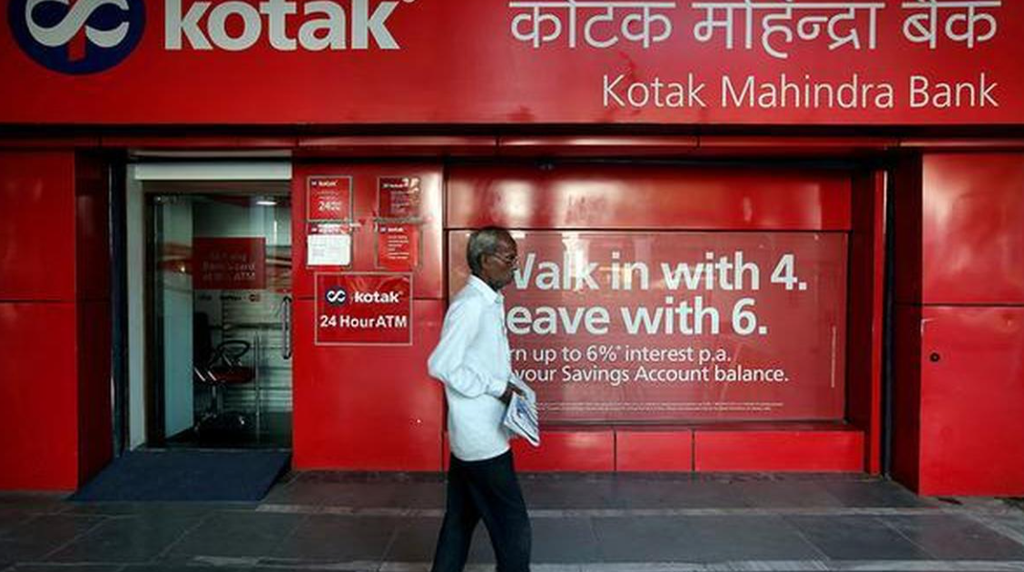
Kotak Mahindra Bank Q2 Results: Kotak Mahindra Bank reported a 26% increase in net profit for the second quarter, supported by higher income and improved asset quality. The performance highlights the bank’s continued focus on strengthening profitability, managing credit risks, and maintaining a stable financial position amid changing market conditions.
Kotak Mahindra Bank Q2 Profit Growth Driven by Higher Income
Kotak Mahindra Bank recorded strong profit growth in the second quarter, with net profit rising 26% compared with the corresponding period, according to the headline provided. Higher income played a key role in supporting the bank’s financial performance, reflecting its ability to generate revenue from its banking operations.
Income growth remains an important factor for banks as they seek to balance lending activity, deposit costs, and operating expenses. For Kotak Mahindra Bank, stronger income can help support earnings momentum while providing flexibility to invest in business expansion, digital banking services, and customer-focused financial products.
The reported increase in quarterly net profit also highlights the importance of revenue diversification and effective financial management in a competitive Indian banking sector.
Improved Asset Quality Supports Financial Performance
Another key factor behind Kotak Mahindra Bank’s stronger quarterly results was improved asset quality. Asset quality is a critical indicator of a bank’s financial health because it reflects the performance of its loan portfolio and its exposure to potential credit losses.
When asset quality improves, banks may face lower pressure from non-performing loans and credit provisions. This can help protect earnings, improve risk management, and strengthen confidence among investors and depositors.
For Kotak Mahindra Bank, better asset quality alongside higher income suggests that profitability growth was supported by both revenue generation and credit-risk management. However, the sustainability of this improvement will depend on future lending conditions, borrower repayment capacity, and broader economic trends.
Indian Banking Sector Outlook and Key Challenges
The latest profit growth comes amid an evolving environment for India’s banking industry. Financial institutions continue to navigate competition for deposits, changing interest-rate conditions, credit demand, and regulatory requirements.
Higher income can support profitability, but banks must also manage funding costs and maintain sufficient capital to support lending growth. At the same time, maintaining strong underwriting standards is essential to prevent deterioration in asset quality as loan portfolios expand.
Kotak Mahindra Bank’s quarterly performance therefore offers an important indicator of how revenue growth and credit discipline can contribute to stronger earnings. Investors will likely continue to monitor income trends, loan growth, deposit mobilisation, and non-performing asset ratios in subsequent quarters.
What Kotak Mahindra Bank’s Q2 Results Mean for Investors
The 26% increase in net profit is a positive headline for Kotak Mahindra Bank, particularly because it was accompanied by higher income and better asset quality. These factors can indicate improved operating performance and more effective management of credit risks.
Nevertheless, a complete assessment of the bank’s financial position requires additional information, including the exact quarterly profit figure, net interest income, net interest margin, provisions, loan growth, and gross and net non-performing asset ratios.
Investors should also consider the bank’s valuation, future earnings expectations, competitive position, and broader market conditions before making investment decisions. Strong quarterly earnings alone do not guarantee future share-price gains.
Kotak Mahindra Bank’s second-quarter net profit reportedly increased 26%, driven by higher income and improved asset quality. The performance underscores the importance of revenue growth and disciplined credit management in sustaining banking profitability.
Going forward, the bank’s ability to maintain earnings momentum, control funding costs, and preserve asset quality will remain central to its financial outlook. Investors and market observers will be watching upcoming results for further evidence of sustainable growth in India’s competitive banking sector.






































































































































