0
0
 0
0
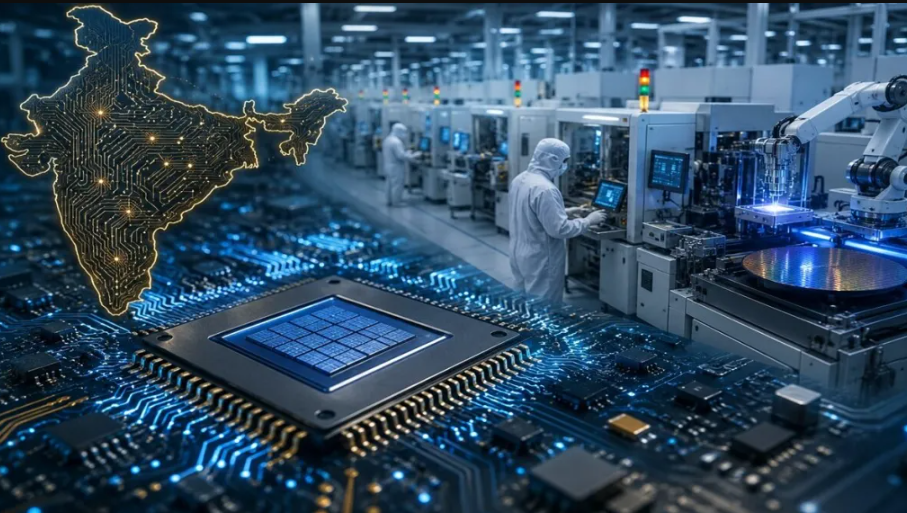
India’s semiconductor ambitions are moving from policy announcements toward actual production, with three semiconductor plants now running and more projects expected to enter commercial production by the end of 2026.
The progress comes as India prepares for SEMICON India 2026, scheduled for September 17–19. The event is expected to bring together global semiconductor companies, investors, policymakers and technology leaders as India seeks a larger role in the global chip supply chain.
The timing is significant. India is targeting a semiconductor opportunity that could reach $200 billion, reflecting the expected expansion of domestic chip demand as electronics, artificial intelligence, automobiles, telecommunications and data-centre infrastructure continue to grow.
Three Semiconductor Plants Are Already Operating
India’s semiconductor story has entered a more practical phase in 2026.
Three facilities have already started production, marking an important shift from building projects to manufacturing chips and semiconductor components domestically. Prime Minister Narendra Modi recently highlighted the progress, saying semiconductor production had begun at three plants.
Among the major projects are facilities associated with Micron, Tata Electronics and CG Power, with the Sanand and Assam regions emerging as important centres for India’s semiconductor ecosystem.
Micron’s facility in Sanand focuses on assembly and testing, while Tata Electronics is developing semiconductor assembly and test capabilities in Assam. CG Power is also establishing a major semiconductor facility in Gujarat.
This growing manufacturing base could help India reduce its dependence on imported semiconductor components while creating a stronger domestic electronics supply chain.
More Chip Projects Could Become Commercial by Year-End
The next milestone could arrive before the end of 2026.
According to MeitY Secretary S. Krishnan, India could have five to six semiconductor projects in commercial production by the end of the year. That would represent a significant increase from the three projects already producing.
The expected expansion is important because semiconductor manufacturing requires long development cycles, sophisticated equipment, skilled workers and reliable supply chains.
Moving several projects into commercial production within the same year would therefore represent meaningful progress for India’s semiconductor strategy.
The $200 Billion Opportunity
The scale of India’s semiconductor opportunity is one of the biggest reasons global companies are watching the country.
Recent government-linked projections suggest that India’s semiconductor demand could increase from roughly $100 billion to $200 billion, while global semiconductor demand is projected to grow from about $1 trillion to $2 trillion.
The growth will be driven by several industries.
Artificial Intelligence
The rapid expansion of AI infrastructure is increasing demand for processors, memory, advanced packaging and other semiconductor components.
As India builds more data centres and develops domestic AI capabilities, semiconductor demand is expected to rise alongside computing requirements.
Automobiles and Electric Vehicles
Modern vehicles increasingly depend on semiconductors for safety systems, infotainment, power management, sensors and electric drivetrains.
India’s expanding automotive and electric-vehicle markets therefore represent another major source of chip demand.
Consumer Electronics
Smartphones, televisions, appliances, wearables and other connected devices require large numbers of semiconductor components.
A stronger domestic chip ecosystem could help Indian electronics manufacturers source more components locally.
Telecommunications
5G infrastructure and future communications technologies also require sophisticated semiconductor components.
Greater domestic production could strengthen India’s ability to build a more resilient telecommunications supply chain.
India Semiconductor Mission 2.0 Expands the Strategy
India’s semiconductor push is no longer limited to attracting fabrication and assembly plants.
The government introduced India Semiconductor Mission 2.0 as part of the Union Budget 2026–27. The initiative aims to deepen India’s semiconductor ecosystem by focusing on semiconductor equipment and materials, domestic semiconductor intellectual property and stronger global supply chains.
That broader approach is important.
A successful semiconductor industry requires much more than factories. India also needs chip designers, equipment suppliers, materials companies, testing specialists, packaging capabilities and highly trained engineers.
ISM 2.0 is intended to address those parts of the ecosystem.
Tata’s Role Could Be Crucial
Tata Electronics has emerged as one of the most important Indian companies in the semiconductor push.
The group is developing projects across different parts of the semiconductor value chain, including a major fabrication facility in Dholera, Gujarat, and an assembly and testing facility in Assam.
The Dholera project is particularly significant because wafer fabrication represents a deeper level of semiconductor manufacturing compared with assembly and testing.
If successfully brought online, the facility could become an important foundation for India’s ambition to develop domestic chip manufacturing at scale.
Gujarat and Assam Become Semiconductor Hubs
Two regions are increasingly central to India’s semiconductor strategy: Gujarat and Assam.
Gujarat has attracted several major semiconductor projects, particularly around Sanand and Dholera. Assam, meanwhile, has emerged as a major location for Tata Electronics’ semiconductor assembly and testing operations.
The geographic expansion is important because a successful chip ecosystem requires supporting industries around manufacturing facilities.
Over time, these semiconductor hubs could attract suppliers, logistics companies, engineering firms and technology startups.
Global Companies Are Watching India
India’s semiconductor opportunity is also linked to a broader restructuring of global supply chains.
Companies are increasingly looking for manufacturing locations beyond traditional semiconductor centres in East Asia. India’s large domestic market, growing electronics industry, engineering talent and government incentives make it an increasingly attractive destination.
The country’s objective is therefore not simply to produce chips for domestic consumption.
India wants to become part of the global semiconductor supply chain and eventually serve international markets.
The Biggest Challenge: Building the Ecosystem
Despite the progress, India still faces significant challenges.
Semiconductor manufacturing is capital-intensive and technologically demanding. Building factories is only the first step. India must also ensure reliable power, water, logistics, raw materials, specialised equipment and highly skilled workers.
The country will also need to develop a deeper network of local suppliers.
That is why the next phase of India Semiconductor Mission is so important. The government is attempting to move beyond individual projects and create a complete ecosystem around semiconductor manufacturing and design.
SEMICON India 2026 Could Become a Major Industry Milestone
Against this backdrop, SEMICON India 2026 comes at a crucial moment.
The event will provide India with an opportunity to showcase its manufacturing progress and attract additional investments from global semiconductor companies.
With three plants already operating and five to six projects potentially reaching commercial production by the end of 2026, the country’s semiconductor story is becoming increasingly tangible.
The event could also highlight the next stage of India’s strategy: moving from assembly and testing toward more advanced manufacturing, chip design and supply-chain integration.
What Comes Next for India’s Chip Ambition?
The next few years will determine whether India can transform its semiconductor investments into a globally competitive ecosystem.
The immediate goal is to bring more approved projects into commercial production. The longer-term objective is to build domestic capabilities across the semiconductor value chain.
If India succeeds, the country could become an increasingly important destination for chip manufacturing and electronics production.
The potential $200 billion domestic semiconductor opportunity provides a powerful economic incentive, while global supply-chain diversification gives India an additional strategic advantage.
SEMICON India 2026 arrives at a turning point for India’s semiconductor industry. Three semiconductor plants are already operating, while government officials expect five to six projects could reach commercial production by the end of 2026.
The opportunity extends far beyond chip factories. India is targeting a semiconductor market that could reach $200 billion, while India Semiconductor Mission 2.0 seeks to strengthen chip design, equipment, materials and supply-chain capabilities.
The challenge now is execution. If India can successfully scale production, attract global technology partners and develop the supporting ecosystem, the country could move from being heavily dependent on imported semiconductors to becoming a meaningful player in the global chip industry.