

 0
 0
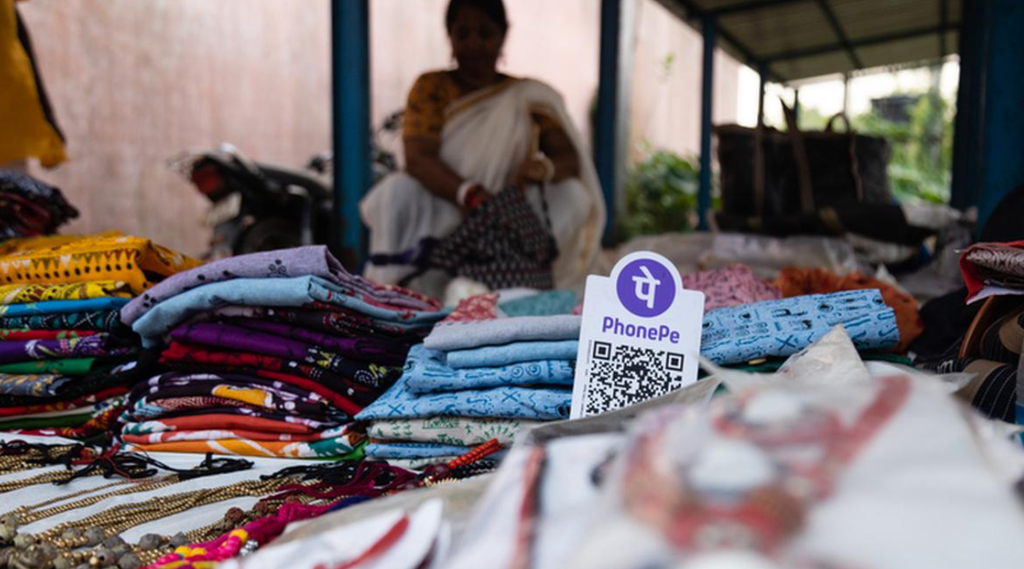
The Government of India and banks are expected to discuss the future subsidy for Unified Payments Interface (UPI) transactions after the introduction of a Merchant Discount Rate (MDR) on selected UPI merchant payments.
According to officials cited in recent reports, the new MDR revenue is not expected to fully cover the cost of operating and maintaining the UPI ecosystem. The Finance Ministry is therefore expected to consult the Indian Banks’ Association (IBA) on the amount and structure of government support that should continue.
UPI Subsidy to Continue After MDR?
The government currently provides financial incentives to support low-value UPI transactions, particularly transactions involving small merchants. For the financial year 2026–27, the Union Budget allocated ₹2,000 crore under the incentive scheme for promoting RuPay debit cards and low-value BHIM-UPI person-to-merchant transactions.
The introduction of MDR, however, changes the economics of the UPI payment ecosystem.
From October 15, 2026, eligible UPI person-to-merchant transactions above ₹2,000 will attract an MDR of 0.4%, subject to applicable caps and sector-specific provisions. The government has indicated that the MDR will apply only to selected merchant transactions rather than all UPI payments.
The exact level of subsidy that will continue after MDR takes effect has not yet been finalized.
Why Is the Government Reviewing the UPI Subsidy?
UPI has operated under a zero-MDR framework for several years, with government incentives helping banks and other participants offset part of the cost associated with processing transactions.
The latest discussions reflect a change in the revenue model. With MDR expected to generate income for participants in the payment ecosystem, the government and banks need to determine how much additional financial support remains necessary.
According to officials cited by The Hindu, MDR collections are not expected to cover the entire cost of running and maintaining UPI. The Finance Ministry is consequently expected to discuss the continuation and form of the subsidy with banks.
How Will the New UPI MDR Work?
The new framework does not apply to every UPI transaction.
According to the Ministry of Finance, person-to-person (P2P) UPI transactions will remain free, regardless of the amount transferred. Merchant payments up to ₹2,000 will also remain free, along with transactions covered under the zero-MDR framework for small merchants.
For eligible merchant transactions above ₹2,000, the standard MDR will be 0.4%. Transactions of ₹75,000 and above will have a maximum MDR of ₹300 per transaction.
Some essential sectors will have different provisions. Transactions above ₹2,000 in sectors such as fuel, railways, telecommunications, insurance and agricultural inputs will attract a flat ₹5 MDR. Capital-market transactions will have an MDR of 0.02%, capped at ₹300.
Will UPI Users Have to Pay the MDR?
The government has clarified that customers will not pay the MDR.
MDR is a charge within the merchant payment ecosystem rather than a direct fee imposed on consumers. The government has also said that banks should ensure merchants do not pass the MDR onto customers, while UPI application providers are prohibited from imposing platform fees or hidden charges related to the new framework.
This means the immediate financial impact of MDR is designed to fall within the merchant and payment ecosystem rather than directly on UPI users.
Around 96% of Merchant UPI Transactions to Remain Unaffected
The government has said that approximately 96% of UPI person-to-merchant transactions will remain unaffected by the new MDR framework.
Transactions below the ₹2,000 threshold and those covered by the zero-MDR provisions for small merchants will continue without the new MDR. The Ministry of Finance estimates that MDR will apply to only around 4% of merchant transaction volume.
The distinction is important because the introduction of MDR does not mean that UPI will become a paid service for ordinary users.
What Happens to the Existing UPI Incentive Scheme?
The government has already budgeted ₹2,000 crore for FY2026–27 for incentives related to RuPay debit cards and low-value BHIM-UPI transactions.
The existing incentive mechanism was introduced to support the payment ecosystem after MDR was made zero for eligible transactions. Under the earlier framework, incentives were linked to eligible low-value UPI transactions involving small merchants. PPress Information Bureau
With MDR now being introduced for selected higher-value merchant payments, the government is considering how the existing subsidy should evolve.
The final decision could determine whether the subsidy continues at its current level, is modified, or is provided through a different mechanism.
Government to Discuss MDR With Banks and Merchants
The Finance Ministry is also expected to engage with banks and merchant organizations regarding the implementation of MDR.
Officials have indicated that the government wants merchants to understand the new system and avoid unnecessary concerns about UPI acceptance. Most merchant transactions will remain outside the MDR framework, while the charges on eligible higher-value transactions will be paid within the payment ecosystem
Separately, petroleum dealers have raised concerns about MDR because of its potential effect on their margins. The Petroleum Ministry is expected to engage with petroleum dealers and their associations on the issue.
What the UPI Subsidy Decision Could Mean for the Digital Payments Ecosystem
The subsidy decision will be important for the long-term economics of India’s UPI infrastructure.
UPI has grown into a major digital payments network, processing billions of transactions every month. The government’s new framework attempts to introduce a revenue source through selected MDR transactions while maintaining free access for consumers and most smaller merchant payments.
The final subsidy structure will help determine how the costs of maintaining and expanding the UPI ecosystem are shared among the government, banks, payment service providers and other participants.
For consumers, the government’s current position remains that UPI payments will continue to be free for users.
UPI MDR and Subsidy: Key Points
- The new UPI MDR framework is scheduled to take effect from October 15, 2026.
- Eligible merchant transactions above ₹2,000 will generally attract 0.4% MDR.
- MDR is not a direct charge on UPI customers.
- P2P UPI transactions will remain free.
- Most merchant UPI transactions will remain unaffected.
- The government has allocated ₹2,000 crore for FY2026–27 under the existing incentive scheme.
- The government and banks are expected to discuss the future size and structure of the UPI subsidy.
- MDR revenue is not expected to cover the entire cost of operating the UPI ecosystem.
- The final subsidy arrangement has not yet been announced.
The introduction of MDR on selected UPI merchant transactions marks a significant change in the economics of India’s digital payments ecosystem. However, the government is still examining how much financial support should continue alongside the new MDR revenue.
The Government of India and banks are expected to determine the future UPI subsidy amount and mechanism through discussions with the banking industry. Meanwhile, UPI users will continue to have free access to P2P payments, while most merchant transactions will remain outside the new MDR framework.
The final decision on the subsidy will be important for banks, payment companies and merchants as India moves toward a new revenue model for UPI.






































































































































