

 0
 0
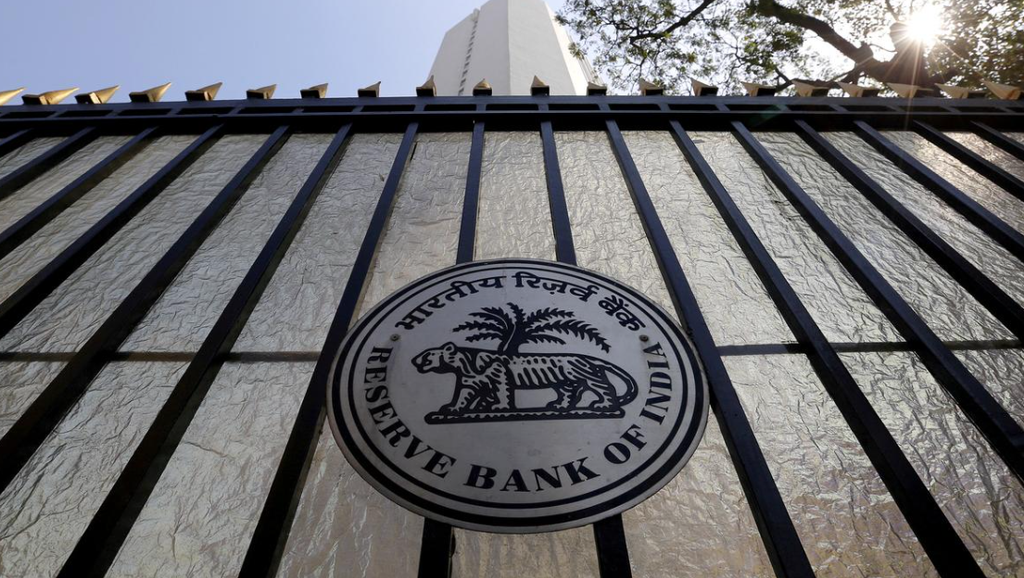
New Delhi, October 7, 2026 — The Reserve Bank of India (RBI) has officially removed Paytm Payments Bank Limited (PPBL) from the list of scheduled banks following the cancellation of its banking licence over regulatory non-compliance. The decision marks another significant development in the regulatory action against the payments bank, which has faced restrictions from the central bank since 2022.
According to reports published on October 7, the RBI excluded Paytm Payments Bank from the Second Schedule of the Reserve Bank of India Act, 1934. The relevant notification was issued on July 31, 2026, and subsequently published in the Gazette of India in September.
The development follows the RBI’s decision to cancel the bank’s licence in April 2026, citing concerns that its operations were detrimental to the interests of the bank and its depositors. The Delhi High Court subsequently ordered the winding up of Paytm Payments Bank, marking a further step in the closure process.
Why Did RBI Remove Paytm Payments Bank from the Scheduled Banks List?
The RBI’s decision to remove Paytm Payments Bank from the scheduled banks list follows a series of regulatory actions concerning the institution’s compliance with banking regulations.
A scheduled bank is a bank included in the Second Schedule of the RBI Act, 1934. Inclusion in this schedule allows qualifying banks to access certain facilities and privileges under the central bank’s regulatory framework.
Following the cancellation of its banking licence, Paytm Payments Bank no longer qualified to remain on the list of scheduled banks.
The RBI’s action reflects its broader responsibility to maintain regulatory standards, protect depositors and ensure that banking institutions comply with applicable requirements.
The removal from the scheduled banks list is therefore part of a wider regulatory process rather than an isolated administrative change.
RBI’s Regulatory Action Against Paytm Payments Bank: A Timeline
Paytm Payments Bank has faced increasing regulatory scrutiny over several years. The key developments include:
- March 2022: The RBI barred Paytm Payments Bank from onboarding new customers, citing supervisory concerns.
- January 2024: The central bank announced additional restrictions on the bank’s operations, including limitations on deposits and credits.
- February 2024: The RBI extended certain restrictions and clarified arrangements for customers to withdraw or use their available balances.
- April 2026: The RBI cancelled Paytm Payments Bank’s banking licence, citing regulatory non-compliance and concerns regarding depositor interests.
- July 2026: The RBI issued the notification removing PPBL from the Second Schedule of the RBI Act.
- September 2026: The notification was published in the Gazette of India.
- October 7, 2026: The removal from the scheduled banks list was reported publicly.
This timeline highlights the progression from operational restrictions to licence cancellation and the subsequent winding-up process.
What Does the Removal Mean for Paytm Payments Bank?
The removal of Paytm Payments Bank from the scheduled banks list has important regulatory implications.
First, the institution is no longer recognised as a scheduled bank under the Second Schedule of the RBI Act. This affects its status within India’s banking regulatory framework and the privileges associated with scheduled-bank classification.
Second, the decision follows the cancellation of the bank’s licence, meaning PPBL cannot continue operating as a licensed bank under its former authorisation. The subsequent winding-up process represents a further stage in resolving the institution’s affairs.
The development also underscores the importance of regulatory compliance for financial institutions operating in India’s rapidly expanding digital payments sector.
However, it is important to distinguish Paytm Payments Bank from Paytm’s broader digital payments business. The regulatory action concerns Paytm Payments Bank Limited specifically and does not, by itself, mean that every service associated with the Paytm brand has been shut down.
Customers should consult official Paytm communications and relevant regulatory notices to understand the status of specific services and any applicable arrangements.
How Could the Decision Affect Customers?
The regulatory developments may raise questions among existing customers about their balances, account access and previously available banking services.
The RBI’s earlier directions in 2024 allowed customers to withdraw or use available balances, subject to the applicable restrictions and exceptions. However, the bank’s subsequent licence cancellation and winding-up proceedings mean customers should rely on the latest official instructions for information about their individual accounts.
Customers should consider the following steps:
- Check official notices issued by the RBI and the appointed liquidator.
- Review the latest instructions regarding deposits, account balances and claims.
- Use verified communication channels when seeking assistance.
- Avoid relying on unverified social media posts or unofficial messages concerning account access.
The latest removal from the scheduled banks list should be understood in the context of the wider closure process rather than as a standalone announcement about every customer account.
What Is the Significance for India’s Digital Banking Sector?
The RBI’s action against Paytm Payments Bank highlights the importance of compliance, governance and risk management in India’s digital financial services industry.
Digital payments have expanded rapidly across the country, making regulatory oversight increasingly important for protecting consumers and maintaining confidence in the financial system.
For fintech companies and payments providers, the case reinforces the need to maintain strong internal controls, meet regulatory obligations and address supervisory concerns promptly.
It also illustrates the distinction between a digital payments platform and a licensed banking institution. While both may serve consumers through digital channels, they operate under different regulatory arrangements and may have different permissions.
The outcome of the Paytm Payments Bank case could therefore remain relevant to discussions about financial technology regulation, customer protection and accountability in India’s banking sector.
The RBI’s decision to remove Paytm Payments Bank from the scheduled banks list follows the cancellation of its banking licence and the subsequent winding-up proceedings ordered by the Delhi High Court.
The development marks another stage in the regulatory action against PPBL after several years of restrictions and compliance concerns.
For customers, the immediate priority is to follow official guidance regarding account balances and outstanding matters. For the wider financial sector, the case serves as a reminder that regulatory compliance and depositor protection remain central to the operation of India’s banking system.
As the winding-up process progresses, further official updates will be important in clarifying the resolution of the bank’s remaining affairs.






































































































































