

 0
 0
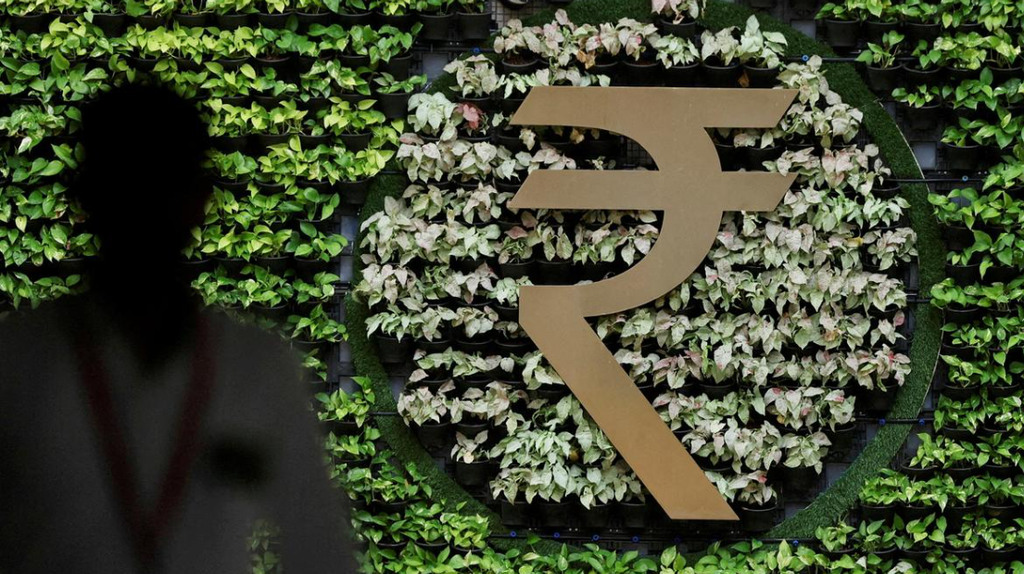
At the interbank foreign exchange market, the rupee opened at 95.53 against the US dollar and moved within a range of 94.96 to 95.53 during the trading session. It eventually settled at 95.38, marking a gain of 40 paise from its previous close of 95.78.
The latest appreciation extended the Indian currency’s recovery over three consecutive trading sessions. According to market reports, the rupee gained approximately 150 paise during this period, reflecting improving short-term sentiment in the foreign exchange market.
The recovery comes after a period of pressure on the domestic currency, driven by external economic uncertainties, elevated oil prices, and capital outflows. The recent gains suggest that policy intervention and changing market conditions have helped ease some of the immediate pressure on the rupee.
RBI Measures Support the Rupee’s Recovery
The Reserve Bank of India has introduced several measures to reduce excessive volatility in the foreign exchange market and ease pressure on the domestic currency.
One key initiative is a dedicated dollar facility for oil marketing companies through designated banks. The arrangement is intended to redirect some oil-related dollar purchases away from the regular spot market, potentially reducing immediate demand for the US currency.
The RBI has also tightened certain foreign exchange derivative rules and increased the cost of selected hedging transactions. These steps aim to discourage excessive speculative positioning and improve stability in currency trading.
By influencing the demand for dollars and the structure of foreign exchange transactions, these measures may provide short-term support to the rupee. However, their lasting effectiveness will depend on broader economic conditions, including import demand, foreign investment flows, and global currency movements.
Lower Crude Oil Prices and a Weaker Dollar Provide Additional Support
Developments in global commodity and currency markets also contributed to the rupee’s gains.
Brent crude futures were trading approximately 1.93% lower at $104.59 per barrel during the session, while the US dollar index declined around 0.26% to 102.32, according to the reported market data. These movements offered additional support to the Indian currency.
Lower oil prices can benefit India because the country relies heavily on imported crude oil to meet its energy requirements. When oil prices decline, the dollar expenditure required to purchase energy imports may also decrease, potentially easing pressure on India’s external balance.
Similarly, a weaker US dollar can support emerging-market currencies by reducing the relative strength of the greenback in international markets. The impact, however, depends on broader investor sentiment, interest-rate expectations, and capital flows.
Indian Stock Markets Rally Alongside the Rupee
The recovery in the rupee coincided with a strong performance in the domestic equity market.
The BSE Sensex surged 1,109.10 points to close at 73,033.78, while the NSE Nifty 50 gained 358.60 points to settle at 22,721.95.
A stronger equity market can improve investor confidence and support demand for domestic assets. Nevertheless, currency movements and stock-market performance do not always move together, as foreign investors may respond differently to changes in valuations, interest rates, and global risks.
Foreign institutional investors remained a factor to watch. Exchange data cited in the market report showed net equity outflows of ₹1,708.48 crore on Monday. Continued foreign investment outflows could limit the rupee’s recovery if they generate sustained demand for dollars.
What the Rupee’s Appreciation Means for the Indian Economy
A stronger rupee can offer several benefits to the Indian economy, particularly by reducing the domestic-currency cost of imported goods when other factors remain unchanged.
Import-dependent industries, including energy, electronics, and certain manufacturing sectors, may benefit from a more favourable exchange rate. Lower import costs can also help reduce some inflationary pressures, although the final impact depends on international prices, taxes, and how businesses pass savings on to consumers.
However, a stronger rupee can create challenges for exporters because overseas earnings may translate into fewer rupees. The effect varies by industry, pricing power, and the extent to which companies hedge their foreign exchange exposure.
For investors and businesses, the key issue is whether the recent appreciation reflects a sustainable improvement in underlying economic conditions or a temporary adjustment driven by central-bank measures and short-term market positioning.
Rupee Outlook: Can the Recovery Continue?
Market analysts identified 95.00 as an important support level for the rupee against the US dollar. A sustained move below that level could open the way toward 94.50, although such a move is not guaranteed.
The currency’s near-term direction will depend on several factors, including further RBI action, international oil prices, the strength of the US dollar, and foreign portfolio investment flows.
If oil prices remain lower and dollar demand in the spot market declines, the rupee could receive additional support. On the other hand, renewed geopolitical uncertainty, rising energy costs, or persistent capital outflows could reverse some of the recent gains.
Investors should therefore distinguish between a short-term currency rebound and a lasting improvement in India’s external economic position.
The Indian rupee’s 40-paise gain to close at 95.38 against the US dollar marks its third consecutive session of appreciation and signals a recovery in short-term market sentiment.
Support from RBI measures, lower crude oil prices, and a softer US dollar helped the currency strengthen. At the same time, foreign investment flows and broader global economic conditions remain important risks.
Going forward, the sustainability of the rupee’s recovery will depend on whether these supportive factors continue and whether policy measures can reduce excessive volatility without creating significant disruptions in the foreign exchange market.






































































































































