

 0
 0
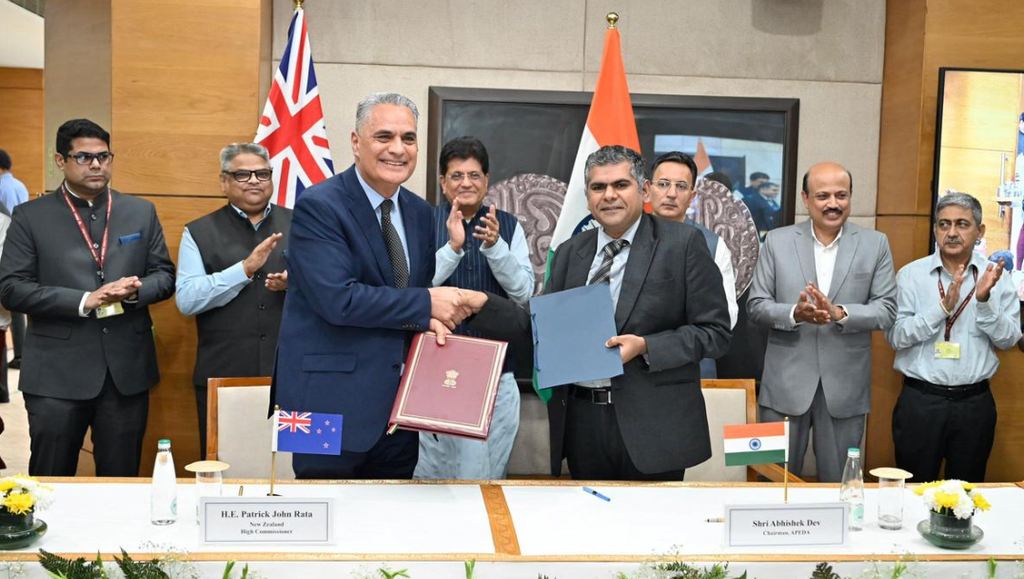
India-New Zealand FTA 2026: The India-New Zealand Free Trade Agreement (FTA) officially came into force on October 20, 2026, opening new opportunities for Indian exporters, skilled professionals, students, and businesses. The landmark trade deal provides zero-duty access for 100% of Indian exports to New Zealand and introduces new visa pathways for eligible Indian workers and graduates.
The agreement is expected to strengthen bilateral trade, encourage investment, and expand economic cooperation between the two countries.
India-New Zealand FTA Takes Effect on October 20, 2026
The India-New Zealand Free Trade Agreement entered into force following the completion of the necessary approval processes in both countries. Signed on April 27, 2026, the agreement represents a significant step toward building stronger trade and investment relations.
One of the most important benefits is New Zealand’s decision to eliminate import tariffs on all Indian goods covered by the agreement. This move is expected to improve the competitiveness of Indian products in the New Zealand market and create new opportunities for exporters, including small and medium-sized enterprises.
The two countries have also outlined an ambitious objective to increase bilateral trade in goods and services to NZ$7 billion by 2030.
Zero-Duty Access for 100% of Indian Exports
A key highlight of the India-New Zealand FTA is the introduction of zero-duty access for all Indian exports to New Zealand from the agreement’s effective date, subject to applicable rules of origin and customs requirements.
Several Indian industries are expected to benefit from the removal of import tariffs, including:
- Textiles and garments: Indian clothing manufacturers could become more competitive in the New Zealand market.
- Leather and footwear: Lower tariff barriers may create opportunities for manufacturers and exporters.
- Gems and jewellery: Exporters could benefit from improved market access and pricing flexibility.
- Engineering goods and automotive components: Manufacturers may find new opportunities to expand their international customer base.
- Processed foods and agricultural products: Eligible exporters could benefit from improved access to New Zealand consumers.
- Pharmaceuticals: Changes to regulatory cooperation and the recognition of certain overseas inspection approvals could help eligible Indian pharmaceutical products enter the market more efficiently.
By eliminating tariffs that previously reached up to 10% on certain products, the agreement may help Indian businesses offer more competitive prices or improve their profit margins.
However, zero-duty access does not automatically remove every trade barrier. Exporters must still comply with relevant rules of origin, product standards, documentation requirements, and customs procedures.
New Zealand Introduces New Visa Categories for Indians
Beyond trade, the agreement introduces new mobility opportunities for eligible Indian professionals and students seeking to work or study in New Zealand.
Two new Temporary Employment Entry (TEE) visa pathways are available from October 20, 2026. These pathways cover highly skilled occupations and a limited number of professions associated with India.
The key features include:
- Up to 5,000 visa holders at a time: The new TEE pathways provide a dedicated allocation for eligible Indian professionals in New Zealand.
- Three-year visa validity: Eligible applicants may receive a TEE visa valid for up to three years.
- Employment and qualification requirements: Applicants must meet applicable immigration criteria, including a qualifying job offer from an accredited employer, relevant qualifications, English-language requirements, and health and character checks.
- Expanded post-study work opportunities: From November 16, 2026, eligible Indian graduates with New Zealand PhDs can qualify for post-study work visas of up to four years.
The agreement also provides for a new working holiday scheme for Indian nationals aged 18 to 30. The scheme is to be introduced within two years of the agreement entering into force, with up to 1,000 places annually and stays of up to 12 months for successful applicants.
These provisions could strengthen professional mobility, support skills development, and deepen people-to-people connections between India and New Zealand. They do not, however, guarantee a visa or permanent residence.
What Does the FTA Mean for New Zealand?
The agreement also creates new opportunities for New Zealand exporters seeking access to India’s large consumer market.
From the first day of implementation, approximately 57% of New Zealand’s exports to India become eligible for tariff-free entry. Coverage is expected to increase to 82% over time, while tariffs on approximately 95% of New Zealand’s current exports to India will eventually be eliminated or reduced.
Key beneficiaries include exporters of sheep meat, wool, coal, and forestry products. New Zealand businesses may also gain opportunities in sectors such as food, agriculture, and other goods covered by the agreement’s tariff concessions.
India has retained protections for sensitive sectors, including dairy and selected agricultural products. This approach aims to expand international trade while safeguarding important domestic industries.
Investment and Bilateral Trade Opportunities
The India-New Zealand FTA is designed to strengthen economic ties beyond the exchange of goods. New Zealand has committed to facilitating US$20 billion in investment into India over 15 years.
If delivered, this investment could support opportunities in manufacturing, agriculture, infrastructure, and startups. Businesses in both countries may also benefit from stronger commercial partnerships, improved market access, and greater cooperation in services.
The agreement’s long-term success will depend on how effectively businesses use its provisions, how investment commitments are implemented, and whether exporters can meet the relevant market-entry requirements.
Challenges and What Businesses Should Know
Despite the benefits, the FTA will not automatically guarantee higher exports or lower consumer prices.
Businesses should evaluate product-specific tariff schedules, verify rules of origin, prepare the required certificates and customs documents, and check applicable technical and regulatory standards before shipping goods.
Indian professionals and students should separately review New Zealand’s official immigration requirements to determine whether they qualify for a particular visa pathway.
Companies should also account for freight costs, exchange-rate movements, distribution expenses, and market demand when assessing the commercial benefits of the agreement.
The India-New Zealand Free Trade Agreement, effective October 20, 2026, marks an important development in bilateral economic relations. Zero-duty access for Indian exports, new visa pathways for eligible Indian professionals, expanded opportunities for graduates, and stronger investment cooperation could create significant opportunities for businesses and individuals.
As implementation progresses, the agreement could help diversify export markets, encourage investment, and strengthen economic cooperation between the two countries. Its actual impact will depend on business participation, compliance with trade rules, and the effective use of the new mobility provisions.






































































































































