0
0
 0
0
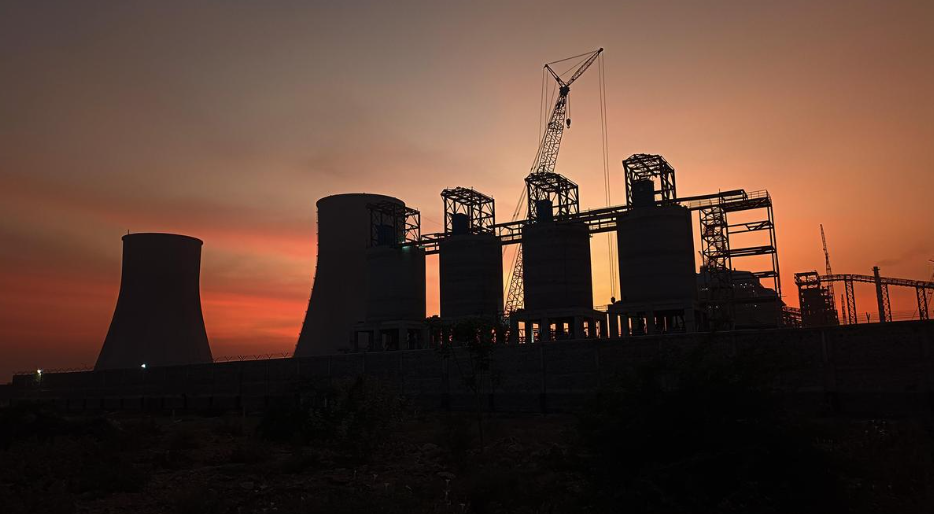
India’s coal supply network to the power sector has shown a significant improvement, with coal rake loading rising by around 20% in four days as the government steps up efforts to strengthen fuel stocks at thermal power plants.
According to the Ministry of Coal, rake loading to the power sector increased from 370 rakes per day on September 3, 2026, to 444 rakes on September 6. The improvement comes as authorities closely monitor thermal power plants facing critically low coal inventories and introduce corrective supply measures.
Coal Rake Loading Rises Steadily
The latest figures show a consistent improvement in coal movement toward power-generating units.
- September 3: 370 rakes per day
- September 4: 387 rakes per day
- September 5: 413 rakes per day
- September 6: 444 rakes per day
The increase represents an additional 74 rakes per day, or approximately 20%, over four days. The September 6 figure alone marked an increase of 31 rakes compared with the previous day.
The government said the improvement reflects coordinated efforts by Coal India Limited (CIL), its subsidiaries, Singareni Collieries Company Limited (SCCL), and captive coal mine operators to increase supplies to the power sector.
Critical Thermal Plants Remain Under Close Watch
The increase in rake loading comes against concerns over coal stocks at some thermal power plants.
The Ministry of Coal defines critical plants in this context as those holding coal stocks below 25% of their normative requirement. Such plants are being monitored closely, with corrective supply measures being implemented to improve their fuel position.
Business Standard reported that the number of thermal power plants with critical coal stocks had risen to 58 on September 5, compared with 45 at the beginning of September. Coal stocks at these plants also declined from 28.6 million tonnes on September 1 to 26.9 million tonnes by September 5.
This situation has made faster coal evacuation and transportation a key priority for the government and coal producers.
MCL Leads the Latest Increase
Among coal-producing companies, Mahanadi Coalfields Limited (MCL) recorded the sharpest single-day improvement on September 6.
MCL’s loading increased by 12 rakes to 111 rakes per day. Captive block loading increased by six rakes to 72, while Bharat Coking Coal Limited (BCCL) recorded an eight-rake increase to 25.
Northern Coalfields Limited (NCL) increased loading by three rakes to 35, while private washeries and goodsheds also rose by three rakes to 42.
Central Coalfields Limited and South Eastern Coalfields Limited recorded smaller increases, reaching 36 and 46 rakes respectively.
Overall, CIL siding loading reached 305 rakes per day on September 6, up 26 rakes from the previous day.
Coal Availability Is Not the Only Challenge
The latest developments highlight an important distinction in India’s coal supply chain: adequate production at mines does not automatically guarantee sufficient stocks at power plants.
Business Standard reported that Coal India held around 76 million tonnes of coal at its pitheads, suggesting that availability at the production end remained relatively strong. The immediate challenge has increasingly involved moving coal efficiently from mines to power-generating stations.
To further support supplies, CIL has also offered power plants with Fuel Supply Agreements the option to lift additional coal through road transportation, including quantities above their applicable Annual Contracted Quantity, alongside existing rail-based movement.
CIL Boosts Supplies to the Power Sector
Coal India has also recorded stronger supplies to India’s power sector.
During August 2026, CIL supplied 48.46 million tonnes of coal to the power sector, representing a 4.5% increase compared with August 2025. Its overall coal supplies reached 60.60 million tonnes, up 5.5% year-on-year.
The company’s average daily dispatch to the power sector also improved to around 1.5 million tonnes on September 4, compared with approximately 1.35 million tonnes during the first three days of September.
These figures indicate that the government is attempting to address the stock situation through multiple channels rather than relying solely on increased mining output.
Why Higher Rake Loading Matters
Rail-based coal transportation remains crucial for India’s thermal power sector because large power plants require continuous fuel supplies to maintain electricity generation.
A sustained increase in rake loading can help:
- Rebuild coal stocks at thermal power plants
- Reduce the number of plants in the critical-stock category
- Improve fuel security ahead of periods of high electricity demand
- Reduce pressure on emergency coal transportation
- Ensure more stable thermal power generation
The latest four-day increase is therefore important not simply because of the 20% rise itself, but because it shows that coal movement can be accelerated when mining companies, rail logistics and power-sector authorities coordinate closely.
Government Focus Shifts Toward Sustaining the Improvement
The immediate priority for the Ministry of Coal and CIL is to maintain the higher level of rake loading rather than treat the latest increase as a temporary improvement.
The ministry has said that corrective measures are already in place for thermal power plants with low stocks. Continued monitoring will be particularly important for plants that remain below 25% of their normative coal requirement.
For India’s electricity sector, maintaining a reliable coal supply chain is essential because thermal generation continues to play a major role in meeting the country’s power demand.
Outlook for India’s Thermal Power Sector
The rise in coal rake loading provides some relief to India’s thermal power sector, but the situation still requires close monitoring.
The increase from 370 to 444 rakes per day demonstrates that supply logistics are improving. However, the presence of dozens of thermal plants with critical stock levels means that the government will need to maintain the momentum in coal dispatch and transportation.
If higher rake loading continues in the coming days, it could help thermal power plants rebuild inventories and create a stronger buffer against future supply disruptions.
For now, the government’s strategy is clear: increase coal movement, prioritize plants with critical stocks and strengthen fuel availability at thermal power stations.
India’s decision to accelerate coal rake loading is aimed at strengthening coal stocks at thermal power plants and reducing supply pressure across the electricity sector.
With rake loading reaching 444 per day on September 6, up about 20% from September 3, the latest data points to a meaningful improvement in coal logistics.
The key challenge now will be sustaining this momentum. Higher production, faster rail movement and targeted supplies to critical plants will be essential to ensure that India’s thermal power stations have adequate fuel to support reliable electricity generation.