0
0
 0
0
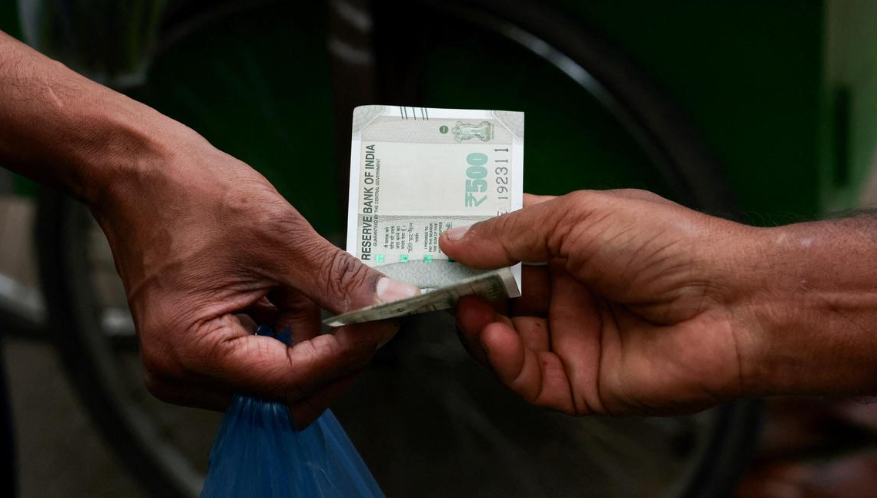
The Indian rupee strengthened by 9 paise to 95.65 against the U.S. dollar in early trade on Friday, August 21, 2026, helped by weakness in the American currency in overseas markets. However, elevated crude oil prices and geopolitical uncertainty continued to limit the domestic currency’s gains.
The rupee opened at 95.69 against the U.S. dollar at the interbank foreign exchange market before improving to 95.65. The move followed a marginal decline in the rupee on the previous trading day, when it settled 1 paisa lower at 95.74 per dollar.
Rupee Gains as U.S. Dollar Weakens
The primary support for the Indian rupee came from a softer U.S. dollar in global markets.
The dollar index, which measures the greenback against a basket of six major currencies, was trading 0.15% lower at 98.74, its lowest level since May. A weaker dollar generally provides some relief to emerging-market currencies, including the Indian rupee.
The latest movement therefore reflects a combination of global currency trends and domestic market factors rather than a major shift in the rupee’s underlying outlook.
High Crude Oil Prices Remain a Challenge
Despite the weaker dollar, elevated crude oil prices remain a significant concern for India.
Brent crude was trading around $93.56 per barrel in futures markets during early trade. Higher oil prices can put pressure on India’s import bill because the country relies heavily on imported crude to meet its energy requirements.
Forex traders therefore remain cautious about interpreting the latest rupee appreciation as a sustained reversal in the currency’s recent trend.
Analysts noted that oil prices, geopolitical uncertainty and reduced foreign participation in Indian markets could continue to offset some of the benefits from a weaker dollar.
RBI Expects Strong Foreign Currency Inflows
Another factor supporting sentiment around the rupee is the expected increase in foreign currency inflows.
Reserve Bank of India Governor Sanjay Malhotra has indicated that the central bank expects at least $80 billion in foreign currency inflows from measures announced earlier in 2026 to attract dollars into India.
According to comments cited by forex advisers, approximately $56.85 billion had already been mobilised, including around $52.3 billion through FCNR(B) deposits.
The expected inflows could provide additional support for India’s foreign-exchange market. However, market participants remain cautious because the inflows have so far not generated a dramatic appreciation in the rupee.
Why the Rupee Is Still Under Pressure
The rupee’s latest gain should be viewed in the context of several competing forces.
On one side, a weaker U.S. dollar and anticipated foreign currency inflows are helping the Indian currency. On the other, high crude oil prices, geopolitical risks and foreign investor flows are creating pressure.
This means that even when the dollar weakens, the rupee may not necessarily experience a sharp or sustained recovery.
The global energy market is particularly important for India. Higher crude prices increase the cost of imports and can increase demand for dollars from Indian importers, potentially putting additional pressure on the rupee.
Foreign Investor Flows Remain Important
Foreign portfolio investment is another factor that traders are watching closely.
Exchange data showed that foreign institutional investors sold Indian equities worth ₹583.36 crore on a net basis on Thursday. Such outflows can influence demand for U.S. dollars as investors convert rupees into foreign currency when moving funds out of Indian assets.
As a result, sustained foreign inflows into Indian equities and debt markets could become an important factor for the rupee in the coming sessions.
Indian Stock Market Opens Slightly Lower
The rupee’s gains came even as Indian equity markets opened slightly weaker on Friday.
The Sensex declined 25.97 points to 77,506.51, while the Nifty fell 5.75 points to 24,223.10 in early trade.
The mixed performance highlights the different factors influencing India’s financial markets. While the weaker dollar supported the rupee, concerns over crude prices and geopolitical developments continued to weigh on broader sentiment.
What Does the Rupee’s Move Mean for the Indian Economy?
A stronger rupee can provide some relief for businesses and consumers that rely on imported goods, particularly when global commodity prices are elevated.
A stronger domestic currency can reduce the rupee cost of imports such as crude oil, machinery and certain raw materials. However, exporters may face challenges when overseas earnings are converted back into rupees.
For the broader economy, the ideal scenario is not necessarily a rapidly appreciating rupee but a relatively stable currency that reflects underlying economic conditions.
Outlook for the Indian Rupee
The rupee’s move to 95.65 per U.S. dollar represents a modest improvement, but traders are likely to remain focused on global dollar movements, crude oil prices, geopolitical developments and foreign investment flows.
The expected foreign currency inflows could provide a cushion, but elevated oil prices remain a major counterweight.
For now, the rupee’s early gains indicate that weakness in the U.S. dollar can provide short-term relief. Whether that develops into a stronger trend will depend on how the competing domestic and global factors evolve.
The Indian rupee gained 9 paise to 95.65 against the U.S. dollar in early trade on August 21, 2026, supported mainly by weakness in the American currency.
However, the move remains relatively modest. Elevated crude oil prices, geopolitical uncertainty and foreign investor flows continue to create challenges for the Indian currency.
With the RBI expecting substantial foreign currency inflows, the rupee has potential support from the domestic side. But traders will likely continue monitoring the dollar and oil markets closely before concluding that the currency has entered a sustained recovery phase.