

 0
 0
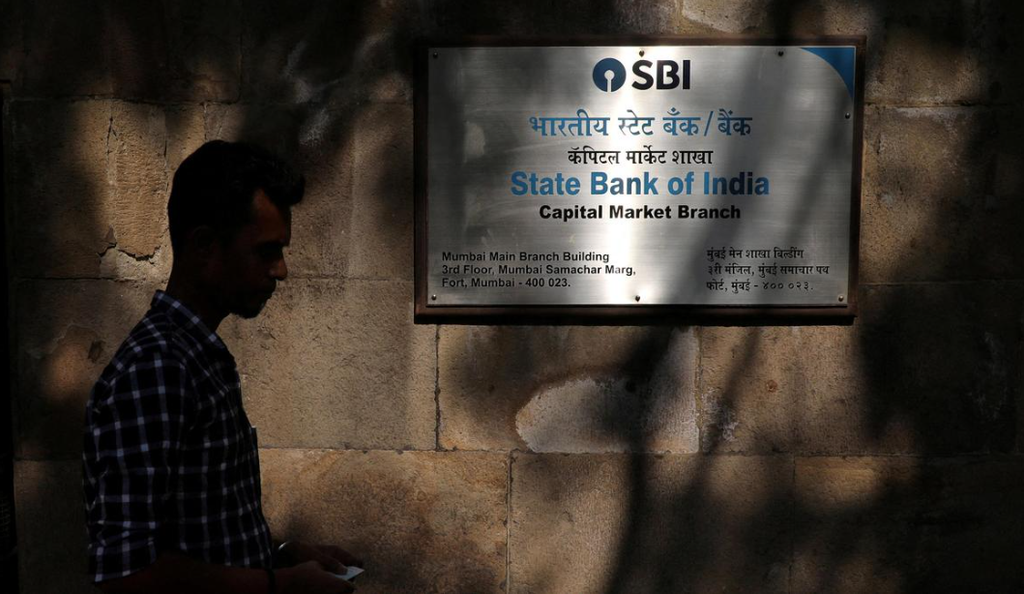
New Delhi, October 21, 2026 — State Bank of India (SBI), the country’s largest public sector lender, has launched an investigation into the suspected exposure of nearly 3,900 customer records on the dark web, raising fresh concerns about data privacy and cybersecurity risks in India’s banking sector.
According to reports, SBI identified 3,897 customer records containing personally identifiable information (PII) during a preliminary review of approximately 375,000 records discovered on the dark web. The bank received alerts about the suspected data exposure on October 16 from its threat intelligence service provider, the Defence Cyber Agency, and the Indian Computer Emergency Response Team
The incident has prompted the lender to activate its cybersecurity response procedures and appoint an independent cybersecurity agency empanelled with CERT-In to determine the nature, source, and potential impact of the suspected data breach.
SBI Data Breach: What Customer Information Was Exposed?
The preliminary investigation identified customer records containing several categories of personal information. The reported data includes names, registered mobile numbers, dates of birth, gender, email addresses, residential addresses, branch details, Customer Information File (CIF) identifiers, lead IDs, and metadata associated with loan and lead records.
Such information is sensitive because it can potentially be used in targeted phishing campaigns, identity impersonation, and fraudulent communications designed to deceive banking customers.
However, the preliminary findings do not establish that every record found online is authentic or complete. SBI’s investigation is intended to verify the exposed information and determine the extent of the suspected compromise.
The bank has not publicly established the precise source of the exposure or explained how the records became available on the dark web. These questions remain central to the ongoing cybersecurity assessment.
SBI Launches Cybersecurity Investigation
SBI said it received alerts from multiple cybersecurity-related organisations on October 16, 2026, regarding the suspected availability of customer information on the dark web.
Following the alerts, the bank activated its cyber incident response and containment protocols. It also engaged an independent cybersecurity agency empanelled with CERT-In to conduct a comprehensive assessment of the incident.
The investigation is expected to address several important questions, including:
- Data authenticity: Whether the exposed records genuinely belong to SBI customers.
- Source identification: How the information became available online and where the exposure originated.
- Scope assessment: Whether additional customer records or related systems may be affected.
- Customer risk evaluation: What risks the exposed information could create for affected customers.
- Remedial action: What additional security measures are necessary to prevent similar incidents.
The findings will help establish the actual scale of the suspected data breach and determine whether further corrective or preventive measures are required.
SBI Says Core Banking Operations Remain Unaffected
Despite the suspected data exposure, SBI stated that the incident had no material impact on its core business operations, financial performance, or business continuity. The bank’s core business functions continued to operate normally, according to its disclosure.
This distinction is important because the exposure of customer information does not automatically mean that banking systems have been disrupted or that customer funds have been stolen.
Nevertheless, the availability of personal information online can create secondary risks. Cybercriminals may combine exposed details with publicly available information to create convincing messages that appear to come from a bank, financial institution, or legitimate service provider.
Customers should therefore remain alert to suspicious communications while SBI continues its investigation.
Why Dark Web Data Exposure Is a Serious Cybersecurity Concern
The dark web is a part of the internet that generally requires specialised software or configurations to access. Although it has legitimate uses, certain marketplaces and forums are used to distribute stolen credentials, personal information, and other data obtained through unauthorised access.
When banking-related customer information appears in these environments, the potential consequences can extend beyond the initial exposure.
1. Increased Risk of Phishing Attacks
Cybercriminals may use a customer’s name, mobile number, email address, or other personal details to create targeted messages. These communications can imitate bank notifications, account verification requests, loan updates, or security alerts.
Because the messages contain genuine-looking personal information, recipients may be more likely to trust them.
2. Identity Impersonation and Fraud
Exposed personal details may be used in attempts to impersonate customers or support fraudulent applications and social engineering schemes. The actual risk depends on the accuracy of the information and whether other sensitive credentials have also been compromised.
3. Targeted Banking Scams
Information related to loan applications or customer records could help fraudsters tailor their approach to individuals who have interacted with financial services.
Customers should independently verify unexpected requests involving payments, account access, loans, or identity documents rather than relying on contact details supplied in a suspicious message.
4. Long-Term Data Privacy Risks
Unlike a password, many personal details cannot easily be changed. Names, dates of birth, and residential information may remain useful to fraudsters long after an initial data exposure.
This makes incident investigation, customer awareness, and appropriate security controls important parts of the response.
What SBI Customers Should Do to Protect Their Accounts
While the investigation continues, customers can take practical steps to reduce the risk of fraud and unauthorised access.
- Never share OTPs or PINs: Do not disclose one-time passwords, ATM PINs, internet banking passwords, or other authentication credentials to anyone contacting you unexpectedly.
- Verify suspicious messages: Contact SBI through its official website, banking application, branch, or verified customer service channels before acting on an unexpected request.
- Monitor account activity: Review bank statements and transaction alerts for unfamiliar activity.
- Avoid suspicious links: Do not click on links or download attachments from unverified emails, text messages, or messaging-app accounts.
- Use strong authentication: Maintain unique passwords where applicable and enable available security protections.
- Report suspicious transactions promptly: If you notice unauthorised activity, contact the bank immediately and report suspected financial cybercrime through the appropriate official channels.
The reported exposure does not, by itself, prove that customer passwords, OTPs, or banking credentials were compromised. Customers should avoid panic while remaining vigilant against possible phishing and impersonation attempts.
SBI Data Exposure Highlights Growing Banking Cybersecurity Risks
The incident underscores the importance of cybersecurity and data protection across India’s financial services industry. Banks manage large volumes of sensitive customer information, making the protection of databases, digital applications, employee access, and third-party systems a continuing priority.
Threat intelligence, access controls, continuous monitoring, incident response procedures, and independent security assessments can all contribute to reducing the likelihood and impact of data exposure.
The SBI case also highlights the importance of distinguishing between suspected data exposure and confirmed financial fraud. An investigation must establish what information was exposed, how it happened, and whether the incident resulted in unauthorised access to systems or misuse of customer data.
For financial institutions, timely detection and transparent communication are essential to maintaining customer confidence and strengthening operational resilience.
SBI is investigating the suspected dark web exposure of 3,897 customer records identified during a preliminary analysis of approximately 375,000 online records. The reported information includes personal and customer-identification details, as well as metadata associated with loan and lead records.
The bank has activated its cybersecurity response procedures and engaged an independent CERT-In-empanelled agency to assess the incident. SBI has also stated that its core banking operations and business continuity remain unaffected.
As the investigation progresses, the key priorities will be to establish the authenticity and origin of the exposed records, determine the full extent of the incident, and implement any necessary corrective measures.
For customers, the immediate priority is to protect personal information, monitor account activity, and remain alert to phishing attempts and fraudulent communications.
Disclaimer: This article is for informational purposes only and is not intended as financial, legal, or cybersecurity advice.






































































































































