

 0
 0
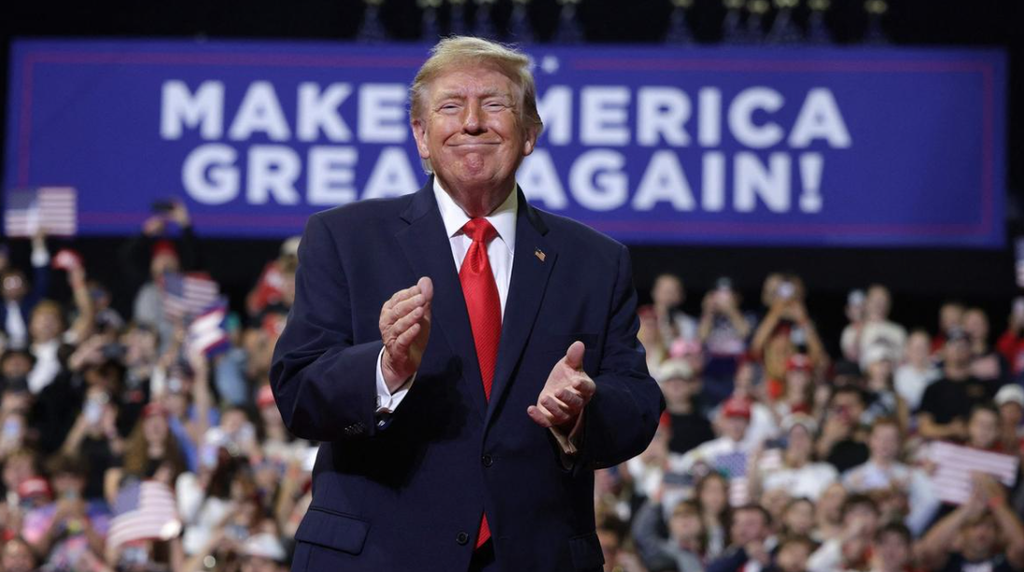
The U.S.–Russia diesel deal has emerged as a significant development in global energy markets, raising important questions about its impact on India. The decision by U.S. President Donald Trump to temporarily ease restrictions on Russian diesel imports highlights the growing importance of fuel affordability, energy security, and geopolitical interests.
The agreement comes at a time when global fuel markets are experiencing supply pressures and several countries are trying to secure reliable energy supplies. For India, one of the world’s largest energy consumers, the deal could influence diesel prices, oil trade, refinery profitability, and relations with the United States.
The key question is whether the U.S.–Russia diesel deal will benefit India or create new challenges for Indian oil refiners and exporters.
What Is the U.S.–Russia Diesel Deal?
The U.S.–Russia diesel deal involves the temporary easing of restrictions on Russian diesel exports to the United States and global markets. According to reports published in October 2026, Trump announced an initial supply of more than 300,000 metric tonnes of diesel, followed by 500,000 tonnes in November and another 1 million tonnes subsequently.
The United States has taken this step amid rising domestic diesel prices, which have increased costs for truckers, farmers, and other businesses. The policy represents an effort to improve fuel availability and reduce price pressures.
However, the expected impact remains uncertain. Russian refining infrastructure has suffered disruptions, and logistical challenges could limit the amount of diesel available for export. Analysts have also questioned whether the proposed supplies will be sufficient to significantly reduce global fuel prices.
Source: Reuters, October 2026, and S&P Global Energy, October 12, 2026.
1. India Could Benefit From Improved Global Diesel Supply
One of the most immediate potential effects of the U.S.–Russia diesel deal is an improvement in global fuel availability.
India depends heavily on imported crude oil to meet its domestic energy requirements. Changes in international oil and refined-fuel markets can influence procurement costs, refinery operations, and the country’s overall energy bill.
If Russian diesel exports increase, additional supplies could help ease pressure on international diesel markets. Greater availability may reduce price volatility and improve the ability of countries to meet fuel demand.
However, the benefits for India are not guaranteed. The announced volumes are limited relative to global consumption, and the actual effect will depend on how much additional diesel Russia can produce and deliver.
Key takeaway: The deal could support India’s energy security indirectly, but a substantial reduction in domestic fuel prices should not be assumed.
2. Indian Oil Refiners May Face Increased Competition
India has a major refining industry that processes crude oil into diesel, petrol, aviation fuel, and other petroleum products. Indian refineries also export refined fuels to international markets.
The return of additional Russian diesel supplies could create more competition for Indian refiners, particularly in markets where buyers have alternative suppliers.
If Russian diesel exports rise significantly, international diesel prices and refining margins could come under pressure. This may reduce the profitability of exporting diesel from India.
Nevertheless, the immediate impact is likely to depend on the volume of Russian exports. Reporting by Indian business publications suggests that the initial resumption of Russian supplies may not be large enough to cause a major disruption to India’s diesel exports.
Indian refiners could continue to benefit from their established infrastructure, operational flexibility, and access to international customers.
3. India’s Diesel Exports Could Face Market Pressure
India is an important exporter of refined petroleum products. Its refineries supply international markets, including countries in Europe and Africa.
A rise in Russian diesel exports could change trade flows by increasing the supply available to international buyers. If Russian fuel becomes more competitive, some customers may shift their purchases away from Indian suppliers.
This could affect India’s export volumes, pricing power, and refining margins.
However, the outcome will depend on several factors:
- The volume of diesel Russia can export.
- International demand for refined petroleum products.
- Shipping costs and availability.
- Sanctions and restrictions in destination markets.
- The competitiveness of Indian refinery operations.
If Russian supplies remain constrained, Indian refiners may continue to find opportunities in international markets.
Therefore, the U.S.–Russia diesel deal presents a potential competitive challenge rather than an immediate threat to India’s petroleum export industry.
4. The Deal Raises Questions About U.S. Policy Toward India
One of the most politically significant aspects of the deal is the apparent contrast between Washington’s approach to Russian energy and its pressure on countries purchasing Russian oil.
The United States has previously taken measures aimed at discouraging India’s purchases of Russian energy, including trade-related penalties and discussions of additional tariffs on major buyers.
The temporary easing of restrictions on Russian diesel imports by the United States raises questions about how consistently these policies will be applied.
For India, the development could strengthen the argument that energy trade decisions should reflect national interests, market conditions, and energy-security requirements.
However, the U.S. decision does not automatically exempt Indian companies from existing restrictions or guarantee that Washington will change its approach to Indian imports of Russian crude oil.
India will still need to assess the legal, commercial, and diplomatic implications of its energy purchases.
Key takeaway: The deal could give India additional diplomatic leverage, but it does not eliminate the risk of future trade disputes with the United States.
5. India’s Energy Security Remains the Central Issue
Energy security is a major concern for India because the country relies heavily on imported crude oil.
Disruptions in global energy supplies can increase import costs, create inflationary pressure, and affect industries that depend on transportation and fuel.
The U.S.–Russia diesel deal highlights the complexity of managing energy security in a world where geopolitical tensions and commercial interests frequently overlap.
For India, maintaining access to affordable and reliable energy supplies requires a balanced strategy. This includes diversifying crude oil sources, maintaining strategic reserves, improving refinery efficiency, and expanding renewable energy capacity.
India must also evaluate the commercial advantages of discounted oil against potential sanctions risks and diplomatic consequences.
Rather than relying on a single supplier or policy direction, a diversified energy strategy can help reduce vulnerability to international market shocks.
6. Will the U.S.–Russia Diesel Deal Reduce Fuel Prices in India?
The impact on Indian fuel prices is uncertain.
Additional Russian diesel supplies could ease international market pressures if they materially increase the global availability of refined fuel. However, the proposed shipments are not necessarily large enough to produce a significant change in international prices.
Furthermore, retail fuel prices in India depend on several factors, including crude oil prices, exchange rates, refining and distribution costs, taxes, and government pricing decisions.
Even if international diesel prices decline, the savings may not immediately translate into lower prices at Indian fuel stations.
The effect will depend on the scale and duration of additional Russian exports, movements in global crude oil markets, and domestic pricing conditions.
Consequently, Indian consumers should not expect an automatic reduction in petrol or diesel prices simply because the United States has agreed to receive Russian diesel.
7. What Does the Deal Mean for India in the Long Term?
The long-term implications extend beyond fuel prices and export competition.
First, the agreement demonstrates how domestic economic pressures can influence international energy policies. Even countries seeking to restrict Russian energy revenues may reconsider their approach when fuel costs become a major economic concern.
Second, India may gain greater flexibility in explaining its energy-import decisions. The deal highlights the importance of affordable energy supplies to economic growth and industrial competitiveness.
Third, Indian refiners will need to monitor changes in global fuel trade. A sustained increase in Russian diesel exports could require adjustments to export destinations, pricing strategies, and refinery operations.
Finally, India must continue balancing its relationships with Russia and the United States. Both countries are important to India’s broader strategic and economic interests, making a flexible and pragmatic foreign policy essential.
The long-term outcome will depend on the implementation of the U.S. measures, Russia’s ability to restore refining capacity, international demand, and the evolution of trade and sanctions policies.
Conclusion: Is the U.S.–Russia Diesel Deal Good or Bad for India?
The U.S.–Russia diesel deal presents both opportunities and risks for India.
On the positive side, additional Russian diesel supplies could help ease global fuel shortages, support energy-market stability, and strengthen India’s argument for pursuing energy policies based on national interests.
On the negative side, increased Russian diesel exports could put pressure on Indian refiners, intensify competition in export markets, and complicate India’s trade and diplomatic relationship with the United States.
The immediate impact is likely to depend on the actual volume of Russian diesel reaching international markets. The announced agreement alone does not guarantee lower fuel prices in India or a significant disruption to Indian exports.
Ultimately, the deal reinforces an important lesson: India’s energy security depends not only on the price of oil but also on diversified supplies, competitive refining capacity, and the ability to navigate an increasingly complicated geopolitical environment.
In short, the U.S.–Russia diesel deal could offer India limited strategic and economic advantages, but its overall impact will depend on global supply conditions, refinery competition, and future U.S.–India relations.
Frequently Asked Questions (FAQs)
1. What is the U.S.–Russia diesel deal?
The deal involves the temporary easing of restrictions on Russian diesel imports into the United States, alongside an announced plan for Russia to supply diesel to U.S. and global markets.
2. How does the U.S.–Russia diesel deal impact India?
It could affect India’s energy security, international diesel prices, refinery profitability, petroleum exports, and diplomatic relations with the United States.
3. Will the deal reduce diesel prices in India?
Not necessarily. Additional global supplies could ease market pressures, but Indian retail fuel prices also depend on taxes, exchange rates, distribution costs, and domestic pricing decisions.
4. Will Indian oil refiners lose business because of Russian diesel exports?
They could face increased competition if Russian exports rise significantly. However, the actual impact will depend on export volumes, international demand, shipping costs, and market conditions.
5. Why is the deal important for India–U.S. relations?
The deal raises questions about the consistency of U.S. policies toward Russian energy trade, particularly given previous American pressure on India to limit purchases of Russian oil.
6. What is the biggest long-term concern for India?
The main challenge is balancing affordable energy imports and competitive petroleum exports with geopolitical risks and the need to maintain strong relationships with major international partners.






































































































































