

 0
 0
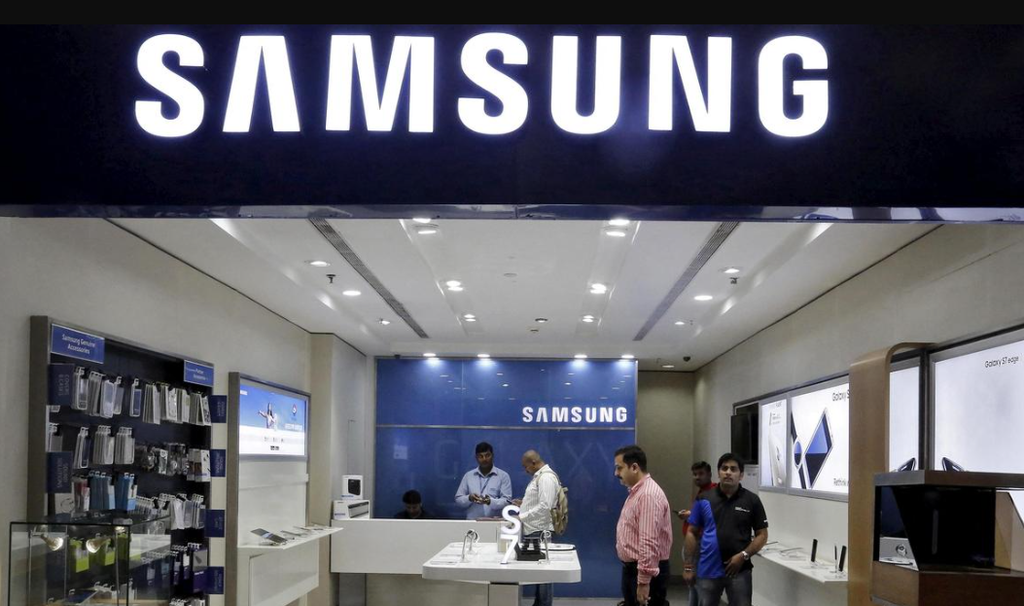
Samsung India Electronics reported a 36% year-on-year decline in consolidated profit to ₹7,228.10 crore in FY26, even as revenue from operations increased marginally. The company’s mobile phone business, its largest revenue contributor, recorded a decline during the financial year ended March 31, 2026.
Samsung India Electronics has reported a sharp decline in profitability for fiscal year 2026, with consolidated profit falling 36% to ₹7,228.10 crore, compared with ₹11,287.50 crore in FY25.
The results were reported through regulatory filings with the Registrar of Companies (RoC), with financial data accessed through business intelligence platform Tofler. Despite the significant decline in profit, Samsung India’s revenue from operations increased 1.2% year on year to approximately ₹1.12 lakh crore in FY26.
Samsung India Mobile Revenue Declines in FY26
Samsung’s mobile phone business remained the company’s biggest contributor to revenue in India. However, revenue from Hand Held Phones (HHP), including mobile phones and accessories, declined 1.35% to ₹81,472.20 crore in FY26 from ₹82,595 crore in FY25.
The decline in mobile revenue comes as Samsung faces strong competition across India’s smartphone market. The company competes with Apple in the premium segment while Chinese smartphone brands including Vivo, Xiaomi, Oppo and Realme remain important competitors in mass-market and affordable categories.
The weaker performance of the mobile business is significant because smartphones account for a substantial portion of Samsung India’s overall revenue. A decline in this segment can therefore have a direct impact on the company’s overall profitability and growth.
Revenue Growth Fails to Translate Into Higher Profit
Samsung India’s financial performance in FY26 highlights a notable difference between revenue growth and profitability.
Revenue from operations increased 1.2%, while consolidated profit declined 36%. The company reported total consolidated income, including other income, of ₹1,14,738.60 crore during FY26.
According to reporting based on the company’s filings, Samsung India’s overall expenses increased during the year. The cost of materials consumed rose 3% to ₹74,513 crore, adding pressure to profitability. Analysts cited by The Economic Times also pointed to higher memory-chip prices and currency-related pressures as factors affecting margins.
This means that Samsung India was able to maintain relatively stable overall revenue, but higher costs and weaker performance in key businesses put significant pressure on the bottom line.
Home Appliances and Consumer Electronics Provide Some Support
Samsung’s performance was not weak across every product category.
Revenue from the company’s Home Appliances business increased 3.52% to ₹12,240.60 crore in FY26, compared with ₹11,823.30 crore in the previous fiscal year.
The company’s audio-visual segment also recorded growth. Revenue from televisions and soundbars increased 8.5% to ₹8,055.90 crore from ₹7,427 crore a year earlier.
These gains indicate that Samsung’s broader consumer-electronics portfolio continued to generate growth even as its mobile-phone business faced pressure.
Domestic Revenue Shows Stronger Performance
Another important feature of Samsung India’s FY26 results is the difference between domestic and overall revenue performance.
Samsung India’s domestic revenue reportedly increased 9.34% to ₹65,873.30 crore, compared with ₹60,243.50 crore in FY25. However, weaker exports and pressure in some major businesses limited the overall growth rate.
Export sales declined 10% to ₹41,219 crore during FY26, according to reporting based on the company’s regulatory filing. Revenue from the telecom network business also fell 12.8% to ₹1,599 crore.
The figures suggest that Samsung India continued to generate demand in the domestic market, but weaker exports and pressure in its core businesses affected its consolidated financial performance.
What Is Behind Samsung India’s Profit Decline?
Several factors appear to have contributed to the decline in Samsung India’s FY26 profit.
First, the company’s largest business, mobile phones and accessories, recorded lower revenue. Second, costs increased during the year, putting pressure on margins. Third, export revenue declined, reducing the contribution from international sales.
The Economic Times reported that rising memory-chip prices and depreciation of the rupee were among the pressures affecting Samsung’s smartphone business and profitability. The company itself did not provide a specific reason for the decline in profit in its directors’ report, according to the report.
The combination of weaker mobile revenue, higher input costs and lower exports helps explain why Samsung India’s revenue remained relatively stable while its profit declined substantially.
Samsung India Faces a More Competitive Smartphone Market
Samsung’s FY26 results also come at a time of intense competition in India’s smartphone industry.
The company is competing across multiple price segments, from affordable smartphones to premium flagship devices. Competition has intensified as brands seek to capture market share through hardware upgrades, pricing, financing offers and ecosystem features.
Counterpoint Research data cited by The Economic Times showed Samsung’s volume share of India’s smartphone market at 15% in calendar 2025, compared with 16% in 2024. The company remained reni oktavia lumbantobing one of the leading smartphone brands in the country, but the data also highlighted the competitive pressure in the market.
Outlook for Samsung India
Samsung India’s FY26 results underline the challenge of maintaining profitability in a highly competitive consumer-electronics market.
The company continues to generate more than ₹1 lakh crore in annual revenue from operations, while its diversified portfolio across smartphones, televisions, home appliances, tablets and computers provides multiple sources of revenue.
However, the decline in mobile revenue and the sharp fall in profit could make cost management, product positioning and smartphone competitiveness important areas for Samsung in FY27.
Samsung India has also decided not to recommend a dividend for FY26, citing the rapidly changing industry environment and the need to further strengthen business operations. Retained earnings increased to ₹49,430 crore from ₹42,199 crore a year earlier.
Samsung India’s FY26 results show a clear divergence between revenue and profitability. While revenue from operations grew 1.2% to around ₹1.12 lakh crore, consolidated profit fell 36% to ₹7,228.10 crore.
The decline in mobile-phone revenue was particularly important because the segment remains Samsung India’s largest contributor to sales. At the same time, higher costs, weaker exports and intense smartphone competition added pressure to the company’s financial performance.
Growth in home appliances and audio-visual products provided some support, while stronger domestic revenue showed that demand in India remained resilient. Going forward, Samsung’s ability to manage costs while maintaining competitiveness in smartphones and other consumer-electronics categories will be important to its financial performance.






































































































































