

 0
 0
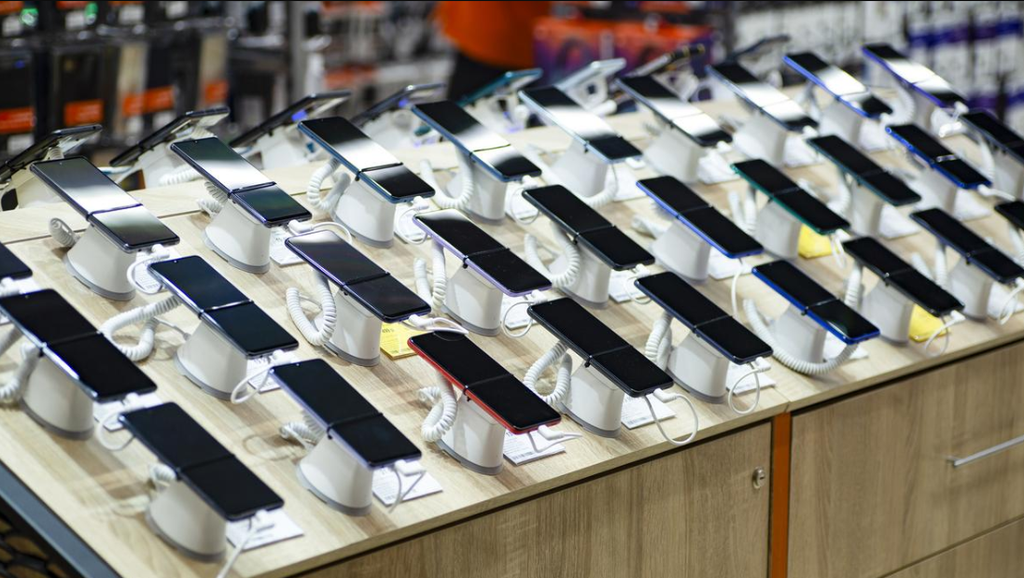
Mobile phone retailers across India are set to observe October 2, 2026, as “No UPI Day” to protest the proposed Merchant Discount Rate (MDR) on certain UPI merchant transactions. The nationwide action has been called by the All India Mobile Retailers Association (AIMRA), which says the additional transaction cost could put pressure on the margins of small mobile retailers.
Under the new framework, a 0.4% MDR will apply to specified person-to-merchant UPI transactions above ₹2,000 from October 15, 2026. Person-to-person transactions and eligible merchant payments of ₹2,000 or less are not covered by the charge. The proposed MDR is capped at ₹300 per transaction.
Why Are Mobile Retailers Protesting UPI MDR Charges?
AIMRA says its October 2 protest is intended to highlight concerns about the financial impact of MDR on mobile phone retailers.
As part of the “No UPI Day” campaign, participating retailers are expected to temporarily stop accepting UPI payments and cover their UPI QR codes with black cloth. The protest is scheduled for Gandhi Jayanti, October 2.
The retailers’ association has emphasized that its action is not against UPI or digital payments themselves. Instead, its stated concern is the additional cost that eligible UPI merchant transactions could create for retailers.
AIMRA has called for merchant UPI payments to continue under a zero-MDR structure.
What Is the Proposed 0.4% UPI MDR?
The Merchant Discount Rate, commonly known as MDR, is a charge associated with processing certain digital payments.
From October 15, the proposed framework will introduce a 0.4% charge on specified UPI payments to merchants above ₹2,000. The framework does not apply to person-to-person transfers, while eligible merchant payments up to ₹2,000 remain outside the charge. The maximum MDR on a transaction will be ₹300.
For example, a 0.4% MDR on an eligible ₹10,000 merchant transaction would amount to ₹40 before considering how the charge is allocated within the payment ecosystem.
The issue has become particularly important for retailers because mobile phones and other electronics can involve relatively high-value transactions, meaning some purchases can fall above the ₹2,000 threshold.
AIMRA Raises Concerns About Retailer Margins
According to a representation submitted by AIMRA to Finance Minister Nirmala Sitharaman, the association estimates that a small retailer processing between ₹5 lakh and ₹30 lakh in UPI transactions per month could face an additional monthly cost of approximately ₹2,000 to ₹12,000 under the proposed MDR.
AIMRA further estimates that the overall burden could reach around ₹40 crore per month, or nearly ₹500 crore annually, for small mobile retailers across India. These figures are estimates provided by the retailers’ association rather than independently verified totals.
The association argues that the additional expense could be significant for retailers operating with relatively narrow margins.
What Will Happen on October 2?
The October 2 campaign has been described by AIMRA as “No UPI Day.”
Retailers participating in the protest are expected to:
- Temporarily stop accepting UPI payments.
- Cover UPI QR codes with black cloth.
- Use the one-day action to highlight concerns about merchant MDR.
- Call for continued zero-MDR UPI payments for merchants.
The action is planned for October 2, which is also Gandhi Jayanti, a national holiday in India.
Could Customers Face Problems Using UPI at Mobile Shops?
Customers purchasing mobile phones, accessories and related products from participating retailers may not be able to use UPI during the protest.
This could mean customers need to use alternative payment methods at affected stores on October 2. The disruption, however, would depend on whether an individual retailer participates in the protest.
The issue is particularly notable because UPI has become a major part of India’s retail payment ecosystem. Reuters reported that UPI processed nearly 25 billion transactions worth more than ₹30 trillion in August 2026, highlighting the scale of the payment network.
Supreme Court Challenge to UPI MDR
The proposed UPI MDR framework is also facing a legal challenge.
On September 28, 2026, the Supreme Court declined to grant an interim stay on the proposed 0.4% MDR for specified UPI merchant transactions above ₹2,000. The court has sought responses from the Centre, the Reserve Bank of India and the National Payments Corporation of India.
The government has maintained that the new charge will not affect all UPI users and that a large majority of users will remain outside the MDR framework. The proposed charges are scheduled to take effect on October 15.
UPI MDR Debate: What Happens Next?
The October 2 “No UPI Day” will bring the concerns of mobile retailers into the spotlight ahead of the proposed October 15 implementation date.
For retailers, the central issue is the potential effect of transaction charges on business costs and margins. For policymakers and the wider payments industry, the debate involves how India’s rapidly expanding UPI ecosystem can remain financially sustainable while maintaining widespread digital payment adoption.
AIMRA’s position is that UPI merchant transactions should continue under a zero-MDR model. Meanwhile, the proposed framework is scheduled to proceed from October 15, subject to the ongoing legal and policy developments surrounding the MDR regime.
For customers, the immediate issue to watch is whether their local mobile retailer participates in the October 2 protest and what alternative payment options will be available that day.
Mobile phone retailers across India are preparing for a “No UPI Day” on October 2, 2026, in protest against the proposed 0.4% MDR on eligible UPI merchant transactions above ₹2,000.
AIMRA says the proposed charges could increase costs for small mobile retailers and is calling for merchant UPI payments to remain zero-MDR. The government-backed framework is scheduled to take effect on October 15, while the Supreme Court is considering a legal challenge to the new MDR structure.
The October 2 protest will therefore serve as an important point in the ongoing debate over the future cost, sustainability and accessibility of UPI payments for India’s retail sector.






































































































































