

 0
 0
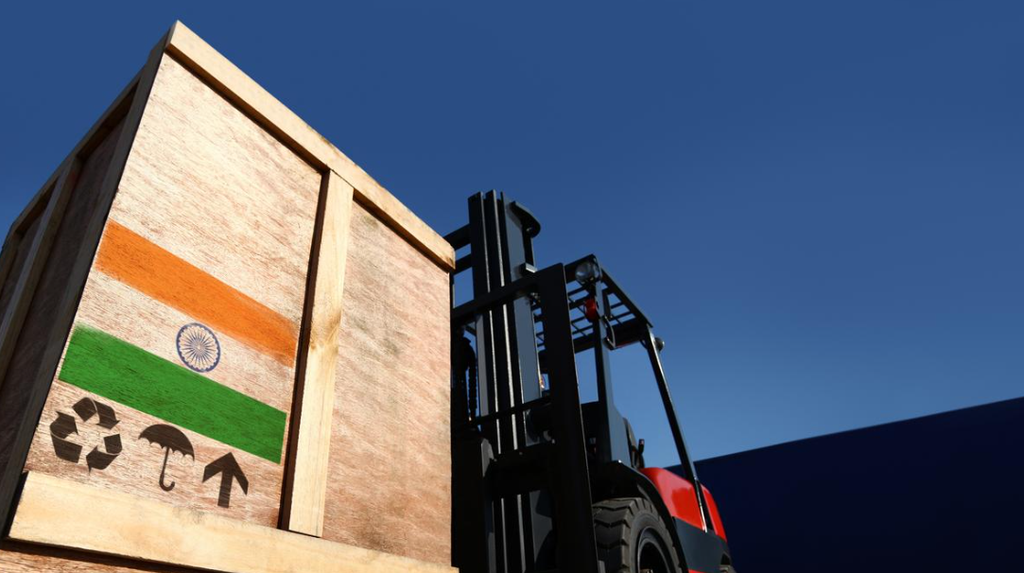
The India-New Zealand Free Trade Agreement has entered into force on October 20, 2026, marking an important milestone in bilateral economic relations. The agreement is expected to strengthen trade ties, improve market access, and create new opportunities for Indian businesses seeking to expand their international presence.
The Confederation of Indian Industry has encouraged exporters, particularly MSMEs, to take proactive steps to benefit from the agreement. Businesses are being encouraged to identify potential buyers, establish direct commercial relationships with New Zealand companies, and understand the requirements for accessing preferential trade benefits.
The FTA provides Indian exporters with 100% duty-free access to the New Zealand market across all tariff lines covering Indian exports. This development could improve the price competitiveness of Indian products and help businesses explore new international markets.
However, the actual benefits will depend on product-specific requirements, market demand, and exporters’ ability to meet New Zealand’s regulatory and quality standards.
MSMEs Encouraged to Explore International Markets
Micro, small and medium enterprises play a significant role in India’s manufacturing sector, employment generation, and export growth. The India-New Zealand FTA creates opportunities for these businesses to expand beyond domestic markets and develop long-term international partnerships.
CII has highlighted the importance of taking practical steps to convert improved market access into actual export orders. Indian MSMEs are encouraged to research consumer preferences, identify suitable distribution partners, and build relationships with importers and retailers in New Zealand.
Small businesses can also benefit from strengthening their digital presence, participating in international trade events, and using available export-support programmes.
Nevertheless, tariff reductions alone cannot guarantee export growth. MSMEs must maintain consistent product quality, competitive pricing, reliable delivery schedules, and effective customer service to establish a sustainable presence in overseas markets.
Key Sectors Expected to Benefit from the FTA
The India-New Zealand FTA is expected to create opportunities across several Indian export industries, particularly sectors where tariff reductions can improve competitiveness.
1. Textiles, Apparel, Leather and Footwear
India’s textile, apparel, leather, and footwear industries could benefit from the removal of import duties in New Zealand. These labour-intensive sectors provide substantial opportunities for MSMEs, manufacturers, and smaller exporters.
Improved price competitiveness could help Indian suppliers reach new buyers and strengthen their position against international competitors.
2. Engineering Goods and Automotive Components
Engineering products, machinery, automotive components, and related manufactured goods are among the sectors that could benefit from expanded market access.
Indian engineering MSMEs may explore opportunities to supply industrial equipment, components, tools, and other manufactured products to New Zealand businesses.
To compete effectively, exporters will need to demonstrate product reliability, technical compliance, and consistent manufacturing standards.
3. Pharmaceuticals and Chemicals
The FTA also offers opportunities for India’s pharmaceutical and chemical industries. Streamlined regulatory processes under the agreement may help eligible pharmaceutical and medical-device exporters navigate market-entry requirements more efficiently.
Businesses must continue to comply with applicable product registration, safety, quality, and certification rules.
4. Agriculture and Processed Food
Agricultural products and processed foods represent another potential growth area. Indian businesses may explore demand for spices, packaged foods, processed agricultural products, and other eligible goods in the New Zealand market.
Exporters should assess product-specific requirements, including food safety, labelling, packaging, and biosecurity regulations, before entering the market.
Understanding Rules of Origin and Export Compliance
CII has emphasised the importance of understanding the provisions of the India-New Zealand FTA, including product-specific rules of origin.
Rules of origin determine whether a product qualifies for preferential tariff treatment under a trade agreement. Exporters must verify the requirements applicable to their products and maintain the necessary documentation before claiming duty-free access.
MSMEs should also review customs procedures, product standards, certification requirements, and other applicable regulations.
Early preparation can help businesses reduce avoidable delays, manage compliance costs, and establish more reliable export operations.
For first-time exporters, obtaining guidance from export-promotion organisations, industry associations, and relevant government agencies can make the process easier to navigate.
India and New Zealand Aim to Strengthen Bilateral Trade
The India-New Zealand FTA reflects a broader effort to deepen economic cooperation through trade liberalisation, investment, and business collaboration.
The agreement supports the two countries’ ambition to double bilateral trade in goods and services to approximately NZ$7 billion by 2030. New Zealand has also committed to facilitating US$20 billion in investment into India over 15 years, subject to the framework and conditions associated with that commitment.
These objectives could create opportunities for Indian manufacturers, exporters, service providers, and smaller enterprises to participate in international supply chains.
For New Zealand businesses, the agreement offers improved access to India’s large consumer market. For Indian exporters, it provides a framework for expanding sales, diversifying export destinations, and building stronger international business relationships.
Practical Steps for Indian Exporters
To maximise the benefits of the India-New Zealand FTA, exporters and MSMEs should consider the following actions:
- Identify target customers: Research New Zealand’s import demand and identify buyers whose requirements match the company’s products.
- Verify tariff benefits: Check the applicable tariff classification and confirm eligibility for preferential treatment under the agreement.
- Meet compliance requirements: Review product standards, certification, packaging, labelling, and other relevant regulations.
- Build buyer relationships: Establish direct contact with importers, distributors, retailers, and potential business partners.
- Improve export readiness: Strengthen production capacity, quality assurance, pricing strategies, logistics, and delivery reliability.
- Use export-support resources: Seek guidance from CII, export-promotion councils, and relevant government agencies to understand market-entry procedures.
Taking these steps early can help businesses move from identifying opportunities to securing sustainable export contracts.
The India-New Zealand Free Trade Agreement presents new opportunities for Indian exporters and MSMEs to expand their presence in international markets. With duty-free access for Indian goods, the agreement could improve competitiveness across textiles, leather, footwear, engineering, pharmaceuticals, chemicals, agriculture, and processed food.
CII’s call for exporters to act proactively highlights the importance of market research, compliance, product quality, and direct engagement with international buyers.
Ultimately, the success of the India-New Zealand FTA will depend on how effectively Indian businesses translate improved market access into higher exports, stronger commercial partnerships, and long-term economic growth.
For MSMEs looking to expand globally, the agreement provides an important opportunity to strengthen export capabilities and establish a more competitive position in the New Zealand market.






































































































































