

 0
 0
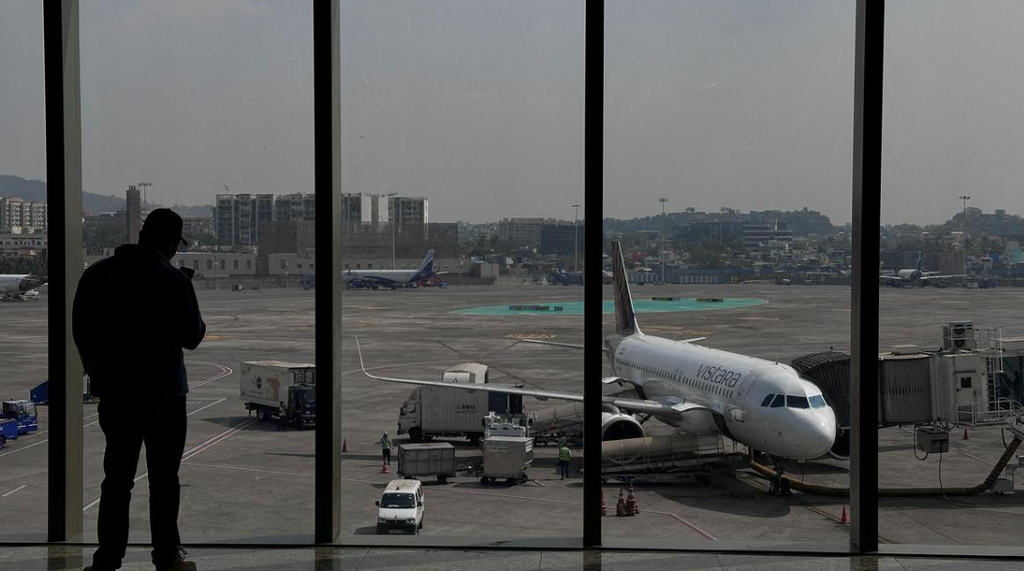
Adani Airports has deferred its plan to shift some international flights from Mumbai’s Chhatrapati Shivaji Maharaj International Airport to Navi Mumbai International Airport (NMIA) until the summer aviation schedule beginning in March 2027. The decision follows strong opposition from airlines and discussions involving airport authorities and the Ministry of Civil Aviation.
The proposed relocation was intended to support the redevelopment of Mumbai Airport’s ageing Terminal 1. However, airlines raised concerns about operational disruption, passenger inconvenience, flight scheduling, and the commercial impact of moving international services to another airport.
The delay provides airlines with more time to prepare, while Adani Airports and other stakeholders work toward a mutually acceptable transition plan.Writing
Why Has Adani Deferred the Mumbai-to-Navi Mumbai Flight Shift?
Adani Airports’ decision to postpone the proposed shift comes after airlines opposed plans to move a portion of international flight operations from Mumbai Airport to Navi Mumbai International Airport.
The original proposal involved 265 weekly international departures out of approximately 770 from Mumbai Airport. The changes were intended to create additional capacity at Terminal 2, allowing domestic passengers and operations to be accommodated while Terminal 1 undergoes redevelopment.
Following discussions with airline representatives on October 13, 2026, Mumbai International Airport Limited (MIAL) indicated that international flights would not be shifted before the winter schedule ends in March 2027. A joint working group is expected to develop a detailed plan for implementing the redevelopment and managing the transition.
The postponement does not mean that the relocation plan has been permanently cancelled. Instead, the airport operator and airlines will have more time to address operational concerns and agree on the next steps.
What Is the Reason Behind the Mumbai Airport Redevelopment?
The redevelopment is linked to safety concerns surrounding the ageing infrastructure at Terminal 1 of Chhatrapati Shivaji Maharaj International Airport.
Adani Airports has announced plans to begin partially demolishing and rebuilding the northern section of Terminal 1B in January 2027. According to the company, the project is intended to address infrastructure concerns and increase the terminal’s long-term capacity.
The redevelopment is also expected to improve the airport’s ability to handle growing passenger demand.
However, temporarily reducing Terminal 1 operations creates a capacity challenge. Terminal 2 may need to accommodate some domestic flights displaced by the construction work, requiring adjustments to existing international flight schedules.
The proposed shift to Navi Mumbai was one way to manage this challenge. However, airlines have argued that the transition needs more detailed planning and consultation.
Why Are Foreign Airlines Opposing the Shift to Navi Mumbai?
Several airlines have raised concerns about the proposed transfer of international departures from Mumbai Airport to Navi Mumbai International Airport.
Their objections involve operational, commercial, and passenger-related considerations.
1. Passenger Convenience
Mumbai Airport is an established international aviation hub serving business travellers, tourists, and connecting passengers.
Moving flights to Navi Mumbai could require passengers to travel to a different airport, potentially increasing ground-transportation time and costs.
Passengers connecting between domestic and international flights could face additional complications if their services operate from different airports.
2. Operational Challenges
Airlines organise their schedules around aircraft availability, crew assignments, airport facilities, passenger connections, and international flight timings.
Moving services to another airport requires adjustments to these arrangements. Airlines therefore want clarity about terminal capacity, airport readiness, available facilities, and the proposed allocation of flight slots.
3. Financial Implications
Airlines may also face additional operating costs if the relocation affects aircraft utilisation, ground handling, passenger transfers, or existing commercial arrangements.
Carriers have requested more information about the redevelopment plan and the rationale for reducing international departures at Mumbai Airport.
These concerns demonstrate why a major airport transition requires coordination between airport operators, airlines, regulators, and passengers.
What Does the Decision Mean for International Passengers?
The postponement offers some certainty for passengers travelling during the upcoming winter aviation schedule.
Since the proposed changes have been deferred, the immediate plan is to maintain existing winter flight-slot allocations rather than implement the planned reduction in international departures.
However, passengers should continue to check their airline’s official website, booking notifications, and airport information before travelling.
The decision does not guarantee that every future flight will remain unchanged. Airlines may still make schedule adjustments for operational or other reasons, and a revised relocation plan could be introduced for the summer schedule beginning in March 2027.
Passengers should confirm their departure airport and terminal directly with their airline before leaving for the airport.
How Will the Decision Affect Navi Mumbai International Airport?
Navi Mumbai International Airport is an important part of the Mumbai metropolitan region’s expanding aviation infrastructure.
The airport is expected to help accommodate rising air-traffic demand and reduce pressure on the existing Mumbai airport system.
The proposed transfer of international flights would have helped Navi Mumbai attract additional airline services and international passengers.
However, the postponement means that the airport operator must continue coordinating with airlines before implementing the planned transition.
The delay may provide additional time to improve operational arrangements, clarify passenger-transportation options, and ensure that airlines have the necessary facilities to support international services.
Although the postponement delays the anticipated transfer of some flights, it does not remove Navi Mumbai Airport’s long-term role in the region’s aviation development.
Mumbai Airport vs Navi Mumbai Airport: Key Differences
| Factor | Mumbai Airport | Navi Mumbai Airport |
|---|---|---|
| Primary role | Established international and domestic aviation hub | New airport supporting regional aviation growth |
| Current challenge | Terminal redevelopment and capacity management | Attracting and accommodating additional airline operations |
| Airline concern | Managing existing slots during construction | Ensuring smooth operational transition |
| Passenger impact | Existing travel arrangements may be maintained during the postponement | Potential future increase in international services |
| Next major development | Terminal 1 redevelopment | Potential transfer of selected international flights |
What Happens Next?
The next stage will involve developing a revised plan for the Terminal 1 redevelopment and the possible relocation of selected international flights.
Adani Airports, Mumbai International Airport Limited, airline representatives, and aviation authorities will need to address several important questions:
- Which international flights, if any, will move to Navi Mumbai?
- How will existing airline slots and historical allocations be protected?
- What arrangements will minimise disruption for connecting passengers?
- How will terminal capacity be managed during redevelopment?
- When will the revised transition schedule be confirmed?
The summer aviation schedule beginning in March 2027 is the next major timeline under consideration. However, the final implementation details will depend on consultations and the revised plan.
The success of the transition will depend on balancing infrastructure safety, airport capacity, airline operations, and passenger convenience.
Adani’s decision to defer the proposed shift of international flights from Mumbai Airport to Navi Mumbai until March 2027 highlights the challenges of expanding aviation infrastructure while maintaining smooth airline operations.
The postponement follows objections from carriers concerned about flight scheduling, operational costs, passenger convenience, and the need for a clearer redevelopment plan.
For passengers, the decision offers greater certainty during the winter schedule. For airlines, it provides more time to prepare for potential operational changes. For Navi Mumbai International Airport, the delay postpones an opportunity to attract additional international services.
Ultimately, the relocation remains part of a broader effort to manage Mumbai’s growing aviation demand. A successful outcome will require transparent communication, detailed capacity planning, and cooperation among airport operators, airlines, and government authorities.






































































































































