

 0
 0
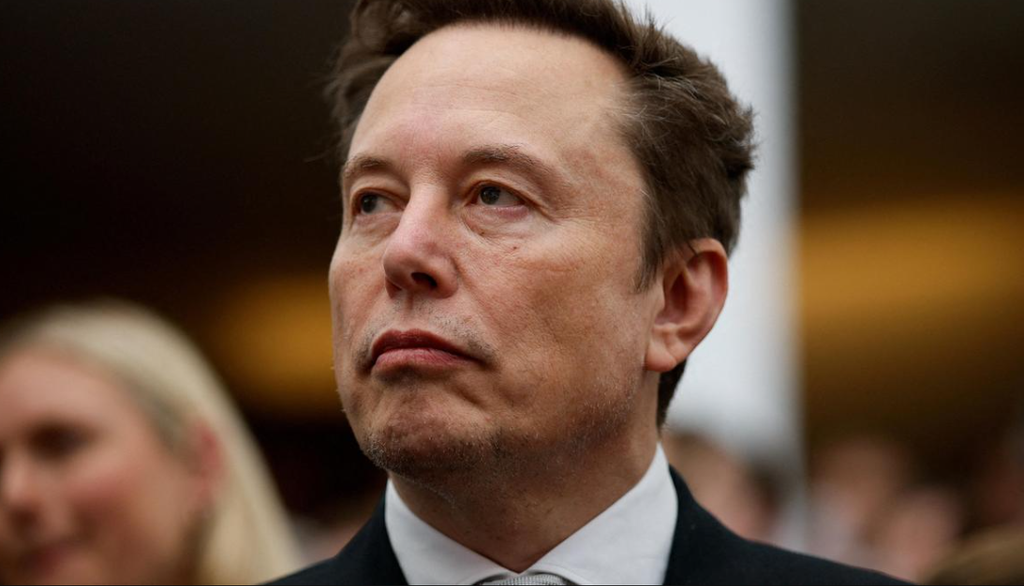
Elon Musk has escalated his public dispute with Indian billionaire Mukesh Ambani, sarcastically addressing the Reliance Industries chairman as “Prime Minister Ambani” while alleging that established business interests are standing in the way of Starlink’s entry into India.
In a series of posts on X, Musk questioned why Starlink’s commercial launch in one of the world’s largest internet markets continues to face regulatory hurdles despite the company’s efforts to meet Indian government requirements. His remarks have intensified the debate over market competition, regulatory transparency, and the influence of major corporations in India’s telecommunications sector.
Musk’s latest comments directly targeted Ambani, whose Reliance Jio has become a dominant force in India’s mobile telecommunications market. The SpaceX founder suggested that existing market players would prefer to preserve their competitive advantages rather than allow a new satellite internet provider to challenge their position.
Addressing Ambani sarcastically, Musk wrote that he owed him an apology for failing to recognize him as the “real boss of India.” He then questioned whether Ambani would allow Starlink to compete in the Indian market.
The remarks represent a further escalation in a dispute that has attracted attention from business leaders, policymakers, and consumers interested in the future of satellite internet services.
Musk Alleges Monopoly as Starlink Seeks Entry Into India
At the center of the controversy is Musk’s allegation that established business interests may be seeking to preserve their market dominance by delaying Starlink’s commercial entry into India.
Musk argued that competition from Starlink could provide Indian consumers with additional choices and potentially improve access to reliable internet services. He also emphasized the importance of connectivity in rural and underserved communities, where conventional telecommunications infrastructure may be limited.
According to Musk, satellite internet could help students access educational resources, enable small businesses to reach international customers, and provide communications support during natural disasters when terrestrial networks become unavailable.
However, Musk’s monopoly allegations remain contested and should not be treated as established fact. Indian authorities have rejected suggestions that the regulatory process unfairly favors domestic operators, while the allegations against Ambani have not been independently established.
The distinction is important because delays in launching a satellite internet service can involve several regulatory and technical requirements, including security compliance, spectrum allocation, and authorization to begin commercial operations.
India Rejects Claims of Regulatory Favoritism
The Indian government has pushed back against allegations that Starlink is being deliberately blocked to protect Reliance Jio or other domestic telecommunications interests.
India’s Telecom Minister, Jyotiraditya Scindia, has stated that the country does not permit monopolies in any sector. Government officials have also maintained that satellite communications providers must satisfy the applicable regulatory and security requirements before launching commercial services.
Starlink has secured a satellite communications licence, but licensing alone does not authorize an immediate commercial rollout. The company still needs to meet outstanding security conditions and obtain the necessary spectrum allocation.
Other satellite communications ventures, including Reliance’s Jio satellite business and Eutelsat OneWeb, backed by Bharti interests, have also been pursuing opportunities in the Indian market and face regulatory requirements of their own.
The government has described allegations of an unfair or discriminatory approval process as unfounded, maintaining that the framework applies to satellite operators seeking to provide services in the country.
This creates two competing narratives: Musk argues that regulatory delays are preventing meaningful competition, while Indian authorities say national security and regulatory compliance remain essential to the approval process.
Why Starlink’s India Expansion Matters
India represents a significant opportunity for satellite internet providers because of its large population, expanding digital economy, and continuing connectivity challenges in remote areas.
Unlike traditional broadband networks that depend heavily on ground-based infrastructure, Starlink uses a constellation of low-Earth-orbit satellites to deliver internet connectivity to compatible terminals. This approach can make satellite broadband particularly relevant in geographically isolated communities where building conventional infrastructure is difficult or expensive.
For rural schools, healthcare facilities, small businesses, and emergency response teams, improved connectivity could expand access to digital services and communication tools.
Nevertheless, Starlink’s commercial prospects will depend on more than regulatory approval. Pricing, equipment costs, service reliability, local infrastructure, and competition from established telecom operators will all influence consumer adoption.
Musk has acknowledged the importance of affordability, saying that Starlink would need competitive pricing to attract Indian customers. He has also argued that increased competition could benefit consumers even if it reduces the profits of existing market leaders.
The company has not announced a definitive Indian consumer pricing plan in the statements discussed in the recent reports.
Starlink vs Reliance Jio: The Battle for India’s Internet Market
The dispute highlights the growing intersection between satellite broadband and traditional telecommunications.
Reliance Jio built its position in India by offering low-cost mobile data and expanding access to digital services across the country. Starlink, by contrast, aims to provide satellite-based connectivity that could serve locations where terrestrial networks are less practical.
These business models are not identical, but they may overlap in some customer segments, particularly where satellite broadband becomes an alternative to fixed-line internet or an additional option for businesses and households seeking connectivity.
The competitive implications will depend on how India’s satellite spectrum policies develop and how providers structure their services.
If Starlink enters the market with affordable packages, it could introduce a new source of competition in selected regions. However, its equipment and operating costs may make its offering different from the low-cost mobile data plans that helped Jio attract millions of customers.
For Indian consumers, the key question is whether new satellite services can deliver meaningful improvements in affordability, availability, and reliability without compromising security or regulatory compliance.
What Happens Next in the Starlink-Ambani Row?
The next stage of the dispute will depend on regulatory approvals, spectrum allocation, and Starlink’s ability to establish a commercially viable service in India.
Musk’s public criticism has brought greater attention to the approval process, but his allegations alone do not establish that Ambani or Reliance has improperly influenced government decisions.
For the Indian government, the challenge is to apply its rules consistently while supporting competition, investment, and the expansion of digital connectivity.
For Starlink, entering India could open access to a substantial market, but success will depend on meeting regulatory requirements and offering a service that consumers can afford.
For Reliance Jio and other established operators, the arrival of another connectivity provider could create additional competitive pressure, particularly if satellite internet becomes more accessible to households and businesses outside major urban centers.
Ultimately, the Starlink controversy is about more than a sarcastic exchange between two high-profile billionaires. It raises broader questions about competition, market concentration, telecommunications regulation, and the role satellite technology could play in connecting underserved communities.
Whether Starlink can turn its ambitions into a successful commercial launch in India remains to be seen. What is clear is that the debate over who gets to compete in one of the world’s largest digital markets is becoming increasingly public.






































































































































