

 0
 0
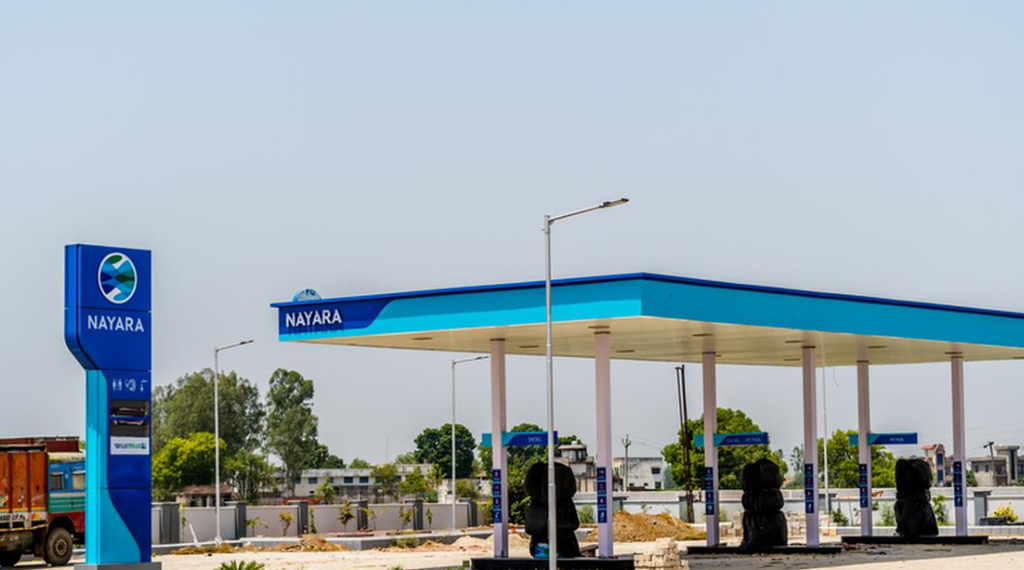
Nayara Energy, one of India’s largest private fuel retailers, has raised petrol prices by ₹5 per litre and diesel prices by ₹3 per litre with immediate effect.
The company operates more than 7,000 petrol pumps across India, meaning the latest price adjustment could affect a large number of motorists, commercial vehicle operators and businesses that depend on diesel.
The increase is primarily linked to higher international crude oil and refined-product prices, which have increased the cost of supplying fuel while domestic retail prices have remained comparatively low.
Why Did Nayara Energy Increase Fuel Prices?
The main reason behind the Nayara Energy petrol price hike is the sharp increase in global energy costs.
International crude oil prices have risen amid continuing geopolitical uncertainty and disruptions in global energy markets. Higher crude prices increase the cost of producing and importing petroleum products, putting pressure on the margins of oil marketing companies.
For private fuel retailers, the problem becomes more significant when domestic petrol and diesel prices do not move in line with international market prices.
According to recent industry estimates, oil marketing companies have been facing negative marketing margins as elevated crude prices squeeze the difference between fuel procurement costs and retail selling prices.
Petrol and Diesel Prices Could Rise Further
The latest move by Nayara Energy could increase pressure on other private fuel retailers to reconsider their pricing strategies.
State-owned oil marketing companies currently control more than 90% of India’s petrol pumps and have largely kept retail petrol and diesel prices unchanged despite fluctuations in global crude prices.
This creates a significant price difference between Nayara Energy outlets and many state-owned fuel stations.
For consumers, this means motorists may increasingly compare prices between private and public-sector fuel stations before refuelling.
Nayara Energy’s 2026 Fuel Price Timeline
Nayara Energy has already experienced significant changes in fuel prices this year.
In March, the company increased petrol prices by ₹5 per litre and diesel prices by ₹3 per litre following a surge in international oil prices and concerns over energy supply disruptions.
However, as crude prices eased and tensions in West Asia temporarily subsided, Nayara reversed the increase on July 1. Petrol prices were reduced by ₹5 per litre, while diesel prices were cut by ₹3 per litre.
The latest October increase effectively reverses that July reduction and highlights the volatility facing fuel retailers in 2026.
Impact on Indian Consumers
The Nayara Energy fuel price hike could have a broader impact on consumers if higher fuel costs persist.
Petrol is primarily used by private vehicles, while diesel remains particularly important for commercial transportation, logistics, agriculture and industrial activity.
A ₹3-per-litre increase in diesel can raise operating costs for transport companies and businesses that rely heavily on diesel-powered vehicles.
Higher transportation costs can eventually feed into the prices of goods and services because fuel is an important component of India’s logistics and supply chain costs.
For motorists using Nayara Energy stations, the immediate impact will be higher spending at the pump.
Impact on Inflation
Higher petrol and diesel prices can also create additional inflationary pressure.
Fuel costs influence transportation, distribution and logistics expenses across the economy. If crude oil prices remain elevated and more fuel retailers increase prices, businesses could face higher operating costs.
That could become an important consideration for India’s economic policymakers, particularly as inflation remains a key concern for the Reserve Bank of India.
The impact will depend on how long global crude prices remain high and whether state-owned oil marketing companies eventually adjust domestic retail prices.
Government Urges Private Fuel Retailers to Maintain Supplies
The latest price increase comes shortly after the Indian government urged private fuel retailers not to restrict petrol and diesel sales.
Private retailers, including Nayara Energy and Jio-bp, had faced significant financial pressure because retail fuel prices remained below market-linked costs. Some outlets had reportedly limited sales amid concerns over losses and supply pressures.
The government has emphasized the importance of maintaining fuel availability, particularly as demand remains strong.
The situation highlights the challenge facing fuel retailers: keeping petrol and diesel available to consumers while managing the financial impact of high international crude prices.
Will Other Fuel Retailers Increase Prices?
The key question now is whether other private and state-owned fuel retailers will follow Nayara Energy’s lead.
Nayara’s decision could increase pressure on the broader Indian fuel retail market, particularly if international crude prices remain above levels that allow retailers to maintain existing pump prices.
However, state-owned oil marketing companies may continue to consider broader economic and policy factors before making changes to retail petrol and diesel prices.
Any significant increase by other fuel retailers could have a much larger impact on Indian consumers and businesses.
What Does the Nayara Energy Price Hike Mean for the Market?
The latest move is an important signal for India’s fuel market because it demonstrates the growing gap between global energy costs and domestic retail fuel prices.
For Nayara Energy, raising prices helps narrow the difference between the cost of fuel and the price paid by consumers.
For consumers, however, higher petrol and diesel prices mean increased transportation and mobility costs.
If global crude prices remain elevated for an extended period, the pressure on fuel retailers is likely to continue.
Outlook for Petrol and Diesel Prices in India
The outlook for Indian fuel prices will largely depend on global crude oil prices, geopolitical developments, currency movements and domestic pricing decisions.
If international crude prices decline, fuel retailers could regain some margin flexibility. However, a prolonged period of high crude prices could result in further pressure for higher domestic fuel prices.
Nayara Energy’s latest ₹5 petrol and ₹3 diesel increase therefore represents more than an isolated price adjustment. It reflects the growing challenge faced by India’s fuel retailers as international energy costs rise.
For Indian consumers, the next major development will be whether other retailers follow Nayara Energy and whether higher fuel costs eventually feed into transportation costs and






































































































































