0
 0
Measles is among the most contagious infectious diseases, meaning communities need very high vaccination coverage to prevent sustained transmission.
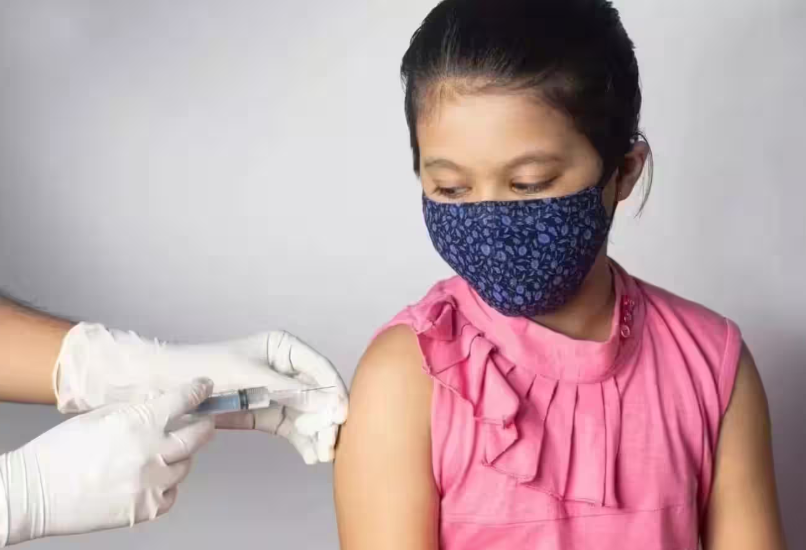
The measles, mumps and rubella (MMR) vaccine has proven highly effective at preventing measles. However, pockets of under-vaccinated populations can allow outbreaks to emerge and spread rapidly.
Gates said vaccine hesitancy in richer countries presents a particular challenge because misinformation and distrust can spread quickly, potentially affecting vaccination decisions among parents and communities.
The problem is not simply a lack of vaccine availability. In many wealthy countries, vaccines are readily accessible, but some people choose not to receive them because of concerns about safety, misinformation or distrust in public health institutions.
Why Measles Eradication Requires Global Cooperation
Unlike diseases that can be contained within specific regions, measles can cross borders easily through international travel.
A country with high vaccination coverage can still experience imported measles cases if the virus is circulating elsewhere. When those cases encounter communities with insufficient immunity, local transmission can begin.
This makes global vaccination coverage essential to any long-term measles eradication strategy.
Health authorities therefore continue to emphasise the importance of maintaining high immunisation rates across countries rather than focusing exclusively on areas where measles transmission is already widespread.
Rich Countries Face a Different Vaccination Challenge
Low- and middle-income countries can face barriers related to vaccine access, healthcare infrastructure and financing. Wealthier nations generally have greater access to vaccines, but they can face a different problem: people declining vaccination despite availability.
Vaccine hesitancy has become an increasingly important public health concern, particularly when misinformation spreads through social media and online communities.
The consequences can extend beyond individuals who remain unvaccinated. When vaccination coverage falls below the level required for strong community protection, people who cannot be vaccinated or who are particularly vulnerable can face greater exposure to the virus.
Measles Can Return When Vaccination Rates Fall
Measles was once a common childhood disease in many countries, but widespread vaccination dramatically reduced infections and deaths.
However, elimination requires sustained vaccination coverage over many years.
Even after transmission has been interrupted, declining vaccination rates can create conditions for measles to return. Imported cases can then trigger outbreaks in communities where immunity is insufficient.
This makes maintaining public confidence in vaccination a critical part of measles control.
Misinformation Creates a Long-Term Public Health Risk
The spread of inaccurate health information has complicated efforts to maintain vaccine confidence.
Social media platforms can allow misleading claims to reach large audiences rapidly, while emotionally powerful stories may influence vaccine decisions more strongly than scientific evidence.
Public health experts have therefore increasingly called for clearer communication about vaccine safety, effectiveness and the risks posed by vaccine-preventable diseases.
Building trust is particularly important because vaccination decisions can affect entire communities, not only individuals.
Gates Warns Against Losing Progress
The warning comes at a time when global health organisations continue working to protect the progress made against measles.
The disease is preventable through vaccination, yet outbreaks can continue when immunisation coverage declines.
For Gates and other global health advocates, the challenge is therefore not primarily scientific. Effective measles vaccines already exist. The greater challenge is ensuring that enough people continue to accept and receive them.
What It Would Take to Eliminate Measles
Achieving global measles eradication would require sustained political commitment, reliable vaccine access and consistently high immunisation coverage.
Governments would also need effective surveillance systems capable of detecting cases quickly and responding to outbreaks before transmission becomes widespread.
At the same time, public health authorities would need to address vaccine hesitancy through transparent communication and trusted healthcare professionals.
The combination of vaccination, surveillance and public confidence will be essential if the world is to move closer to eliminating measles.
Bill Gates’ warning highlights a major obstacle facing global measles eradication: vaccine hesitancy in wealthy countries can undermine progress even when effective vaccines are widely available.
Measles can be prevented through vaccination, but eliminating the virus requires consistently high immunity across populations and countries.
As international travel continues to connect communities, maintaining vaccine confidence will remain crucial. Without addressing misinformation and hesitancy, the goal of wiping out measles globally could remain difficult to achieve.