 0
 0
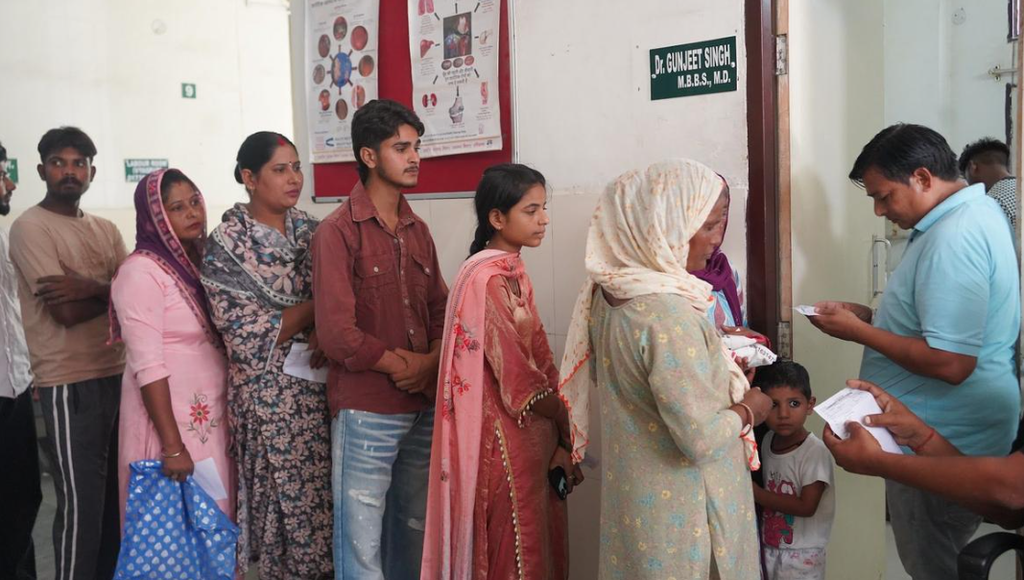
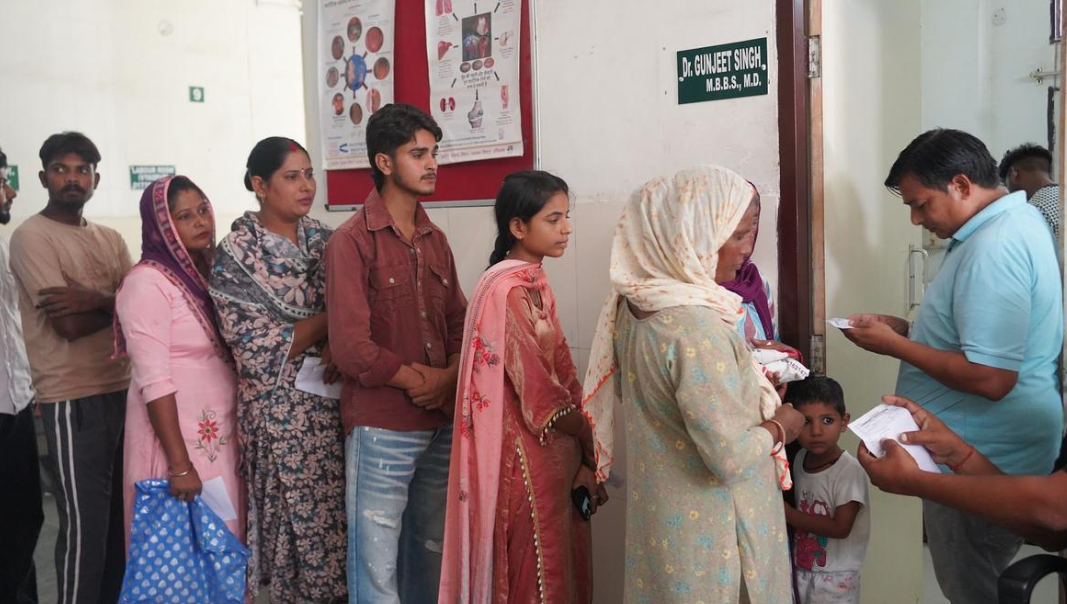
Screening Comes Closer to Rural Communities
For people living in villages, access to specialised healthcare can sometimes involve travelling to larger towns or district hospitals. Village-level health facilities are designed to provide basic healthcare closer to where people live and to connect patients with higher-level facilities when additional treatment is required.
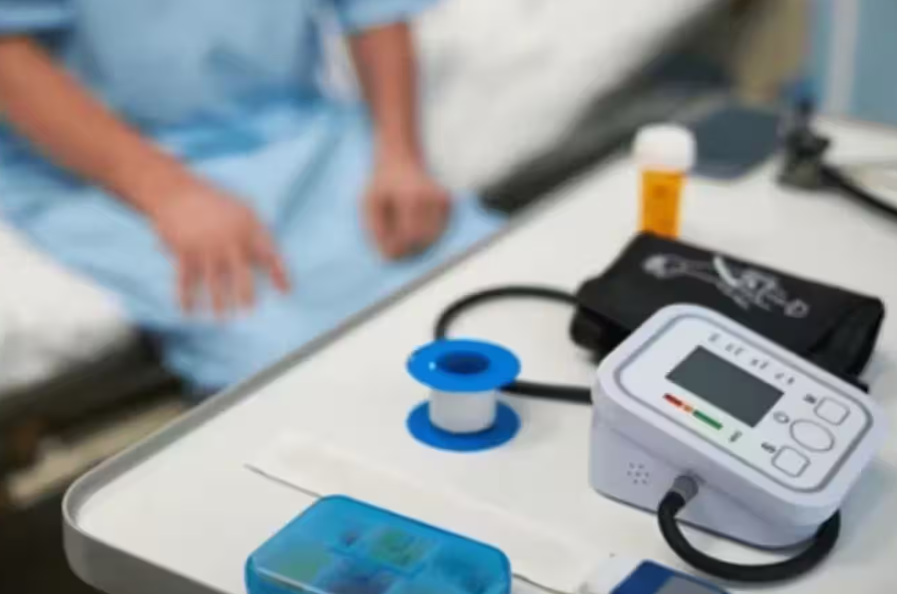
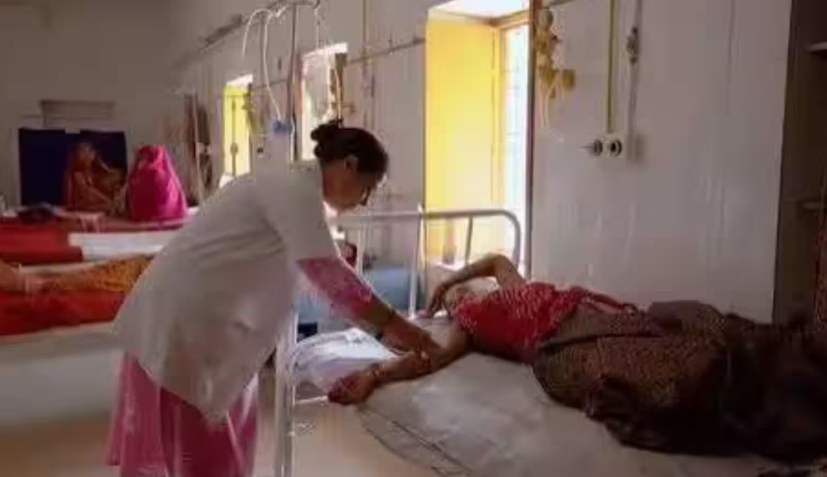
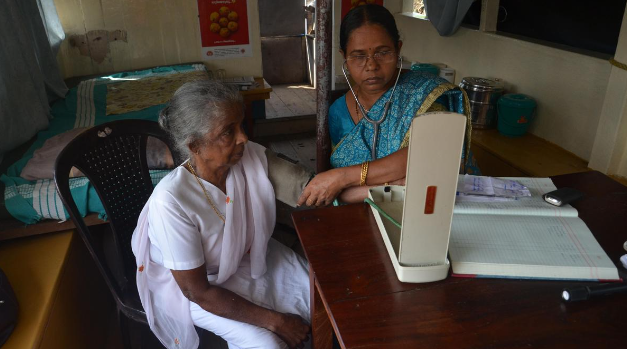
Health workers can conduct basic assessments, including blood-pressure checks, and identify people who may need further medical evaluation.
This early screening is particularly important because hypertension can develop without noticeable symptoms. People who feel healthy may therefore remain unaware that they have elevated blood pressure or other cardiovascular risk factors.
Hypertension Screening Can Help Prevent Complications
High blood pressure is a major risk factor for cardiovascular disease, stroke and other serious health problems. Detecting hypertension early gives patients an opportunity to receive medical advice, treatment and regular monitoring.
India’s NCD programme provides for treatment and follow-up of people diagnosed with hypertension. Medicines are supplied through the public health system, while patients who require additional assessment can be referred to higher-level healthcare facilities.
The objective is to create a continuous system of care rather than relying only on treatment after a patient develops serious symptoms.
Community Health Workers Are Central to the Programme
Community health workers play a key role in connecting rural residents with screening services.
ASHA workers, Auxiliary Nurse Midwives and Community Health Officers can encourage eligible residents to undergo screening and provide information about healthy lifestyles, regular check-ups and treatment adherence.
Their involvement is particularly important for people who need long-term monitoring. Patients with hypertension or diabetes may require regular checks and continued medication, making follow-up an essential part of disease management.
Haryana Strengthens Rural Healthcare
Haryana has also continued to expand its rural healthcare network.
The state government has approved new Sub-Health Centres in rural areas and the upgrading of selected facilities to improve access to primary healthcare. The expansion is intended to bring essential medical services closer to communities and reduce the need for residents to travel long distances for basic healthcare.
A stronger network of village-level facilities can also make it easier to deliver preventive services such as NCD screening, health education and follow-up care.
From Screening to Treatment
Screening is only the first stage of the process. Once a person is identified as having high blood pressure or another health condition, appropriate treatment and monitoring become essential.
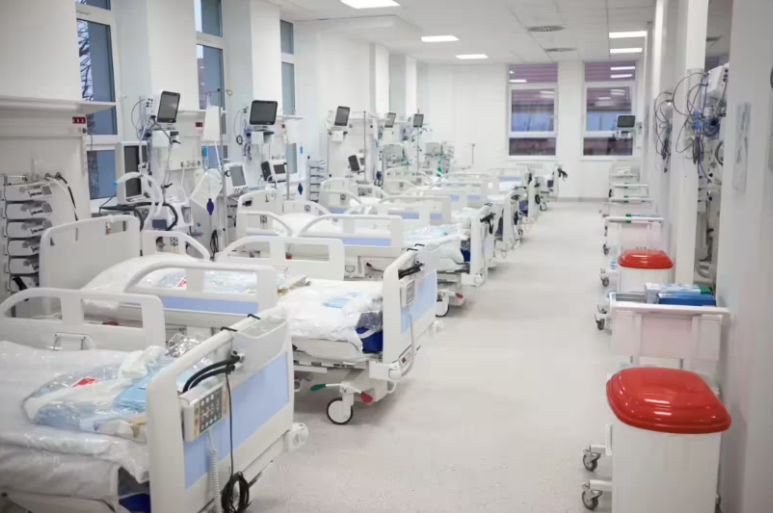
Patients can receive medicines and follow-up care at primary-level facilities, while those requiring specialised treatment can be referred to higher-level hospitals.
The system also encourages community-based follow-up. Health workers can remind patients to take their medicines, attend scheduled check-ups and maintain lifestyle changes recommended by healthcare professionals.
Technology Supports Rural Healthcare
Digital healthcare services are increasingly being used to strengthen the connection between village health facilities and doctors.
Teleconsultation can allow healthcare workers in rural areas to seek advice from doctors and specialists when a patient’s condition requires further evaluation.
This can be particularly useful in areas where specialist healthcare is not immediately available, helping rural patients access medical guidance without always having to travel to a major city.
Early Detection Remains Important
India’s large-scale NCD screening programme reflects the growing importance of early detection and prevention.
Hypertension and diabetes can remain undiagnosed for long periods, increasing the risk of complications if they are not identified and managed. Regular screening gives healthcare workers an opportunity to identify people at risk and connect them with treatment before their condition becomes more serious.
For rural communities, having these services available closer to home can make preventive healthcare more accessible.
A Focus on Long-Term Heart Health
The role of village health centres extends beyond detecting individual cases. They also provide an opportunity to educate communities about factors that can affect cardiovascular health.
Health workers can promote physical activity, healthier diets, tobacco cessation, reduced alcohol consumption and adherence to prescribed medicines.
These measures, combined with regular monitoring, can form an important part of a long-term strategy to reduce the risk of cardiovascular complications.
Haryana’s village health centres are helping bring heart-health screening and NCD services closer to rural communities.
By identifying hypertension and other risk factors, connecting patients with treatment and providing follow-up support, these facilities form an important link between rural residents and the wider healthcare system.
Village-level screening cannot replace specialist cardiac care, but it can help people identify health problems earlier and access appropriate medical attention. For many rural residents, that early connection with the healthcare system can be an important step towards protecting their long-term heart health.