0
0
 0
0
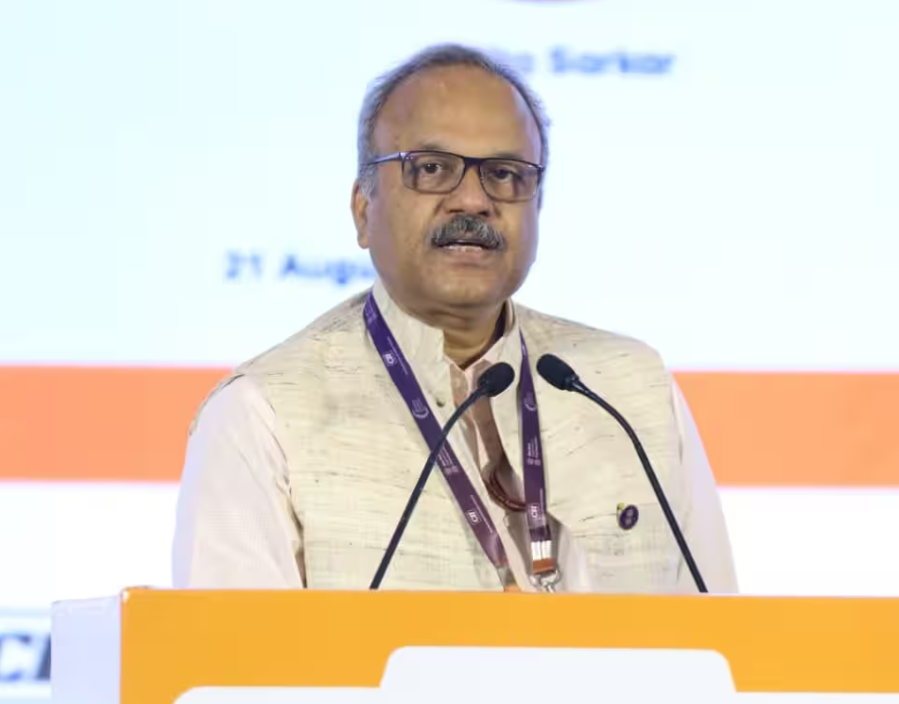
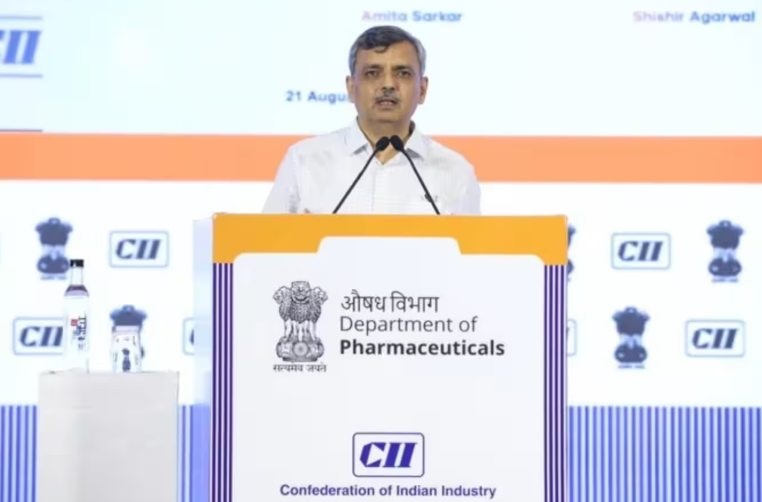
India is set to significantly increase regulatory audits of medical device manufacturing facilities, while authorities are also considering a waiver of test-licence requirements for devices under research and development. The proposed changes were outlined by Drugs Controller General of India (DCGI) Dr Rajeev Raghuvanshi at the CII’s 18th Global MedTech Summit.
The regulatory shift comes after the Central Drugs Standard Control Organisation (CDSCO) spent the past two years facilitating product approvals and helping manufacturers adapt to India’s evolving medical-device framework. According to the DCGI, around 30,000 product licences have been issued over the last two years, and the regulator now intends to place greater emphasis on compliance and inspections.
Medical Device Facility Audits to Increase
The DCGI said medical device manufacturers should expect a substantial increase in facility audits as regulators move toward stronger post-approval oversight.
The industry has had time to adapt to the newer regulatory framework, and extensive consultations have already taken place with stakeholders. As a result, manufacturers are expected to be prepared for inspections and demonstrate compliance with applicable requirements.
The move represents a shift in regulatory priorities. While faster approvals have been a major focus in recent years, authorities are now looking more closely at manufacturing practices and ongoing compliance.
For manufacturers, this means quality-management systems, documentation, production processes and other regulatory requirements are likely to receive greater scrutiny.
India’s Medical Device Industry Continues to Expand
India’s medical device industry is currently estimated at around $16 billion, representing roughly 2% of the global market. The country has approximately 800 manufacturing units, with most domestic manufacturers producing lower-risk Class A and Class B devices.
The sector has expanded considerably since the introduction of the National Medical Devices Policy, 2023. The industry is now expected to reach approximately $50 billion over the next five years, creating both opportunities and regulatory challenges.
As the domestic market grows, stronger oversight could become increasingly important to ensure that manufacturing expansion is accompanied by consistent quality and safety standards.
Domestic Manufacturing Gains Momentum
The regulatory developments come alongside an increase in locally manufactured medical devices.
According to the DCGI, the contribution of locally produced goods increased by 43% between 2022 and 2025, rising from approximately $2 billion to $7 billion. Imports during the period remained relatively muted at around $9 billion.
The figures indicate that domestic manufacturing is becoming a more important part of India’s medical-device ecosystem.
Greater local production could help reduce dependence on overseas supply chains while supporting India’s ambition to develop a stronger medical-technology manufacturing base.
Test-Licence Waiver Could Boost Medical Device Innovation
Alongside tighter facility inspections, the government is considering a potentially significant regulatory relaxation.
The Central Licensing Authority under CDSCO is planning to propose eliminating the requirement for a test licence for medical devices under trial during the research and development stage. The proposal is expected to be discussed at an upcoming meeting of the Drugs Technical Advisory Board (DTAB).
The idea is based on the argument that innovators should not need a full test licence simply to conduct early-stage R&D and testing of unapproved medical devices.
If approved, the change could reduce administrative hurdles for companies, researchers and startups developing new medical technologies.
Why the Test-Licence Waiver Matters
The proposed test-licence waiver could be particularly important for India’s emerging medtech innovation ecosystem.
Regulatory requirements during early-stage product development can increase costs and extend development timelines. Removing the test-licence requirement for appropriate R&D activities could allow innovators to conduct testing and refine products more efficiently.
Industry representatives have welcomed the proposal, noting that medical devices generally do not require equivalent test licences in many international regulatory environments.
However, any waiver would still need to be structured carefully to ensure that regulatory flexibility during R&D does not compromise patient safety or appropriate testing standards.
Only 117 Approved Devices Were New or Novel
The DCGI also highlighted an important issue surrounding innovation.
Of the approximately 30,000 medical devices approved by the authority, only 117 were classified as new or novel devices.
The relatively small number suggests that India’s medical-device sector still has significant room to expand its indigenous innovation capabilities.
A simpler R&D regulatory pathway could help address that gap by making it easier for companies and researchers to develop and test new technologies before seeking broader regulatory approval.
Import Approval Timelines Have Improved
While the regulator is preparing for stricter audits, it has also made progress in reducing approval timelines.
The median processing time for medical-device import applications has fallen to 145 days, or approximately four to five months. The regulator’s stated charter commitment is nine months. Between April 2025 and June 2026, 1,082 import licences were issued with a median processing time of 145 days.
The improvement is also visible in other categories.
For in-vitro diagnostics, the average processing time was reduced to 105 days, with 585 approvals granted during the period. For high-risk medical devices, 571 applications were cleared with an average processing time of 106 days.
The combination of faster approvals and stronger post-market oversight suggests that India’s regulatory strategy is moving toward a balance between facilitating innovation and enforcing compliance.
Industry Seeks Greater Role for Third-Party Auditors
The medical-device industry is also seeking greater use of accredited third-party organisations for regulatory audits.
Rajiv Nath, Forum Coordinator at the Association of Indian Medical Device Industry (AiMeD), said third-party certification audits are already required for low- and moderate-risk devices. The industry is seeking greater delegation of quality-management-system audits for high-risk Class C and Class D devices to NABCB-accredited certification bodies.
Such a model could potentially help regulators manage a growing number of manufacturers while using accredited external expertise.
The proposal comes as India’s medical-device sector expands and the regulator seeks additional resources to strengthen oversight.
CDSCO Strengthens Its Medical Device Division
The government is also expanding regulatory capacity specifically for medical devices.
A Joint DCGI-level position has been created to provide greater operational independence to the medical-device vertical within CDSCO. The regulator is also expanding the workforce supporting the division.
Recently, 21 drug inspectors from the Medical Devices Division were promoted to Assistant Drugs Controller, while recruitment of 20 additional medical-device officers has also begun.
The additional personnel are expected to strengthen the regulator’s ability to conduct inspections and manage the growing volume of medical-device applications.
A New Phase for India’s MedTech Regulation
The latest announcements point toward a two-track regulatory approach.
On one side, medical device manufacturers will face greater scrutiny through facility audits and inspections. On the other, innovators could receive more flexibility during the early R&D phase through a potential test-licence waiver.
This combination could be significant for India’s ambitions to become a competitive global medtech manufacturing hub.
For established manufacturers, the immediate priority will be ensuring compliance ahead of increased inspections. For startups and research organisations, the proposed waiver could make experimentation and product development easier.
What Medical Device Companies Should Watch
The regulatory developments create several important areas for the industry to monitor:
- Increased frequency of medical-device manufacturing facility audits.
- Compliance with India’s evolving medical-device regulatory framework.
- The outcome of the DTAB discussion on test-licence requirements.
- Expansion of CDSCO’s medical-device regulatory workforce.
- Greater use of accredited third-party certification bodies.
- Faster processing of import and high-risk device applications.
- Continued growth in domestic medical-device manufacturing.
- Government efforts to encourage new and novel medical technologies.
The coming months could therefore be important for both manufacturers and medtech innovators.
India is preparing for a major shift in medical-device regulation, with the DCGI announcing plans to significantly increase facility audits while considering a test-licence waiver for medical devices during the R&D stage.
The changes come as India’s medical-device industry expands from an estimated $16 billion market toward a potential $50 billion over the next five years. At the same time, domestic production has grown substantially and regulatory approval timelines have improved.
For manufacturers, the message is clear: faster approvals will increasingly be accompanied by stronger compliance expectations. For innovators, the proposed test-licence waiver could remove an important barrier to early-stage medical-device development.
The broader objective is to create a medical-device ecosystem that combines faster innovation, stronger domestic manufacturing and robust regulatory oversight.