0
 0
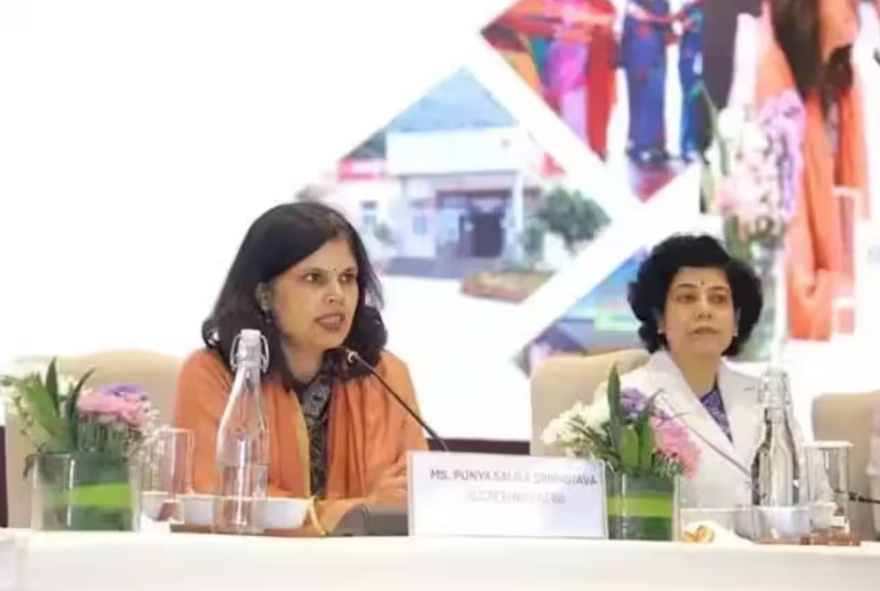
India has highlighted its progress in universal health coverage (UHC), disease control and digital healthcare during key global health meetings held on the sidelines of the 81st United Nations General Assembly (UNGA81) in New York.
At the global forum, India reiterated its commitment to making quality healthcare more accessible and affordable while presenting its experience in strengthening primary healthcare, expanding financial protection and addressing major public health challenges.
The discussions at UNGA81 focused on several important areas, including universal health coverage, viral hepatitis elimination and improved care for people living with sickle cell disease.
India Highlights Universal Health Coverage at UNGA81
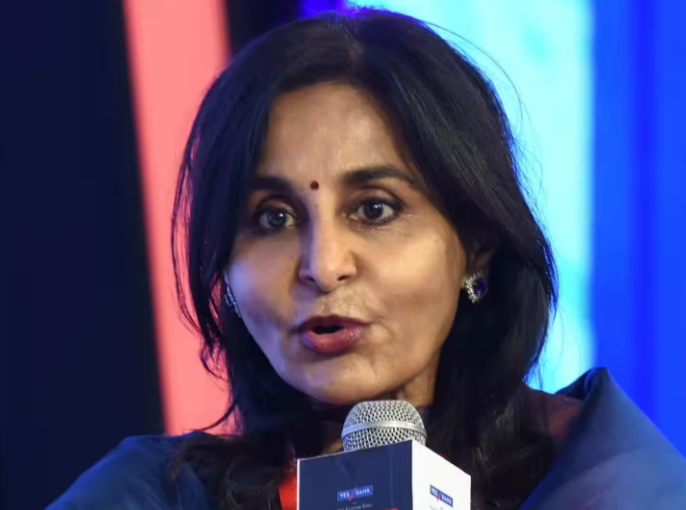
Union Health Secretary Punya Salila Srivastava participated in the Seventh Annual Ministerial Meeting of the Group of Friends of Universal Health Coverage and Global Health.
During the meeting, India highlighted its approach of strengthening healthcare across the continuum, from primary healthcare to secondary and tertiary services.
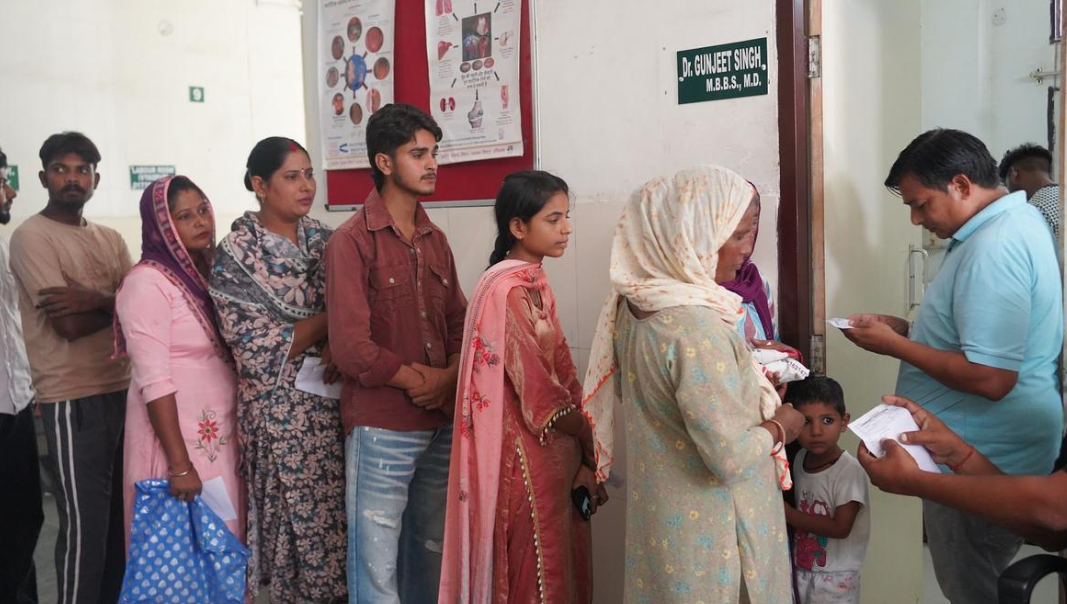
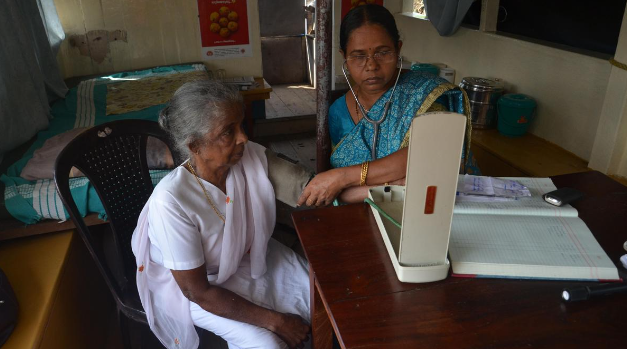
A key part of this strategy is the country’s network of Ayushman Arogya Mandirs (AAMs), which bring comprehensive primary healthcare services closer to communities.
According to India’s Ministry of Health and Family Welfare, more than 1.8 lakh Ayushman Arogya Mandirs are currently operational across the country.
The government has described these centres as an important component of India’s efforts to expand access to preventive, promotive, curative and rehabilitative healthcare.
Digital Health Becomes a Major Part of India’s UHC Strategy
India also highlighted the scale of its digital health infrastructure at UNGA81.
More than 900 million unique health IDs have been created under the country’s digital health ecosystem, according to the Health Ministry.
The government also reported that the e-Sanjeevani telemedicine platform has facilitated more than 497 million teleconsultations.
Digital healthcare is intended to help connect patients with healthcare providers and improve access, particularly for people who may face geographical or other barriers to conventional healthcare services.
India has also been expanding interoperability within its digital health infrastructure. Earlier in 2026, the government launched the Unified Health Interface (UHI) as an interoperable network designed to connect patients and healthcare providers across different digital platforms.
Ayushman Bharat Supports Financial Protection
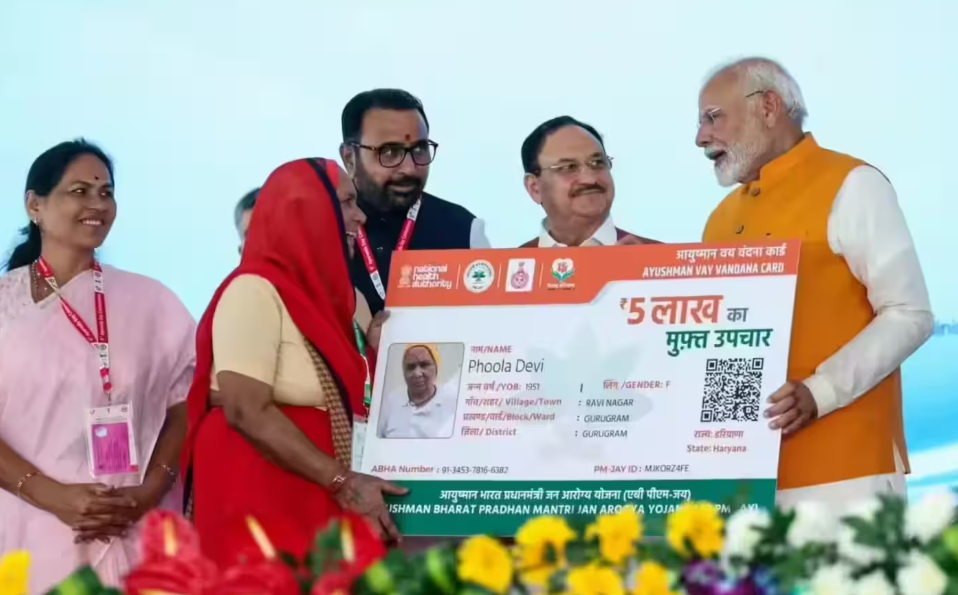
Another important component of India’s universal health coverage strategy is the Ayushman Bharat Pradhan Mantri Jan Arogya Yojana (AB-PMJAY).
The scheme provides health coverage to eligible beneficiaries and is designed to reduce financial barriers to hospital treatment.
Government data published in August 2026 showed that more than 45.5 crore Ayushman Cards had been issued, while over 12.69 crore hospitalisations had been covered under AB-PMJAY as of June 30, 2026. The scheme had more than 38,466 empanelled public and private hospitals at that time.
The government has also expanded AB-PMJAY coverage to senior citizens aged 70 years and above, regardless of socioeconomic status.
India Highlights Hepatitis Elimination Target
Disease control was another major theme of India’s engagement at UNGA81.
The country highlighted its efforts to eliminate viral hepatitis as a public health threat by 2030 under the National Viral Hepatitis Control Programme.
The focus includes prevention, screening, diagnosis, treatment and improving access to healthcare services for people affected by viral hepatitis.
India’s participation in the global discussion comes as countries work toward the broader 2030 health-related Sustainable Development Goals, including targets related to universal health coverage and disease prevention.
The World Health Organization has identified UHC, resilient health systems, pandemic preparedness and global health security among the key priorities being discussed during UNGA81
Sickle Cell Disease Gets Global Attention
India also participated in the launch of OneSCD: A Global Partnership to Advance Equity and Transform Sickle Cell Care at UNGA81.
The initiative focuses on improving access to prevention, diagnosis and treatment for people living with sickle cell disease.
India has set a national goal of eliminating sickle cell anaemia as a public health problem by 2047 through its National Sickle Cell Anaemia Elimination Mission, launched in 2023
The mission places emphasis on screening, early identification, counselling and access to appropriate care.
India’s participation in OneSCD reflects the country’s effort to connect its domestic health programmes with wider international efforts to improve sickle cell care.
Primary Healthcare Remains Central to India’s Health Strategy
The focus on Ayushman Arogya Mandirs reflects a broader shift toward strengthening primary healthcare.
Government data shows that more than 1.86 lakh Ayushman Arogya Mandirs were functional as of August 2026. These centres provide a range of primary healthcare services and are intended to bring healthcare closer to local communities.
India has also expanded its public health infrastructure for non-communicable diseases.
As of July 2026, the government reported 770 District NCD Clinics, 524 Day Care Cancer Centres, 233 Cardiac Care Units and 6,410 Community Health Centre NCD Clinics under the National Programme for Prevention and Control of Non-Communicable Diseases.
These initiatives form part of a wider approach that combines disease prevention, early detection, treatment and long-term care.
India’s Health Progress and Remaining Challenges
India’s presentation at UNGA81 highlights significant expansion in healthcare infrastructure, financial protection and digital health services.
However, universal health coverage is broader than simply increasing the number of health facilities or insurance cards. UHC also involves ensuring that people can access appropriate, quality healthcare without experiencing financial hardship.
The WHO’s 2026 regional UHC monitoring report notes that countries in the South-East Asia Region have made progress but continue to face important gaps in achieving the 2030 health targets.
For India, continued progress will therefore depend on factors such as healthcare quality, availability of trained health workers, equitable access, financial protection and effective disease surveillance.
Disease Surveillance and Health Security
India has also been strengthening disease surveillance and public health preparedness.
In July 2026, the Union Health Ministry held a national review meeting involving all 36 States and Union Territories to assess disease surveillance and public health programmes.
The meeting focused on One Health, pandemic preparedness, antimicrobial resistance and disease surveillance, with states and UTs adopting a key performance indicator framework for regular monitoring
Such measures are increasingly important as countries seek to strengthen health systems against infectious disease outbreaks and other emerging health threats.
UNGA81 Places Global Focus on Health Systems
The health discussions at UNGA81 are taking place against a wider global backdrop of health emergencies, economic pressures, climate-related risks and concerns over sustainable health financing.
WHO has identified universal health coverage, primary healthcare, pandemic prevention and preparedness, digital innovation and global health security among its key priorities during the 2026 General Assembly.
India’s participation therefore places its domestic health programmes within a broader international discussion about how countries can build more resilient and accessible healthcare systems.
Key Takeaways From India’s UNGA81 Health Showcase
- India highlighted progress in universal health coverage and public healthcare delivery.
- More than 1.8 lakh Ayushman Arogya Mandirs are supporting primary healthcare delivery.
- India’s digital health ecosystem has created more than 900 million unique health IDs.
- e-Sanjeevani has facilitated more than 497 million teleconsultations.
- AB-PMJAY continues to provide financial protection for eligible beneficiaries.
- India has set a 2030 target for eliminating viral hepatitis as a public health threat.
- The National Sickle Cell Anaemia Elimination Mission aims to address sickle cell disease as a public health problem by 2047.
- India joined global partners in launching the OneSCD partnership at UNGA81.
- Disease surveillance and pandemic preparedness remain important components of India’s public health strategy.
India’s participation in UNGA81 has placed the country’s progress in universal health coverage, digital healthcare and disease control in a global context.
The country highlighted its expanding network of Ayushman Arogya Mandirs, AB-PMJAY, e-Sanjeevani and digital health infrastructure, while also presenting its programmes for hepatitis elimination and sickle cell disease care.
The figures presented by the government demonstrate the scale of India’s health programmes, while international UHC monitoring continues to underline the importance of closing remaining gaps in access, quality and financial protection.
As global health leaders prepare for the next phase of UHC efforts toward 2030, India’s experience will remain part of the wider discussion on how large health systems can expand access while strengthening disease prevention, digital infrastructure and financial protection.