0
0
 0
0
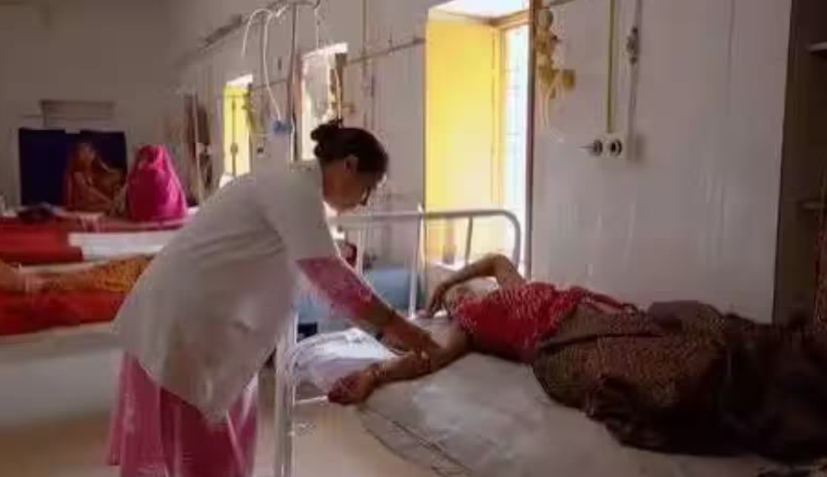
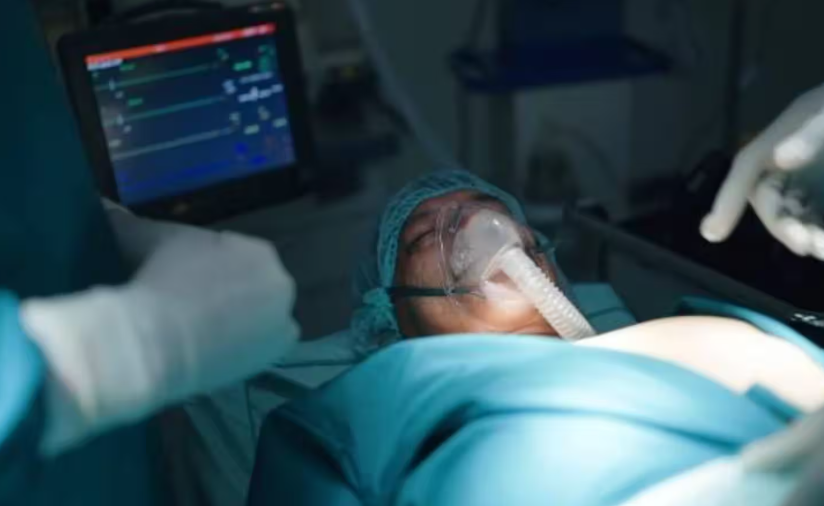
India is set to strengthen emergency and trauma care services at 160 district hospitals by March 2027, with the government targeting a 50% increase in emergency and trauma care capacity as part of the first phase of its healthcare infrastructure expansion.
The Indian government has identified 160 district hospitals for the first phase of a major programme aimed at strengthening emergency and trauma care across the country.
The initiative is part of the healthcare commitments announced under the Union Budget 2026-27 and is designed to improve the ability of district-level hospitals to handle critical emergencies, trauma cases and other time-sensitive medical conditions.
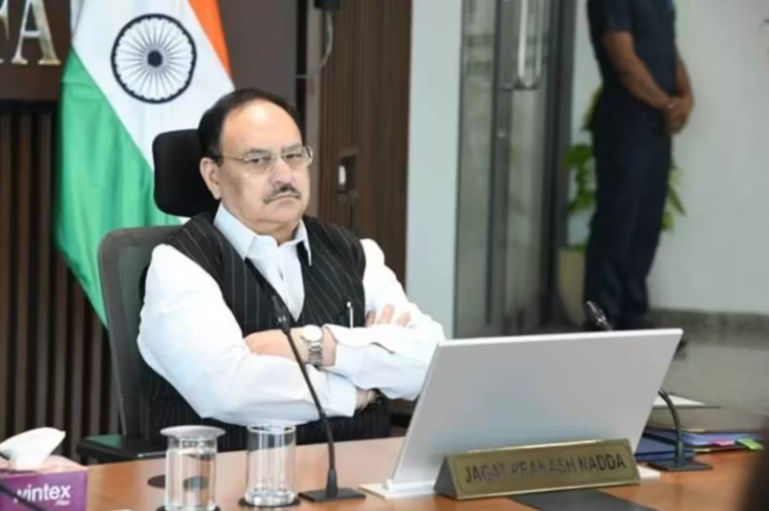
Union Health Minister J P Nadda reviewed the progress of the programme on August 27 and directed officials to ensure that implementation remains time-bound, regularly monitored and coordinated across ministries, states and healthcare institutions.
Emergency and Trauma Care Capacity to Rise by 50%
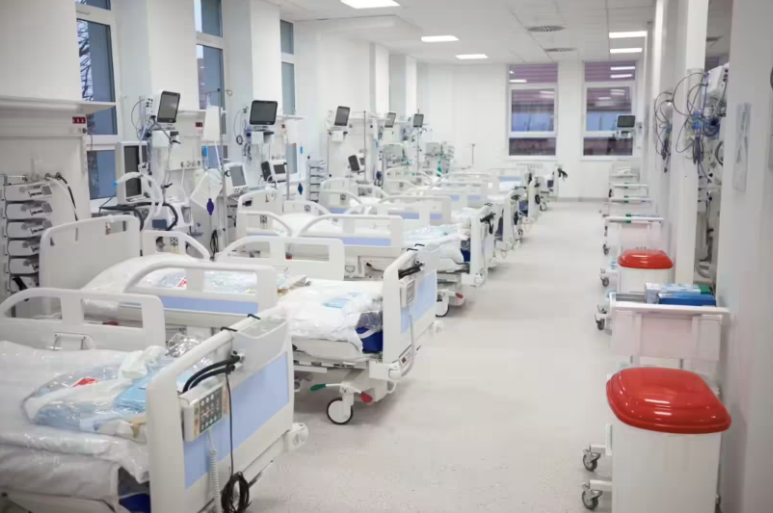
Under the programme, the government aims to increase emergency and trauma care capacity in district hospitals by 50% through the establishment and strengthening of Emergency and Trauma Care Centres.
The initiative is expected to improve the ability of hospitals to respond to patients requiring urgent medical attention, particularly those arriving with serious injuries or other life-threatening conditions.
The first phase covers 160 district hospitals, which have been selected based on factors including patient load, existing infrastructure and overall readiness. The facilities are targeted for strengthening by March 2027.
The programme could provide an important boost to emergency healthcare outside major metropolitan centres, where district hospitals often serve as critical referral points for surrounding communities.
613 District Hospitals Assessed for the Programme
The government has conducted a comprehensive gap analysis of 613 district hospitals against the Indian Public Health Standards (IPHS).
Following the assessment, the hospitals were divided into three phases based on their requirements and readiness.
The distribution is:
- Phase I: 160 district hospitals
- Phase II: 203 district hospitals
- Phase III: 250 district hospitals
The first phase has been given the most immediate deadline, with strengthening work expected to be completed by March 2027.
This phased approach is intended to allow the government to prioritize hospitals where improvements in emergency and trauma care can be implemented most effectively.
Three Committees to Oversee Key Areas
To support the programme, the Health Ministry has established three committees to examine different components of emergency and trauma care expansion.
The first committee is focusing on infrastructure, medicines, diagnostics and quality.
The second is examining human resources, academic expansion and skilling, while the third is focusing on digital architecture and pre-hospital integration.
The three areas are closely connected. Expanding hospital infrastructure alone may not be sufficient if facilities do not have adequately trained personnel, essential medicines, diagnostic services and effective systems for receiving patients before they reach hospital.
Stronger Pre-Hospital Emergency Response
The programme also places attention on pre-hospital care, an important component of emergency medicine.
For patients involved in serious accidents or suffering from acute medical emergencies, the period before reaching a hospital can have a significant impact on outcomes.
Better integration between emergency services, ambulances, digital systems and hospitals could help improve the coordination of care from the point of incident through hospital admission.
The government has therefore included digital systems and pre-hospital integration among the areas being examined as part of the district hospital strengthening programme.
Focus on Infrastructure, Diagnostics and Medicines
Improving emergency trauma care will require more than additional beds.
District hospitals will need adequate diagnostic facilities, essential medicines, equipment and systems capable of supporting patients requiring urgent treatment.
The first committee established by the Health Ministry is specifically examining infrastructure, drugs, diagnostics and quality as part of the implementation framework.
This could help hospitals address gaps that currently limit their ability to provide comprehensive emergency services.
Healthcare Workforce Also a Major Priority
The emergency-care programme is being implemented alongside broader efforts to expand India’s healthcare workforce.
The government is planning to add one lakh allied health professionals over five years across 10 disciplines, while consultations have been held with states, hospitals, industry and regulators. Funding options, including a potential public-private partnership model, are also being examined.
In addition, the government plans to train 1.5 lakh multi-skilled caregivers over the coming year through programmes aligned with the National Skills Qualifications Framework.
The combination of infrastructure expansion and workforce development is expected to be important for ensuring that upgraded hospitals can provide services effectively.
Why District Hospitals Matter
District hospitals play an important role in India’s public healthcare system.
They serve large populations and can act as a bridge between primary healthcare facilities and higher-level medical institutions.
For patients in smaller cities and rural areas, a well-equipped district hospital can reduce the need to travel long distances to major urban hospitals for emergency treatment.
Strengthening emergency and trauma services at these facilities could therefore improve access to critical care closer to patients’ homes.
March 2027 Becomes a Key Healthcare Deadline
The March 2027 deadline gives the government a clear target for the first phase of the programme.
Health authorities will need to convert planning and assessments into tangible improvements at the selected hospitals.
The government has emphasized regular monitoring and measurable outcomes to ensure that the programme progresses according to schedule.
The success of the first phase could also provide a foundation for the subsequent expansion involving another 453 district hospitals.
Broader Healthcare Transformation Underway
The district hospital programme is only one part of a broader healthcare agenda announced in the Union Budget 2026-27.
The government is simultaneously working on initiatives involving allied healthcare, drug regulation, clinical research, mental healthcare and medical value tourism.
Other plans include the proposed development of more than 1,000 accredited clinical trial sites under the Biopharma SHAKTI initiative and the development of regional medical hubs.
The initiatives indicate a broader effort to strengthen India’s healthcare infrastructure while expanding its medical workforce and research capabilities.
The Road Ahead
The immediate challenge will be ensuring that the 160 selected district hospitals achieve meaningful improvements rather than simply completing infrastructure projects.
Emergency care capacity depends on several interconnected factors, including trained staff, equipment, medicines, diagnostics, hospital beds, digital systems and pre-hospital services.
If these components are strengthened together, the programme could significantly improve India’s emergency healthcare network.
The March 2027 deadline will therefore be an important test of how quickly policy announcements can translate into improvements in frontline healthcare delivery.
India will strengthen emergency and trauma care services at 160 district hospitals by March 2027 as part of the first phase of a nationwide healthcare capacity expansion programme.
The government aims to increase emergency and trauma care capacity by 50%, with hospitals selected following an assessment of 613 district hospitals against Indian Public Health Standards.
The programme will focus on infrastructure, medicines, diagnostics, human resources, training, digital systems and pre-hospital care.