0
 0
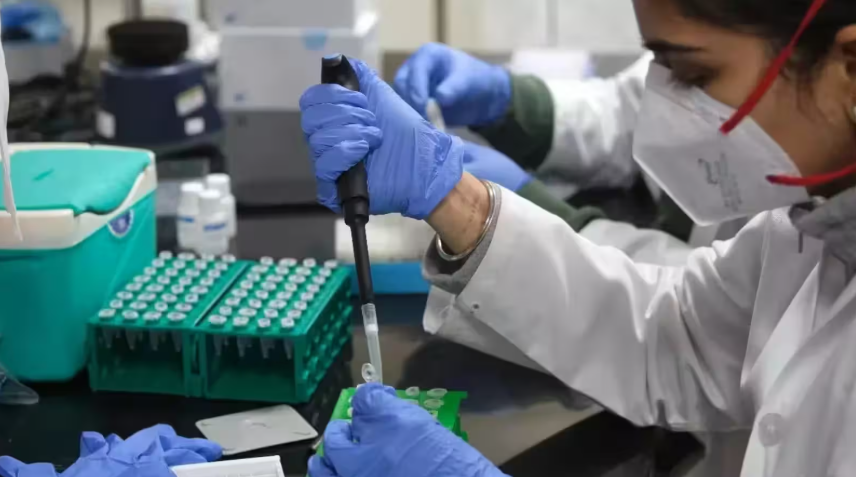
Scientists at the Institute of Advanced Virology (IAV), Kerala, are developing a Dengue Early Warning System (DEWS) designed to forecast dengue trends before cases rise significantly, potentially giving public health authorities more time to prepare preventive measures and allocate healthcare resources.
The system combines epidemiological and climate data with machine learning to generate weekly forecasts of dengue incidence at the district level. According to IAV, the model has been developed using six years of epidemiological data, covering the period from March 2020 to February 2026, together with climatic variables such as rainfall, temperature and humidity.
How the Dengue Early Warning System Works
The Dengue Early Warning System integrates health surveillance information from the State Surveillance Unit (SSU) of the Directorate of Health Services with meteorological information from the India Meteorological Department (IMD).
The machine-learning model analyses daily epidemiological and environmental parameters to identify patterns associated with dengue transmission. Each district is treated as an independent unit, allowing the system to account for local geographical and environmental characteristics.
The resulting forecasts are classified into four risk levels:
- Very high
- High
- Moderate
- Low
This district-level approach is intended to make the forecasts easier for public health officials to interpret and use when planning dengue-control activities.
Why Climate Data Matters for Dengue Forecasting
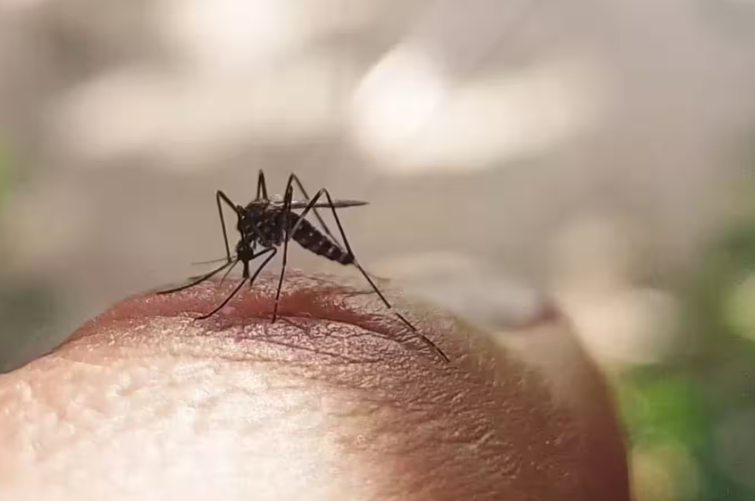
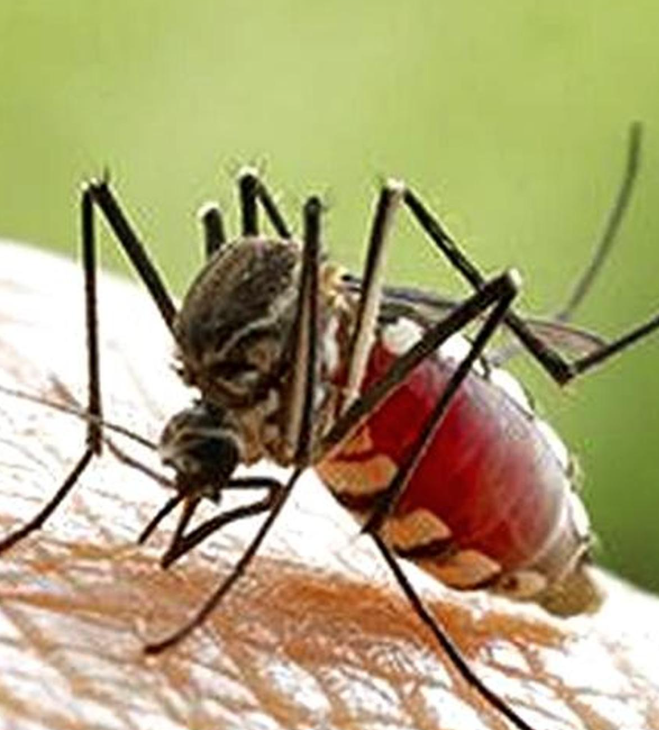
Dengue transmission is closely linked to environmental conditions because the virus is transmitted primarily by Aedes mosquitoes.
Temperature, rainfall and humidity can influence mosquito development, survival and the conditions in which mosquitoes breed. Warmer temperatures can accelerate mosquito development and affect the period required for dengue virus replication inside the mosquito. Rainfall can also create breeding habitats, although very heavy rainfall may sometimes wash away existing breeding sites.
These relationships make climate information an important component of dengue surveillance and forecasting, particularly in regions such as Kerala, where warm and humid conditions can support Aedes mosquito populations.
Early Results Show Potential for Forecasting Dengue Trends
According to IAV scientist Abhinand C.S., the dengue trends predicted by the system showed a positive correlation with actual case data from the Health Department.
Further evaluation using State Surveillance Unit data from March through July 2026 indicated the model’s potential to provide early predictions of dengue trends at the district level. However, the researchers also acknowledge that the system remains subject to limitations and requires continued evaluation and refinement.
The Institute of Advanced Virology has an established research focus on viral epidemiology, vector dynamics and public health. Its research activities include studies aimed at improving understanding of viral diseases and supporting epidemic preparedness.
Challenges in Predicting Dengue Outbreaks
Forecasting dengue is complex because transmission is influenced by much more than weather.
Factors such as urbanisation, human movement, water-storage practices, population immunity, dengue virus serotypes and changes in mosquito populations can affect transmission patterns. These factors can change from one district to another, making local forecasting particularly challenging.
Another important issue is under-reporting. Many dengue infections can be mild or asymptomatic, while differences in testing and reporting practices can influence the number of officially recorded cases.
IAV also notes that because DEWS is trained using historical data, sudden changes in climatic conditions or changes in the way dengue cases are reported could affect the accuracy of its predictions.
Annual Updates Could Improve the Forecasting Model
For DEWS to develop from a research model into a routinely used public health forecasting system, the model will require regular updates and further refinement.
IAV Director E. Sreekumar said the system would need yearly updating and could potentially be trained using additional variables in the future. Expanding the dataset and incorporating more relevant factors could help the model adapt to changing dengue transmission patterns. IIndia Live
The institute is also exploring the potential for extending disease forecasting approaches to other Aedes-borne diseases, including chikungunya and Zika.
A Data-Driven Approach to Dengue Prevention
The development of DEWS represents an effort to shift dengue surveillance toward a more proactive, data-driven approach.
Instead of relying solely on reported cases after an increase has already occurred, an early warning system can provide public health authorities with information about emerging trends. Such information may support decisions involving mosquito control, disease surveillance, public awareness campaigns and healthcare preparedness.
Kerala has already been the focus of extensive dengue research. A Government of Kerala-WHO study published in PLOS Global Public Health found substantial regional variation in dengue exposure among children and identified all four major dengue serotypes in tested samples, highlighting the complex epidemiology of dengue in the state.
With continued validation and annual updates, the Dengue Early Warning System developed by scientists at the Institute of Advanced Virology could become an important tool for understanding and monitoring dengue trends across Kerala.
The system demonstrates how machine learning, epidemiological surveillance and climate data can be brought together to support earlier identification of dengue risks and strengthen preparedness against mosquito-borne diseases.