 0
 0

Wall Street Sees Huge Opportunity in Indian Healthcare
India has a major shortage of hospital infrastructure, creating an attractive opportunity for private-equity investors.
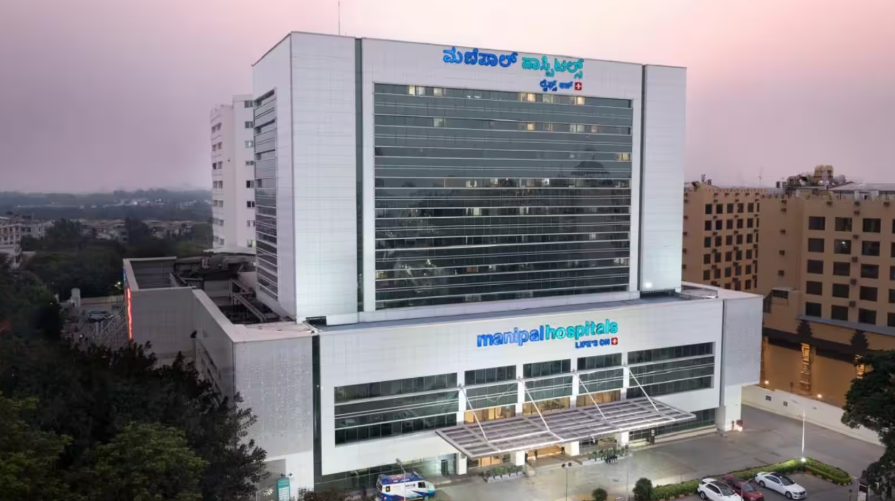
The country has roughly 1.3 hospital beds per 1,000 people, significantly below many developed markets. At the same time, demand for cancer treatment, cardiac care and other specialised medical services has been increasing as incomes rise and the population ages.
For investors, the combination of limited healthcare capacity and rising demand has created a compelling long-term investment case.
Private-equity firms have consequently invested billions of dollars in hospital chains and used acquisitions to build larger healthcare networks.
$10 Billion Investment Changes India’s Hospital Sector
According to data compiled by EY, global investors have spent about $10 billion buying stakes in Indian hospital chains over the past five years.
The investment has helped finance new hospitals, medical equipment and expansion into specialised healthcare services.
Private-equity-backed operators still represent less than 5% of India’s hospital beds, but they have a significant presence in higher-margin specialties such as cancer care and cardiac surgery.
The investment boom has also accelerated consolidation, as larger hospital groups acquire smaller and independent facilities.
The Bigger Question: Who Pays the Bill?
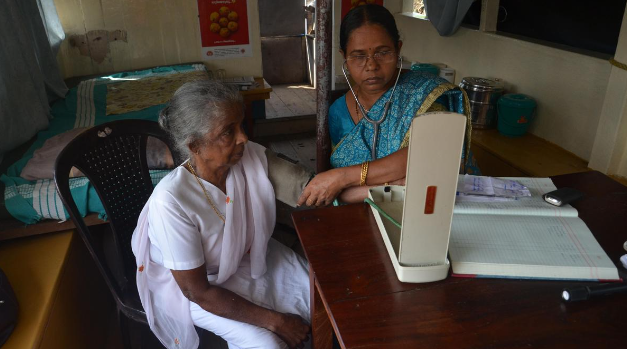
While investors have benefited from the growth of India’s private healthcare market, patients and insurers are increasingly concerned about the cost of treatment.
Private hospitals can provide sophisticated medical procedures and advanced technology, but those services can come with substantially higher bills.
According to an Indian parliamentary panel cited in the report, treatment at private hospitals costs on average five to 10 times more than in the public healthcare system, with particularly large differences in cancer care, cardiac treatment, kidney-related care and maternity services.
This has intensified the debate over whether the benefits of private investment are being balanced against healthcare affordability.
Hospitals and Insurers Clash Over Medical Costs
The growing healthcare market has also produced tensions between hospital operators and insurance companies.
Insurers argue that some private hospitals are increasing bills and encouraging expensive procedures. Hospital operators, meanwhile, say delayed insurance payments and inadequate reimbursement rates are putting pressure on their margins.
The disagreement can become especially complicated when new medical technologies are involved.
Hospitals argue that advanced equipment, robotic procedures and modern surgical techniques can improve patient outcomes. Insurers, however, increasingly want evidence that expensive procedures deliver benefits that justify their additional costs.
Robotic Surgery Becomes a Flashpoint
Advanced robotic procedures have emerged as one example of the growing dispute.
Some robotic surgeries can cost substantially more than conventional procedures. Insurers are therefore examining whether the additional expense is always matched by a proportionate improvement in clinical outcomes.
The issue highlights a broader challenge for India’s healthcare system: how to encourage innovation while preventing medical technology from becoming an additional source of financial pressure for patients.
Patients Can End Up Paying the Difference
The dispute between hospitals and insurers ultimately affects patients when a treatment is only partially covered.
A recent case cited in reporting involved a Mumbai patient who expected her health insurance policy to cover robot-assisted surgery. The insurer rejected reimbursement for the robotic component, leaving the patient to pay the difference herself.
Such disputes can be particularly difficult for families because medical treatment is often an urgent necessity rather than a discretionary purchase.
When coverage decisions are made after treatment has already been selected, patients can find themselves caught between hospitals and insurers.
India Considers Healthcare Regulation
The concerns surrounding rising hospital costs have attracted attention from Indian policymakers.
A parliamentary committee has called for greater scrutiny of foreign investment in healthcare, along with possible measures involving hospital pricing and regulation.
The committee raised concerns about what it described as an unchecked influx of foreign capital and recommended examining foreign investment rules, price caps and the possibility of establishing a dedicated hospital regulator.
The debate reflects the difficulty of balancing two competing priorities: attracting capital to expand healthcare infrastructure while ensuring that medical treatment remains accessible.
India Still Needs More Hospital Capacity
Despite concerns over healthcare costs, restricting investment could create another problem.
India continues to face a substantial shortage of hospital beds and specialised medical infrastructure. Recent analysis has estimated that India has around 16 hospital beds per 10,000 people, compared with 56 in China and 126 in Japan.
That shortage means private investment can play an important role in expanding capacity.
Global capital can provide hospitals with the resources needed to build facilities, acquire technology and expand specialist services more rapidly than would otherwise be possible.
Healthcare Investment and Affordability Must Find a Balance
The challenge for India is therefore not simply whether foreign investors should be allowed to invest in hospitals.
The bigger question is how to ensure that investment produces wider healthcare benefits without putting excessive financial pressure on patients.
India is also considering reforms to its health insurance system, including proposals to benchmark treatment rates, standardise coverage and improve the processing of insurance claims. Medical inflation has been estimated at around 12% to 14% annually, adding to concerns over affordability.
Better coordination between hospitals, insurers and regulators could help reduce disputes over treatment costs and coverage.
Private Equity Has Changed the Healthcare Landscape
The arrival of major global investors has transformed India’s private hospital sector.
Companies backed by firms such as KKR, Blackstone, TPG and Temasek have expanded through acquisitions and new investments, creating larger hospital networks and increasing competition for specialised healthcare services.
KKR, for example, has continued expanding its Indian healthcare portfolio and recently agreed to acquire the Indian operations of Swedish hospital group Medicover for $1.4 billion. The deal is expected to significantly increase KKR’s hospital-bed footprint in southern India.
For investors, India’s healthcare sector remains an attractive long-term growth market.
For policymakers and patients, however, the question is whether that growth can remain affordable.
The Future of India’s Healthcare Market
India’s hospital investment boom is unlikely to slow as demand for private healthcare continues to grow.
The $10 billion investment from Wall Street and other global investors has helped increase hospital capacity, introduce advanced technologies and accelerate consolidation.
But the debate over medical bills shows that healthcare is different from many other investment sectors. Financial returns must ultimately be balanced against patient access and affordability.
India’s challenge now is to make sure that billions of dollars in healthcare investment translate into better infrastructure and medical services without leaving patients to shoulder an increasingly expensive bill.