 0
 0
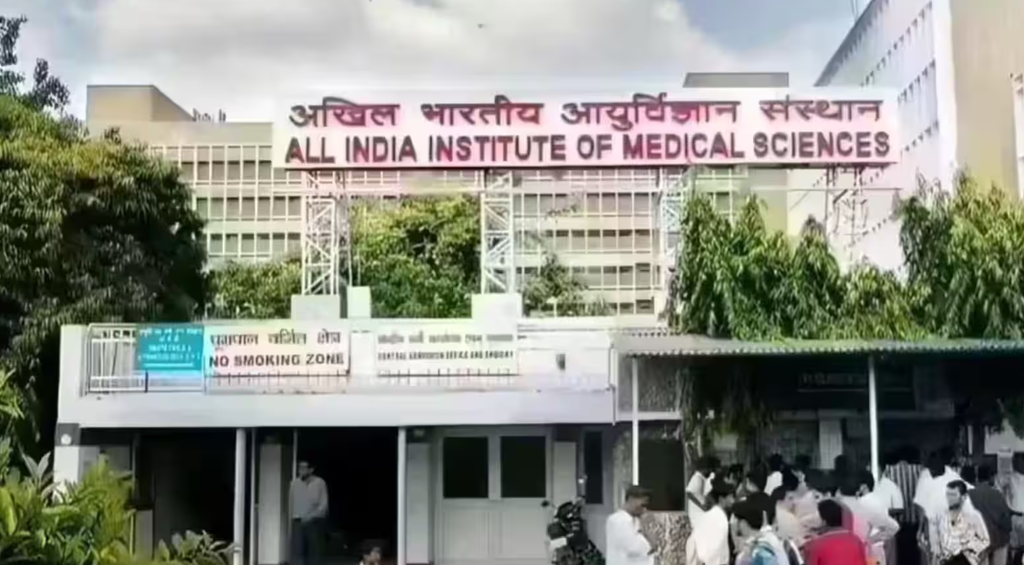
Seven MPs Nominated to New AIIMS Institute Bodies
According to the government notification, the seven MPs and the AIIMS institutions to which they have been nominated are:
- Gulam Ali — AIIMS Awantipora
- Dr. Ashok Kumar Mittal — AIIMS Bathinda
- Rajneesh Kumar Agrawal — AIIMS Bhopal
- Birendra Prasad Baishya — AIIMS Guwahati
- Madan Rathore — AIIMS Jodhpur
- Sat Paul Sharma — AIIMS Vijaypur
- I. S. Inbadurai — AIIMS Madurai
The notification states that the term of office of the nominated members will be governed by Section 6 of the AIIMS Act, 1956
What Is the AIIMS Institute Body?
The Institute Body is a statutory component of the governance structure of an AIIMS institution. It brings together representatives from the government, academia, healthcare and other relevant institutions to provide oversight and strategic direction.
AIIMS’ institutional framework includes an Institute Body as part of its statutory governance arrangements. Official AIIMS information describes the body as an important authority involved in the overall governance and policy framework of the institution.
Why the Centre Nominated MPs to New AIIMS
The latest nominations are part of the government’s broader institutional process for constituting and strengthening the governing structures of newer AIIMS facilities.
The seven institutions covered by the notification are:
- AIIMS Awantipora
- AIIMS Bathinda
- AIIMS Bhopal
- AIIMS Guwahati
- AIIMS Jodhpur
- AIIMS Vijaypur
- AIIMS Madurai
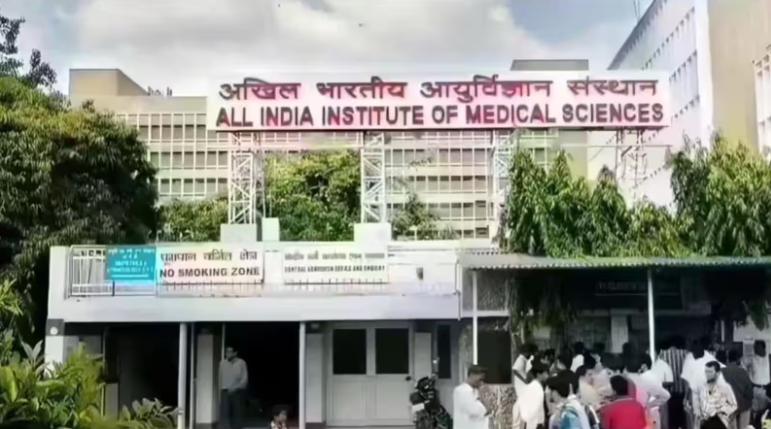
These institutions are part of India’s expanding network of AIIMS facilities intended to strengthen medical education, advanced healthcare services and research capacity across different regions.
The nominations therefore have significance not only for institutional governance but also for the continued development of healthcare infrastructure outside the country’s traditional major medical centres.
Legal Basis for the Nominations
The Union Health Ministry made the nominations under Section 4(g) of the AIIMS Act, 1956, as amended by the AIIMS (Amendment) Act, 2012.
The provision gives the Central government the authority to nominate members to the Institute Body. The latest notification, identified as S.O. 5079(E), formally records the seven nominations.
Role of MPs in AIIMS Governance
The nomination of MPs gives elected representatives a formal place within the institutional governance framework.
Their participation can provide a channel for issues concerning regional healthcare needs, institutional development and public infrastructure to receive attention within the statutory framework.
However, the precise responsibilities of each Institute Body member depend on the AIIMS Act, applicable rules and the institution’s governance arrangements. The nomination itself does not mean that the MPs will be responsible for the day-to-day administration of the hospitals.
Operational and academic functions continue to involve the respective AIIMS leadership, faculty, administrators and other statutory authorities.
New AIIMS and India’s Healthcare Infrastructure
The development of new AIIMS institutions has been an important component of India’s efforts to expand access to advanced medical education and healthcare.
New AIIMS facilities are intended to provide high-quality tertiary healthcare while also supporting medical education and research.
The establishment of effective governance structures is therefore an important step in ensuring that these institutions can develop their academic, clinical and administrative capabilities.
The latest nominations come as several newer AIIMS institutions continue to build their institutional structures and expand their services.
Analysis: What the MP Nominations Could Mean
The latest nominations can be viewed as a governance development within India’s expanding AIIMS network.
First, the appointments establish a formal connection between Parliament and the Institute Bodies of seven newer AIIMS institutions. This provides a statutory mechanism through which MPs can participate in institutional governance.
Second, the geographic spread of the institutions involved is notable. The nominations cover AIIMS facilities in Jammu and Kashmir, Punjab, Madhya Pradesh, Assam, Rajasthan and Tamil Nadu, reflecting the wider geographic expansion of the AIIMS network.
Third, effective governance will be important as newer AIIMS institutions move from establishment and infrastructure development toward expanding healthcare delivery, medical education and research.
The practical impact of the nominations will ultimately depend on how the Institute Bodies exercise their statutory responsibilities and how effectively institutional priorities are translated into improvements in healthcare, education and research.
What Happens Next?
With the nominations notified, the seven MPs will serve as members of the respective Institute Bodies in accordance with the AIIMS Act.
The institutions will continue to operate through their established statutory governance structures, involving government representatives, senior officials, medical professionals and other members as prescribed by law.
The focus will now be on the continued development of the seven AIIMS institutions, including healthcare capacity, medical education, research infrastructure and institutional administration.
The Centre’s nomination of seven MPs to the Institute Bodies of new AIIMS institutions marks another step in establishing the governance structures of India’s expanding network of premier public medical institutions.