0
 0
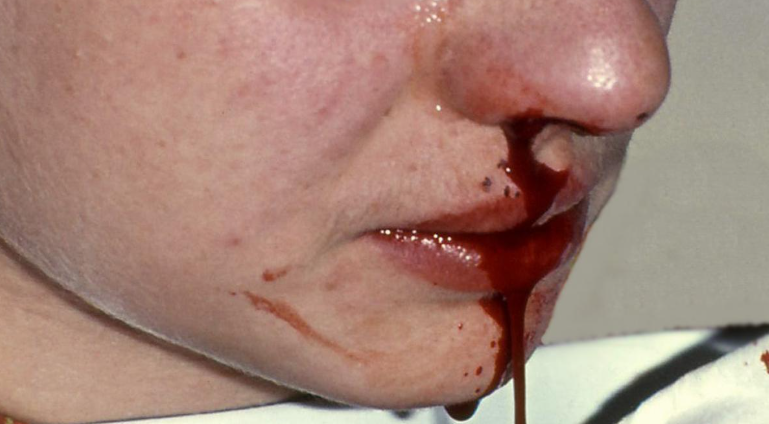
A nosebleed, medically known as epistaxis, occurs when blood vessels inside the nose break and bleed. Nosebleeds are common and can happen to people of all ages.
Most nosebleeds are not serious and can be managed at home. However, some nosebleeds may require medical attention, particularly when the bleeding is heavy, lasts for a prolonged period or occurs after a significant injury.
The inside of the nose contains many small blood vessels close to the surface. Because these vessels are relatively fragile, dryness, irritation, trauma and other factors can cause them to bleed.
What Causes Nosebleeds?
Nosebleeds can have many possible causes. In many cases, the bleeding is associated with irritation or dryness inside the nasal passages.
Common causes include:
- Dry air: Low humidity can dry and irritate the nasal lining.
- Nose picking: Scratching or damaging the inside of the nose can rupture small blood vessels.
- Forceful nose blowing: Blowing the nose too hard can cause irritation and bleeding.
- Colds and allergies: Frequent sneezing, congestion and nose blowing can irritate nasal tissues.
- Nasal injuries: A blow to the nose can damage blood vessels.
- Certain medicines: Some medicines, particularly those that affect blood clotting, can make bleeding more likely or prolonged.
- Nasal sprays: Some sprays can cause dryness or irritation when used incorrectly or excessively.
- Chemical irritants: Exposure to smoke and certain chemicals can irritate the nasal lining.
Less commonly, recurrent nosebleeds can be associated with underlying medical conditions that affect blood vessels or the body’s ability to clot blood.
Types of Nosebleeds
There are two main types of nosebleeds: anterior and posterior.
Anterior Nosebleed
An anterior nosebleed starts near the front of the nose. It is the most common type and is generally easier to control.
Blood may come from one nostril or both, although bleeding from one nostril is common.
Posterior Nosebleed
A posterior nosebleed originates deeper inside the nose. It is less common but can be more difficult to control.
Blood may flow toward the throat, and the bleeding can sometimes be heavier. Posterior nosebleeds are more likely to require professional medical treatment.
How to Stop a Nosebleed
Knowing the correct nosebleed first aid technique can help control most minor episodes.
Follow these steps:
- Sit upright and lean slightly forward. This helps prevent blood from running down the throat.
- Breathe through your mouth.
- Pinch the soft part of your nose. Use your thumb and index finger to apply firm, continuous pressure.
- Keep the pressure for about 10 to 15 minutes. Avoid repeatedly releasing your grip to check whether the bleeding has stopped.
- Spit out blood that reaches your mouth. Try not to swallow large amounts of blood.
- Once the bleeding has stopped, avoid blowing or picking your nose for several hours.
Leaning backward is not recommended because blood can run down the throat and potentially cause coughing, choking or vomiting.
What Should You Not Do During a Nosebleed?
Several common responses can make a nosebleed more difficult to manage.
Avoid:
- Tilting your head backward.
- Lying flat.
- Blowing your nose immediately after bleeding stops.
- Picking or scratching inside your nose.
- Frequently releasing pressure while the nose is still bleeding.
- Putting tissues or other objects deeply into the nostril.
If bleeding does not stop despite applying appropriate pressure, medical evaluation may be necessary.
When Should You Seek Medical Attention?
Most minor nosebleeds are not emergencies. However, medical assistance should be considered when the bleeding is severe, persistent or associated with other concerning symptoms.
Seek urgent medical care if:
- The bleeding is heavy.
- The nosebleed does not stop after sustained pressure.
- You feel faint, weak or unusually dizzy.
- You have difficulty breathing.
- The nosebleed occurs after a significant head or facial injury.
- You are taking blood-thinning medication and the bleeding is difficult to control.
- You experience repeated or unexplained nosebleeds.
- There are signs of significant blood loss.
Children with frequent nosebleeds may also need assessment by a healthcare professional, particularly if there are other symptoms.
Why Do Some People Get Frequent Nosebleeds?
Occasional nosebleeds are common, but frequent nosebleeds deserve closer attention.
Repeated bleeding can occur when the nasal lining remains dry or irritated. People who frequently pick or blow their noses may also repeatedly damage the same area.
Other possible factors include allergies, chronic nasal inflammation, certain medications and structural problems inside the nose.
In some cases, recurrent nosebleeds may be associated with problems affecting blood clotting. A healthcare professional can determine whether further testing is necessary based on the person’s symptoms and medical history.
Nosebleeds in Children
Nosebleeds are particularly common among children. Their nasal blood vessels can be easily irritated by dry air, nose picking, allergies or minor injuries.
Parents should remain calm and help the child sit upright while leaning slightly forward. The soft part of the nose should then be pinched continuously for around 10 to 15 minutes.
Children should not be encouraged to tilt their heads backward because this can cause blood to flow into the throat.
Frequent, prolonged or unusually heavy nosebleeds should be discussed with a healthcare professional.
How Can Nosebleeds Be Prevented?
Preventing dryness and irritation can reduce the likelihood of recurrent nosebleeds.
Helpful measures include:
- Keeping indoor air adequately humidified when the environment is dry.
- Avoiding nose picking.
- Blowing the nose gently.
- Avoiding unnecessary irritation of the nasal passages.
- Following instructions when using nasal sprays.
- Treating underlying allergies or nasal inflammation when advised by a healthcare professional.
- Avoiding exposure to cigarette smoke and other nasal irritants.
A healthcare professional may also recommend an appropriate nasal moisturising product for people who experience recurrent dryness.
Does High Blood Pressure Cause Nosebleeds?
High blood pressure is sometimes mentioned as a possible cause of nosebleeds. However, a nosebleed by itself does not necessarily mean that a person has high blood pressure.
Some people with high blood pressure may experience nosebleeds, but the relationship is not straightforward. A nosebleed should not be used as a way to diagnose hypertension.
People who have concerns about their blood pressure should have it measured by an appropriate healthcare professional.
Can a Nosebleed Be a Sign of Something Serious?
Most nosebleeds are caused by relatively minor irritation or injury. Nevertheless, persistent or recurrent bleeding can sometimes indicate an underlying problem.
The significance depends on factors such as the person’s age, medications, medical history, amount of blood loss and whether other symptoms are present.
A healthcare professional may examine the nose and, when appropriate, perform additional tests to determine the cause.
How Are Persistent Nosebleeds Treated?
When a nosebleed does not respond to basic first aid or repeatedly returns, a healthcare professional may use treatments designed to stop the bleeding and reduce recurrence.
Depending on the cause and location of the bleeding, treatment may include cauterisation, nasal packing or treatment of an underlying condition.
More severe posterior nosebleeds may require hospital-based treatment and monitoring.
Treatment should be determined by a qualified healthcare professional rather than attempted with objects or medications inserted into the nose without appropriate guidance.
Key Facts About Nosebleeds
Here are the most important things to remember:
- Nosebleeds are common and usually not serious.
- Dryness and irritation are among the most common triggers.
- Sit upright and lean slightly forward during a nosebleed.
- Pinch the soft part of the nose continuously for about 10 to 15 minutes.
- Do not tilt your head backward.
- Avoid blowing or picking your nose after bleeding stops.
- Heavy, persistent or recurrent bleeding may require medical evaluation.
- Nosebleeds after significant head or facial injuries should receive prompt medical attention.
Nosebleeds are common, and most episodes can be controlled with simple first aid. Dry air, irritation, nose picking, forceful nose blowing, allergies and minor injuries are among the common triggers.
The most important step during an episode is to sit upright, lean slightly forward and apply continuous pressure to the soft part of the nose.
Although most nosebleeds are harmless, heavy, prolonged, recurrent or unexplained bleeding should not be ignored. Seeking appropriate medical advice can help identify the cause and determine whether additional treatment is needed.