0
0
 0
0
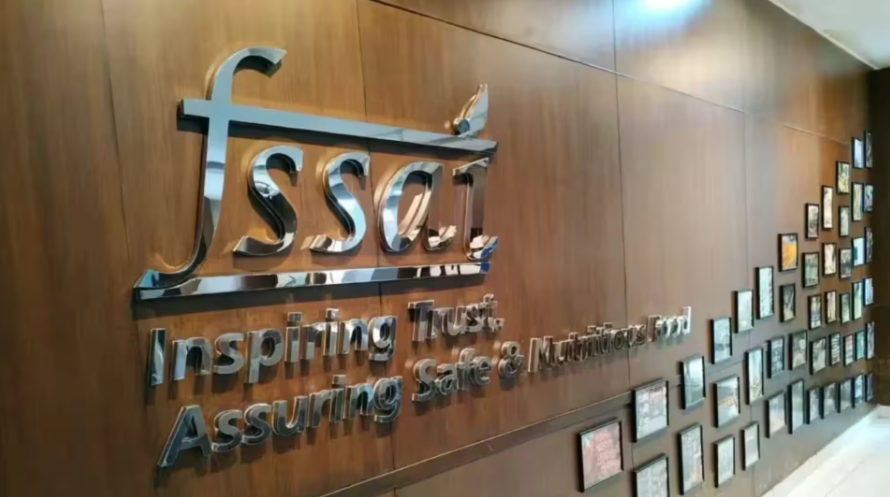
Influencer marketing has become a major part of India’s digital economy.
Consumers increasingly encounter food products through Instagram videos, YouTube content, short-form videos and other social platforms rather than traditional advertisements.
The problem arises when promotional content makes claims that consumers could interpret as factual guarantees about a product’s safety, health benefits or nutritional value.
A celebrity endorsement can make such claims appear more credible, particularly when the audience assumes that the person promoting the product has personally verified its safety or effectiveness.
FSSAI’s warning therefore represents an attempt to reinforce the principle that food advertising must remain within India’s regulatory framework, regardless of whether the promotion comes from a traditional advertising campaign or a social-media creator.
Influencers Can No Longer Treat Promotions as Casual Recommendations
One of the biggest changes in digital marketing is the blurred line between personal recommendations and paid advertising.
An influencer may present a food product as part of an apparently casual video, while the content may actually be sponsored.
For consumers, distinguishing between an independent opinion and a commercial endorsement is not always easy.
This creates an important responsibility for influencers.
When promoting food products, creators need to understand what they are endorsing and avoid making unsupported claims that could mislead consumers.
The same principle applies to celebrities.
A famous actor, athlete or public personality can dramatically increase consumer confidence in a product simply by associating their image with it.
That influence makes accurate communication particularly important.
Health and Nutrition Claims Are Especially Sensitive
Food advertising becomes even more sensitive when promotions involve health-related claims.
Statements suggesting that a food product can prevent disease, dramatically improve health or deliver specific medical outcomes can create unrealistic expectations among consumers.
The issue becomes particularly important when social-media content reaches younger audiences or consumers who may not have the expertise to distinguish scientific evidence from marketing language.
FSSAI’s broader regulatory approach is therefore aimed at ensuring that food-related claims are responsible, transparent and compliant with applicable standards.
The Rise of Influencer Food Marketing in India
India’s creator economy has expanded rapidly.
Food influencers can now attract enormous audiences by reviewing restaurants, testing packaged foods, promoting beverages or participating in branded campaigns.
For companies, influencer marketing offers a direct connection with consumers.
Instead of relying exclusively on television, newspapers or billboards, brands can work with creators who already have established relationships with specific communities.
A food influencer with millions of followers can potentially generate enormous visibility for a new product.
But this commercial power also creates regulatory challenges.
A promotional video can spread much faster than a traditional advertisement, while corrections may not reach everyone who saw the original claim.
What the FSSAI Warning Means for Brands
The warning is not only relevant to influencers.
Food manufacturers, restaurants, marketers and advertising agencies also need to pay attention.
Brands typically provide the messaging, product information and promotional material used in campaigns.
If an influencer publishes a misleading claim, responsibility may extend beyond the creator depending on the circumstances and applicable regulations.
Companies therefore have an incentive to introduce stronger review processes before publishing food-related promotional content.
This could include checking product claims, reviewing scripts and ensuring that promotional language does not go beyond what the evidence and regulations allow.
Celebrities Face a Similar Responsibility
Celebrities have traditionally played a major role in Indian advertising.
From television commercials to billboards and social media campaigns, famous personalities have helped brands establish credibility and emotional connections with consumers.
Food products are no different.
A celebrity endorsement can influence purchasing decisions because consumers often associate the personality with trust, success or expertise.
But being famous does not make someone a food-safety expert.
That distinction is increasingly important as regulators focus on misleading claims.
A celebrity promoting a food product must therefore be careful about what they say and how they present the product to the public.
Social Media Makes Enforcement More Complicated
One of the biggest challenges for regulators is the sheer volume of online content.
Traditional advertisements pass through established channels and can be easier to monitor.
Social media operates differently.
Thousands of influencers and creators can publish content every day across multiple platforms. Promotional posts can also be edited, deleted, reposted or reshared by users.
This creates an enforcement environment that is considerably more complicated.
FSSAI’s warning therefore serves another purpose: it encourages participants in the digital food-marketing ecosystem to understand their obligations before a problem occurs.
Consumer Awareness Is Also Important
Regulation alone cannot eliminate misleading food promotions.
Consumers also need to become more critical of online recommendations.
A viral food video does not necessarily mean that a product is healthier, safer or more effective than competing products.
Likewise, a celebrity endorsement should not automatically be treated as expert advice.
Consumers should pay attention to product labels, nutritional information, official claims and other reliable sources of information before making decisions.
This is especially important when promotional content involves products that make health or nutrition-related claims.
A New Era of Accountability for Influencer Marketing
The FSSAI warning reflects a broader change in digital advertising.
Influencers are no longer simply content creators.
Many have become commercial partners for major brands, meaning their responsibilities increasingly resemble those of traditional advertising personalities.
As influencer marketing becomes more sophisticated, regulators are likely to pay closer attention to the content creators, brands and agencies involved.
For the food industry, that scrutiny is particularly important because misleading information can have direct consequences for consumer health and safety.
What Influencers Should Do Next
Food influencers and celebrities can reduce regulatory risks by adopting a more careful approach to sponsored content.
They should:
- Verify the claims provided by brands before publishing them.
- Avoid making medical or health claims without appropriate evidence.
- Clearly distinguish paid promotions from independent opinions.
- Review product labels and official information.
- Avoid presenting personal experiences as universal guarantees.
- Work with brands that follow food-safety and advertising regulations.
These measures can help protect both consumers and the reputation of the creator.
FSSAI’s warning to influencers and celebrities marks an important development in India’s rapidly expanding digital food-marketing industry.
As food brands increasingly turn to social media personalities to reach consumers, the line between entertainment, recommendation and advertising is becoming increasingly blurred.
The regulator’s message reinforces a simple principle: food promotions carry responsibility, even when they appear on a social-media feed rather than in a traditional advertisement.
For influencers and celebrities, the warning is a reminder that a large audience comes with greater accountability.
For brands, it highlights the need for stronger oversight of promotional campaigns.
And for consumers, it is a reminder that popularity and celebrity endorsement should never replace careful evaluation of food-safety and nutrition information.
As India’s influencer economy continues to grow, regulatory scrutiny of food promotions is likely to become an increasingly important part of the digital advertising landscape.