0
 0
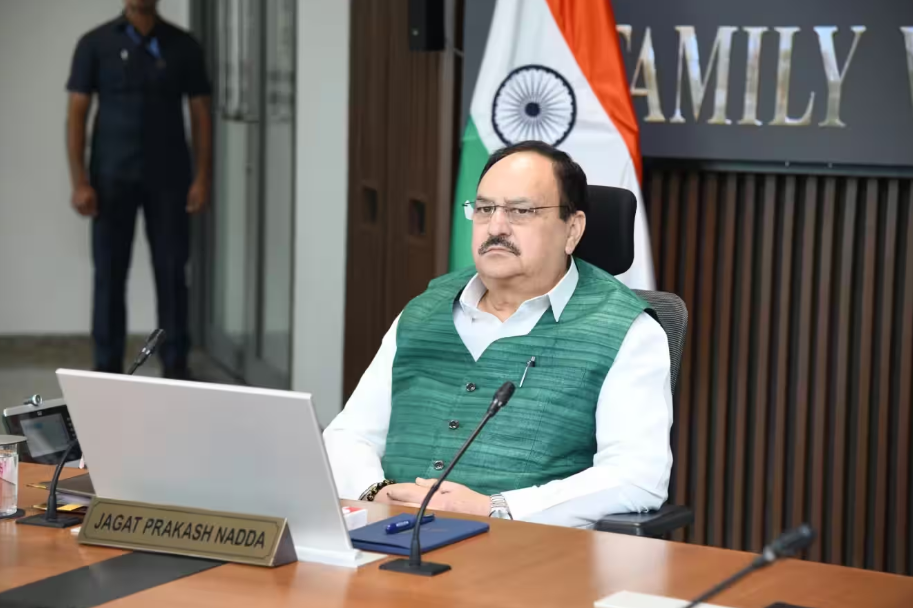
What Did J.P. Nadda Say About Healthcare Costs Before Ayushman Bharat?
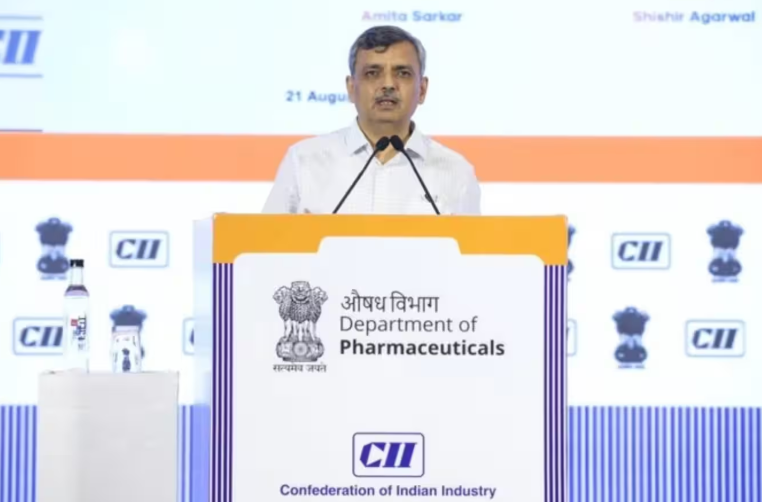
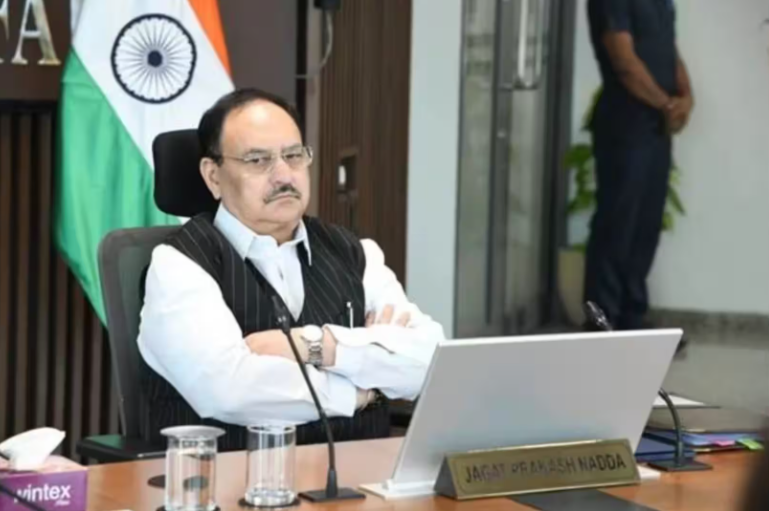
Nadda recalled his experience as an MLA beginning in 1993, saying that families seeking expensive medical treatment often had to depend on government relief funds.
He gave the example of a patient requiring bypass surgery, saying that requests were made to the chief minister for financial assistance of ₹1 lakh. According to Nadda, the number of people seeking help was large enough that officials had to consider how many patients could receive assistance.
Nadda also said families sometimes sold land or homes to finance treatment, particularly when dealing with serious diseases.
These comments were presented by the minister as an illustration of the financial pressures faced by households before the expansion of government-funded health assurance.
What Is Ayushman Bharat PM-JAY?
The Ayushman Bharat Pradhan Mantri Jan Arogya Yojana, commonly known as PM-JAY, was launched in September 2018.
The programme provides health assurance of up to ₹5 lakh per family per year for eligible economically vulnerable households. Government information describes PM-JAY as a publicly funded health assurance programme intended to protect eligible families from large hospitalisation expenses.
The scheme covers treatment through empanelled public and private hospitals and includes a range of procedures and medical conditions.
The government’s stated objective is to reduce the financial burden associated with major medical treatment and improve access to hospital-based healthcare.
How Large Has Ayushman Bharat Become?
According to figures cited by Nadda at Aarogya Manthan 2026, PM-JAY has now covered more than 60 crore beneficiaries and facilitated more than 13 crore hospital admissions. The value of treatment provided through the programme was reported at more than ₹2 lakh crore.
Government figures published earlier in 2026 reported more than 12 crore hospitalisations and treatment worth over ₹1.80 lakh crore, illustrating the continued expansion of the programme over time.
The different figures reflect different reporting dates, so they should not be treated as conflicting measurements of the same point in time.
Ayushman Bharat’s Expansion to Senior Citizens
One major expansion of the programme has involved older Indians.
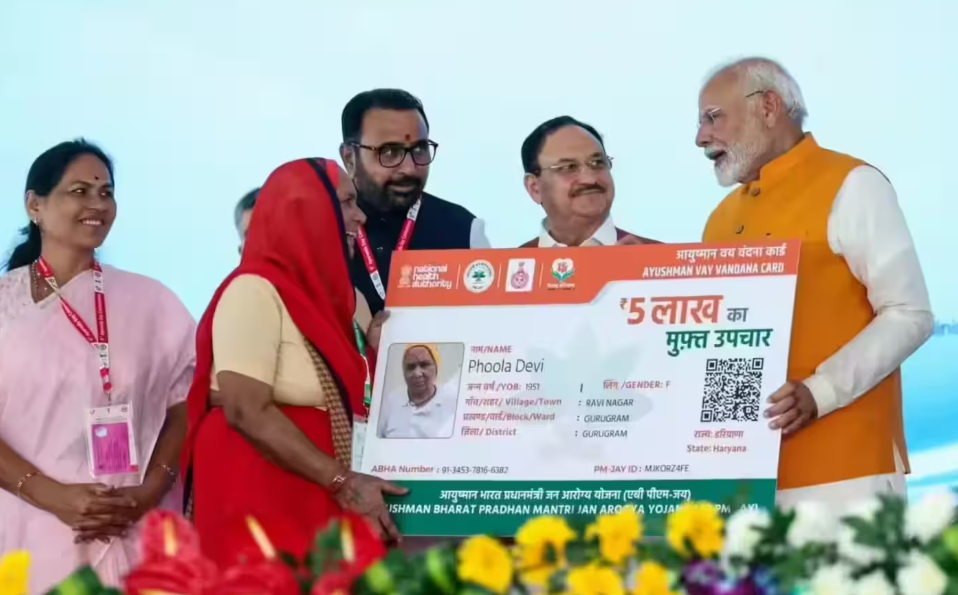
The government expanded PM-JAY in 2024 to provide coverage under Ayushman Bharat Vay Vandana to senior citizens aged 70 and above, irrespective of their socioeconomic status.
Nadda highlighted the expansion at Aarogya Manthan 2026 as part of the government’s broader effort to extend health-assurance coverage.
According to government data, more than 1.20 crore senior citizens had been enrolled under the Ayushman Bharat Vay Vandana scheme by June 5, 2026, with more than 13.84 lakh treatments reported under the programme.
Why Healthcare Financial Protection Matters
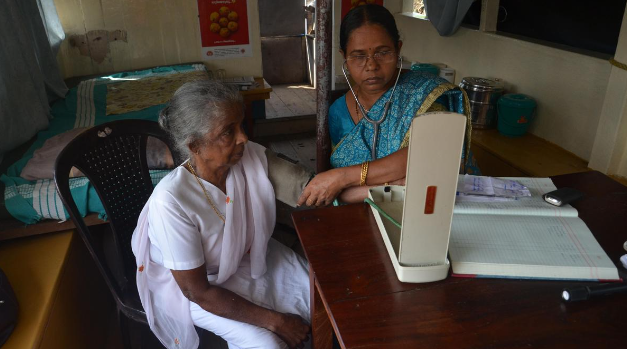
Medical treatment can create significant financial pressure when households have to pay substantial amounts directly.
This is particularly relevant for major procedures, hospitalisation and treatment of serious diseases.
Government data cited by the Press Information Bureau says India’s out-of-pocket health expenditure declined from 64.6% before 2018 to 43.4% in the latest figure cited by the government.
However, the existence of a public health-assurance programme does not mean every healthcare expense is automatically covered. Coverage depends on eligibility, treatment packages, empanelled facilities and the specific rules of the programme.
Ayushman Bharat and Cashless Healthcare
One of the important features of PM-JAY is its cashless and paperless approach for covered treatments at empanelled hospitals.
The system is designed to allow eligible beneficiaries to access covered hospital services without paying the full treatment cost upfront.
This model is particularly important for households that may not have sufficient savings to finance major medical procedures.
The Role of Portability
Another feature highlighted by Nadda is the portability of PM-JAY.
Portability allows eligible beneficiaries to access covered services outside their home state at participating hospitals. This can be particularly relevant for migrant workers and families who move between states for employment.
For a geographically mobile workforce, healthcare coverage that remains accessible outside the beneficiary’s home region can reduce one of the practical barriers to receiving treatment.
Ayushman Bharat Digital Mission and Healthcare Technology
The discussion around Ayushman Bharat is also increasingly connected with India’s digital healthcare infrastructure.
At Aarogya Manthan 2026, Nadda highlighted the progress of the Ayushman Bharat Digital Mission (ABDM).
According to figures presented at the event, more than 97.8 crore Ayushman Bharat Health Accounts (ABHAs) had been created, while more than 121 crore health records had been linked. More than 5.6 lakh health facilities and around 11 lakh healthcare professionals were also reported as registered within the ABDM ecosystem.
The government says this digital infrastructure is intended to improve interoperability, healthcare data management and access to digital health services.
National Healthcare Claims Exchange
Another initiative highlighted at Aarogya Manthan 2026 was the National Health Claims Exchange (NHCX).
The platform is intended to bring hospitals and insurers onto a common digital system for processing health insurance claims.
The broader objective is to make healthcare claims processing more standardized and digitally connected.
Nadda also highlighted initiatives involving healthcare-provider registries, digital health facilities and automated claims processing under AB-PMJAY.
What the Ayushman Bharat Numbers Tell Us
The growth of PM-JAY demonstrates the scale at which publicly funded health assurance can operate in India.
Several indicators are particularly relevant:
Ayushman Bharat and India’s Changing Healthcare Landscape
Union Health Minister J.P. Nadda has highlighted the financial difficulties faced by Indian families before the introduction of Ayushman Bharat, saying that some households had to sell land or homes to pay for treatment, particularly for serious illnesses such as cancer.
What Did J.P. Nadda Say About Healthcare Costs Before Ayushman Bharat?
He gave the example of a patient requiring bypass surgery, saying that requests were made to the chief minister for financial assistance of ₹1 lakh. According to Nadda, the number of people seeking help was large enough that officials had to consider how many patients could receive assistance.
What Is Ayushman Bharat PM-JAY?
The Ayushman Bharat Pradhan Mantri Jan Arogya Yojana, commonly known as PM-JAY, was launched in September 2018.
How Large Has Ayushman Bharat Become?
Government figures published earlier in 2026 reported more than 12 crore hospitalisations and treatment worth over ₹1.80 lakh crore, illustrating the continued expansion of the programme over time.
The different figures reflect different reporting dates, so they should not be treated as conflicting measurements of the same point in time.
Ayushman Bharat’s Expansion to Senior Citizens
One major expansion of the programme has involved older Indians.
- More than 60 crore beneficiaries have been covered, according to figures cited by Nadda in September 2026.
- More than 13 crore hospital admissions have been facilitated under the programme, according to the same update.
- Treatment worth more than ₹2 lakh crore has been provided, according to Nadda’s latest figures.
- Government data reported a decline in out-of-pocket health expenditure from 64.6% before 2018 to 43.4% in the latest cited period.
- The programme has been expanded to cover all citizens aged 70 and above under the senior-citizen component, regardless of socioeconomic status.
These figures describe the scale and reported utilisation of the programme; they do not by themselves establish that every household has experienced the same level of financial protection.
Challenges That Remain
Despite the expansion of health insurance coverage, healthcare affordability remains a broader issue.
Insurance and health-assurance programmes primarily address covered services and eligible treatments. Patients can still face expenses related to services or medicines outside the programme’s coverage, depending on their circumstances.
Healthcare access also depends on the availability of hospitals, medical professionals, diagnostics and specialised treatment.
For this reason, India’s healthcare policy challenge extends beyond insurance coverage to include healthcare infrastructure, quality, affordability, preventive care and continuity of treatment.
The Next Phase of Ayushman Bharat
At Aarogya Manthan 2026, government officials discussed the next phase of PM-JAY and ABDM, including continuity of care, patient-centred healthcare and stronger referral mechanisms.
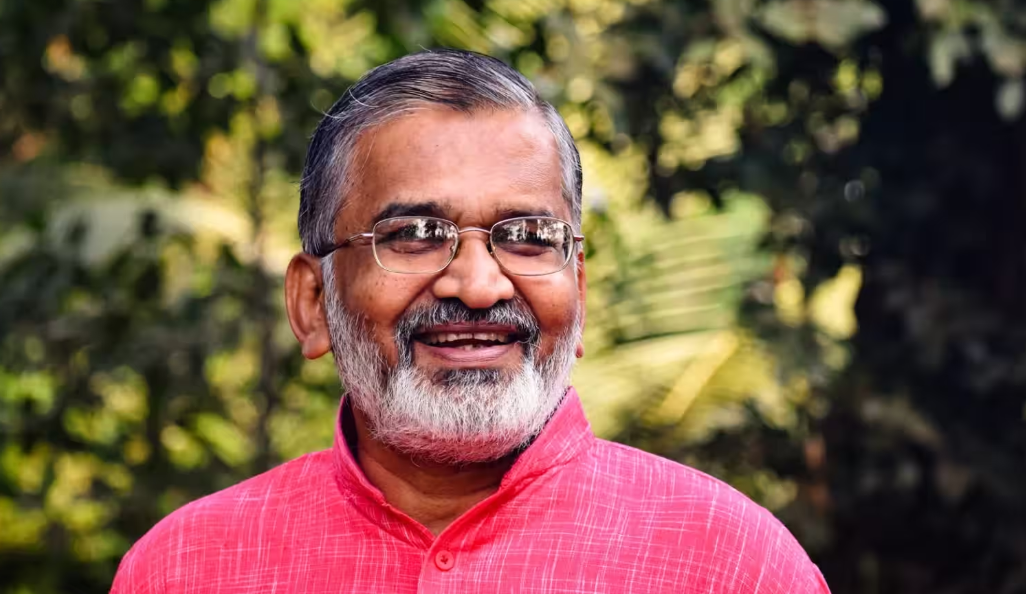
NITI Aayog’s Member (Health), Dr M. Srinivas, called for greater attention to continuity of care and seamless referrals for patients requiring specialised treatment.
The future development of the programme is therefore likely to involve more than simply increasing the number of beneficiaries. Digital health records, claims processing, healthcare quality and access to specialised services are becoming increasingly important parts of the system.
Conclusion
J.P. Nadda’s remarks about families selling homes or land to finance medical treatment highlight the financial pressures that can accompany serious illness in households without adequate health coverage.
Since its launch in 2018, Ayushman Bharat PM-JAY has expanded into a large publicly funded health-assurance programme, with government figures reporting more than 60 crore beneficiaries and over 13 crore hospital admissions by September 2026.
The programme’s expansion to senior citizens, its portability across participating hospitals and the development of the Ayushman Bharat Digital Mission represent important changes in India’s healthcare system.
At the same time, the broader healthcare challenge includes ensuring that coverage translates into accessible, quality treatment and that patients can navigate the system without facing unaffordable costs outside covered services.
The continuing evolution of Ayushman Bharat will therefore be closely linked to India’s wider efforts to improve healthcare financial protection, digital infrastructure and access to medical services.