0
0
 0
0
India’s medical education landscape is entering a new phase as some of the country’s leading technology and research institutions, including the Indian Institutes of Technology (IITs) and the Indian Institute of Science (IISc), increasingly move beyond traditional engineering and basic science education to address healthcare challenges.
The shift reflects a growing recognition that modern healthcare requires more than clinical knowledge. Artificial intelligence, biomedical engineering, medical devices, genomics, data science and advanced diagnostics are becoming increasingly important to how medicine is practised and delivered.
Institutions such as IIT Madras, IIT Kharagpur and IISc are therefore developing models that bring engineering, science and clinical medicine closer together.
IITs and IISc Bring Technology Closer to Medicine
For decades, India’s IITs have been associated primarily with engineering, technology and scientific research. Their expanding healthcare initiatives represent a significant change in how medical education can be structured.
The objective is not necessarily to replace conventional medical colleges, but to create stronger links between doctors, scientists, engineers and technology specialists.
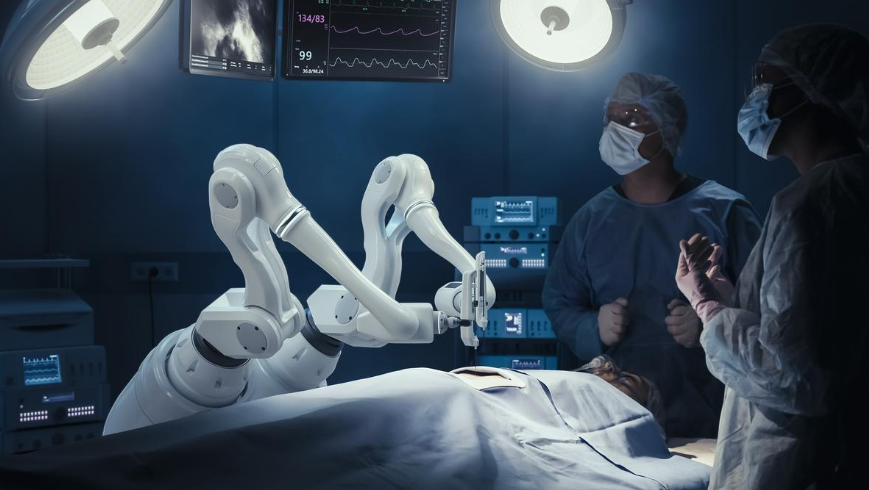
This interdisciplinary approach could help future healthcare professionals understand technologies such as artificial intelligence, medical imaging, robotics, digital health platforms and advanced medical devices.
IIT Madras, for example, has announced plans for a School of Medical Sciences, with proposals for undergraduate and postgraduate medical education. The institute has argued that interdisciplinary training is increasingly important for solving complex healthcare problems.
IIT Madras Plans a School of Medical Sciences
One of the most significant developments is IIT Madras’ move toward establishing a School of Medical Sciences.
The initiative reflects the institute’s broader emphasis on combining engineering and healthcare. According to IIT Madras leadership, the COVID-19 pandemic highlighted India’s dependence on imported medical technologies and devices, demonstrating the need to develop stronger domestic capabilities.
A medical education model within a technology-focused institution could therefore expose students to engineering and innovation alongside clinical training.
If implemented successfully, the initiative could produce doctors and healthcare researchers who are comfortable working with advanced technologies rather than simply using them as finished products.
IIT Kharagpur Has Already Built a Medical Education Ecosystem
IIT Kharagpur is not new to the intersection of medicine and engineering.
The institute established its School of Medical Science and Technology in 2001, creating a platform focused on combining medical sciences with technology and engineering.
In 2026, IIT Kharagpur applied to the National Medical Commission (NMC) to begin postgraduate medical courses. If approved, the move could make it the first IIT to offer postgraduate medical education.
The development illustrates how India’s technology institutes are gradually moving from supporting medicine through research and biomedical engineering to potentially becoming direct providers of medical education.
IISc Is Building a Physician-Scientist Model
The Indian Institute of Science in Bengaluru is taking a somewhat different but equally significant approach.
Through the Tata IISc Medical School, IISc aims to develop the next generation of physician-scientists by combining clinical medicine with interdisciplinary scientific research.
The medical school is designed to bring basic science and engineering closer to clinical research and medical practice. Its areas of interest include oncology, cardiology, neurology, nephrology, diabetes and metabolic disorders, infectious diseases, integrative medicine and public health.
This model places research at the centre of medical education, potentially allowing students and researchers to work across traditional disciplinary boundaries.
Tata IISc Medical School Signals a New Direction
The Tata Group has committed ₹500 crore to support the establishment of the Tata IISc Medical School.
The partnership between Tata and IISc is intended to create a centre of excellence focused on clinical research and medical education while using the strengths of basic science and engineering to address healthcare challenges.
The initiative represents an important development because IISc has historically been one of India’s premier institutions for science and engineering research rather than conventional clinical education.
Its entry into medical education could create a new pathway for students interested in becoming physician-scientists and researchers.
Artificial Intelligence Could Become a Core Part of Medical Training
One of the biggest reasons technology institutes are becoming more relevant to medical education is the rapid growth of artificial intelligence in healthcare.
AI is already influencing medical imaging, drug discovery, disease prediction, clinical decision support and personalised medicine.
Engineering-focused institutions have extensive expertise in machine learning, computer science, robotics and data analytics. Bringing those disciplines into medical education could help future doctors understand both the capabilities and limitations of AI-based healthcare systems.
The result could be a generation of medical professionals who are better prepared to work alongside engineers and AI researchers.
Biomedical Engineering Is Connecting Two Worlds
Biomedical engineering provides another important bridge between technology and medicine.
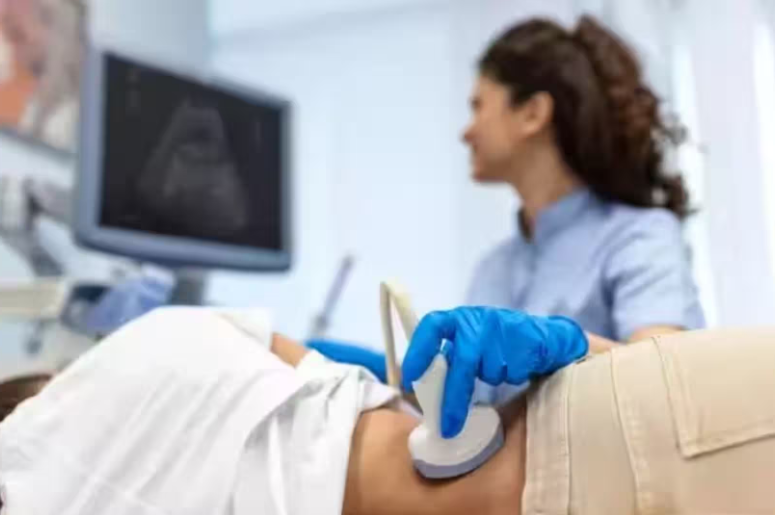
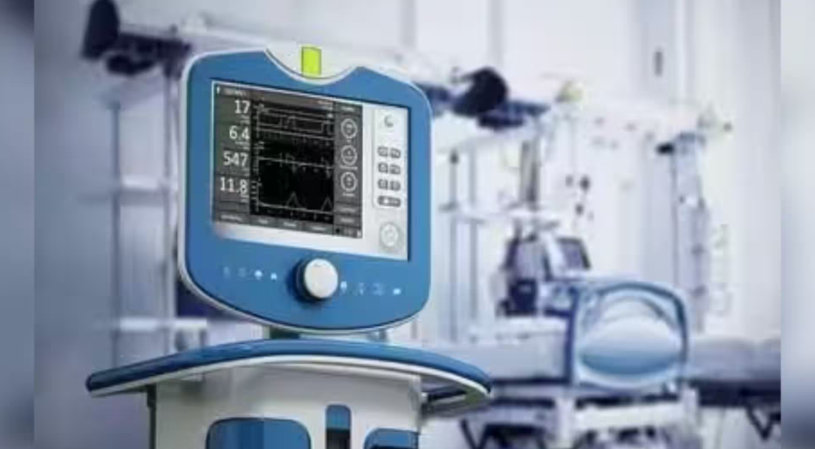
Engineers working in this field develop technologies ranging from prosthetic devices and diagnostic equipment to medical imaging systems and wearable health technologies.
Several IITs already have programmes and research centres connected to biomedical engineering and health sciences. IIT Guwahati, for example, has a School of Health Sciences and Technology that trains students for roles connected with healthcare.
This multidisciplinary environment allows engineering students to work on healthcare problems while exposing medical researchers to technological approaches.
From Treating Diseases to Designing Healthcare Solutions
Traditional medical education is primarily focused on diagnosing, treating and preventing disease.
The emerging model at IITs and IISc expands that objective by asking another question: Can healthcare problems be solved through better technology and scientific innovation?
That could mean developing cheaper diagnostic tools, improving medical equipment for rural hospitals, designing AI-assisted screening systems or creating new therapies through advanced biomedical research.
For India, where healthcare access and affordability remain major challenges, locally developed technologies could potentially have a significant impact.
Why Interdisciplinary Medical Education Matters for India
India’s healthcare system operates at an enormous scale, creating challenges that cannot always be solved through conventional medical training alone.
The country needs doctors, researchers and engineers capable of addressing problems involving healthcare delivery, technology, public health and affordability simultaneously.
IITs and IISc already have established strengths in research, engineering and innovation. Their involvement could therefore create opportunities for closer collaboration between hospitals, laboratories, technology companies and academic institutions.
The objective is increasingly to build a healthcare ecosystem rather than treating medicine and technology as separate fields.
IITs and IISc Are Not Replacing Traditional Medical Colleges
Despite the growing role of IITs and IISc, the transformation should not be interpreted as an attempt to replace India’s established medical education system.
Medical colleges remain essential for clinical training, patient care and the development of practising doctors.
Instead, the emerging model is likely to complement traditional medical education by adding stronger exposure to technology, research and innovation.
The challenge will be ensuring that new programmes maintain rigorous clinical standards while taking advantage of the interdisciplinary strengths of engineering and research institutions.
The Road Ahead for Medical Education in India
The entry of IITs and IISc into medical education could ultimately change what it means to train a doctor and healthcare researcher in India.
Future medical professionals may need to understand not only anatomy, physiology and clinical practice but also AI, genomics, medical devices, data science and digital healthcare.
At the same time, engineers and scientists could become more closely involved in solving clinical problems.
This convergence could help India build a new generation of physician-scientists, biomedical engineers and technology-driven healthcare innovators.
The growing involvement of IITs and IISc in medical education marks a major shift in India’s approach to healthcare training and research.
From IIT Madras’ proposed School of Medical Sciences and IIT Kharagpur’s long-standing medical technology programme to IISc’s Tata IISc Medical School, India’s premier technology and research institutions are creating new connections between medicine, engineering and science.
The ultimate significance of this transformation may lie beyond the classroom. By bringing doctors, engineers and scientists together, these institutions could help develop technologies and medical solutions designed specifically for India’s healthcare needs.
The future of Indian medical education may therefore become increasingly interdisciplinary — with medicine, engineering, artificial intelligence and scientific research working together to improve patient care.