0
 0
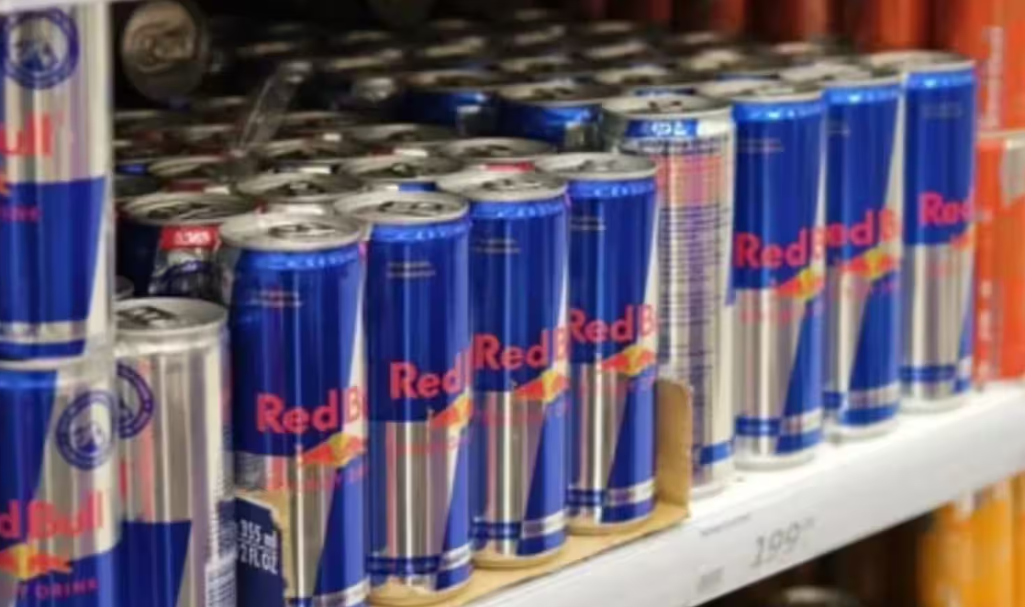
Red Bull India has challenged a Food Safety and Standards Authority of India (FSSAI) order concerning the use of the term “energy drink” on its products, bringing the dispute over energy drink labelling before the Delhi High Court.
The company argued that FSSAI had directed it to remove the “Energy Drink” descriptor without issuing a show-cause notice or giving the company an opportunity to present its case.
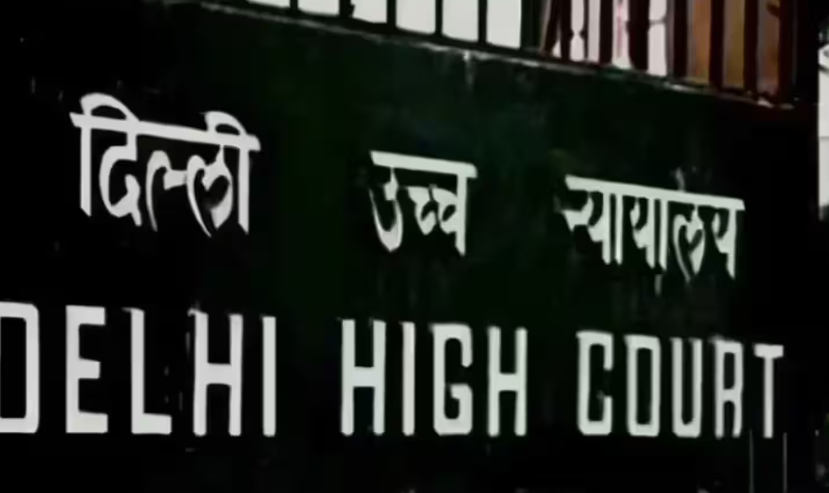
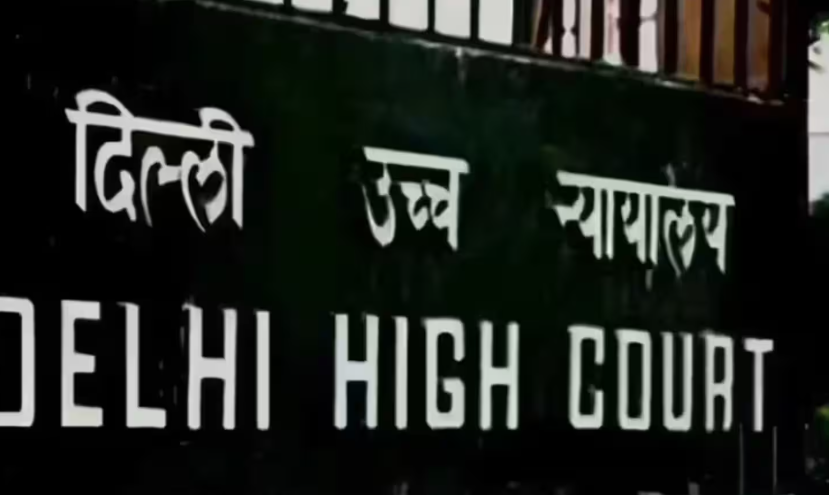
The Delhi High Court subsequently set aside the order on September 29, 2026, on the limited ground that Red Bull had not been given an opportunity to be heard. The court allowed FSSAI to reconsider the matter after following the appropriate legal process.
Delhi High Court Sets Aside FSSAI Order
Justice Amit Mahajan of the Delhi High Court allowed Red Bull India’s petition after finding that the regulator had not provided the company an opportunity to respond before issuing the order.
The court’s decision was based on principles of natural justice and procedural fairness. Importantly, the court did not make a final determination that Red Bull is legally entitled to use the term “Energy Drink” indefinitely.
Instead, FSSAI has been given the option to issue a fresh show-cause notice, hear Red Bull’s response and then take a new decision in accordance with the law
What Did FSSAI Order Red Bull to Do?
The dispute follows an FSSAI directive issued in June and subsequent communications concerning beverages marketed using the term “energy drink.”
FSSAI had directed manufacturers of certain high-caffeine beverages to stop using the term “energy” on product labels, marketing materials and advertisements. The regulator’s position was that “energy drink” was not recognised as a defined food category with corresponding standards, while certain claims associated with the products could potentially mislead consumers.
The directive affected several brands, including Red Bull, Sting, Monster, Hell Energy, Adrenaline Rush and Campa Gold Boost.
The regulator suggested that the products could instead be described as “caffeinated beverages.” Industry representatives, however, have argued that the alternative terminology is too broad and could create confusion because it may encompass a wider range of products.
Why Did Red Bull Challenge FSSAI?
Red Bull argued that it had not received a show-cause notice or an opportunity to explain its position before FSSAI issued the directive.
According to the company’s court challenge, Red Bull has marketed its products in India using the “Energy Drink” descriptor since 2002. The company also questioned the change in regulatory treatment, referring to an earlier 2024 communication that it said had allowed the use of the term for products licensed under the applicable category for caffeinated beverages.
Red Bull also argued that the sudden change created regulatory uncertainty for its business and affected its existing and planned investments in India
FSSAI’s Position on Energy Drink Labelling
FSSAI has maintained that the term “energy drink” does not represent a formally recognised food category under the relevant regulatory framework.
The regulator has also raised concerns about claims used in connection with such beverages, including statements suggesting that the drinks can “vitalise” the body and mind. FSSAI’s position has been linked to concerns over appropriate labelling and consumer information for beverages containing caffeine and other ingredients.
FSSAI’s historical regulatory material has also discussed the need for appropriate standards covering caffeine levels, ingredients, labelling and health-related claims for energy drinks.
What Does the Delhi High Court Ruling Mean for Red Bull?
The Delhi High Court’s September 29 ruling removes the specific FSSAI order challenged by Red Bull, but it does not permanently settle the broader regulatory question surrounding the “energy drink” descriptor.
FSSAI can issue a fresh show-cause notice and reconsider its position after giving Red Bull an opportunity to respond.
This means the regulatory dispute could continue even after the High Court’s decision, depending on what action FSSAI takes next.
For Red Bull, the ruling provides temporary regulatory relief because the challenged order has been set aside. For FSSAI, the decision leaves the regulator free to revisit the issue through the proper legal procedure.
Other Beverage Brands Are Also Affected
The dispute has implications beyond Red Bull because several major beverage brands have faced the same regulatory issue.
Companies associated with products such as Sting, Monster, Hell Energy and Campa have also been affected by FSSAI’s direction regarding the “energy” descriptor. Industry representatives have raised concerns about the impact of changing established product labels and marketing materials.
PepsiCo, for example, has moved to remove the word “energy” from its Sting branding in response to the regulatory requirements, according to reports.
India’s Energy Drink Market Faces Regulatory Uncertainty
The legal dispute comes as India’s energy drink market continues to expand.
Reuters reported that the country’s energy drink market is expected to reach around $1.6 billion by 2028, while the category has grown significantly in recent years. The regulatory changes therefore have implications for major beverage companies, retailers and consumers.
For manufacturers, changing packaging and advertising can involve substantial costs, particularly when products are already distributed nationwide.
For consumers, the regulatory debate could affect how high-caffeine beverages are categorised, labelled and marketed in the Indian market.
What Happens Next?
The next stage will depend on FSSAI’s response to the Delhi High Court ruling.
The regulator can issue a fresh show-cause notice to Red Bull, consider the company’s submissions and then issue a new decision. The court has not prevented FSSAI from taking further regulatory action after following due process.
The case could therefore remain important for the wider beverage industry, particularly companies selling products that have traditionally been marketed as energy drinks.
Red Bull and FSSAI Dispute Explained
The dispute can be summarised in four key points:
- FSSAI ordered affected beverage makers to stop using the “energy” descriptor on certain products.
- Red Bull challenged the order, arguing that it was not given a show-cause notice or an opportunity to be heard.
- Delhi High Court set aside the order on September 29, 2026, citing procedural fairness and natural justice.
- FSSAI can reconsider the matter, issue a fresh notice and take a new decision after hearing Red Bull.
The Red Bull-FSSAI energy drink labelling dispute has entered a new phase after the Delhi High Court set aside the regulator’s order against Red Bull India.
The court’s ruling was based on procedural grounds and does not constitute a final ruling that the “Energy Drink” descriptor is permanently permissible under Indian food regulations. FSSAI remains free to reconsider the matter after providing Red Bull with a formal opportunity to respond.
The outcome could have wider implications for India’s beverage industry, where companies including Red Bull, PepsiCo, Monster and others have been dealing with changes to the regulatory treatment of products marketed as energy drinks.
As FSSAI considers its next steps, the industry’s focus will remain on how India ultimately defines, labels and regulates high-caffeine beverages in the country’s growing drinks market.