 0
 0
Study Finds 21 Genetic Regions Linked to Endometriosis
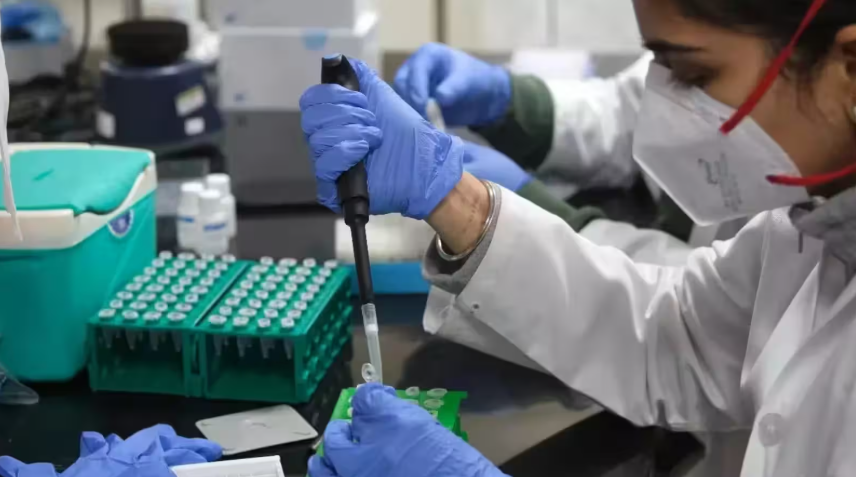
Researchers conducted a genome-wide association study (GWAS) involving 2,523 participants from across India.
The study identified 21 genetic loci with suggestive associations with endometriosis. The strongest signal was found on chromosome 13, in a region involving a long non-coding RNA and regulatory DNA near the SHISA2 gene.
Importantly, researchers describe these findings as suggestive rather than definitive. None of the 21 signals reached the strict genome-wide significance threshold when the Indian cohort was analysed on its own.
This means the study has uncovered promising genetic clues, but further research involving larger populations will be necessary to establish how strongly these regions are associated with endometriosis.
Why the Indian Study Matters
Much of the previous genetic research into endometriosis has focused on populations of European and East Asian ancestry.
The new Indian study adds valuable genetic data from South Asian women and provides researchers with an opportunity to investigate whether some genetic risk factors are shared across populations or are more population-specific.
The researchers found evidence of shared genetic susceptibility as well as potential population-specific signals. Analysis combining the Indian data with Japanese data also supported previously reported associations near WNT4 and CDKN2B-AS1.
Endometriosis Can Take Years to Diagnose
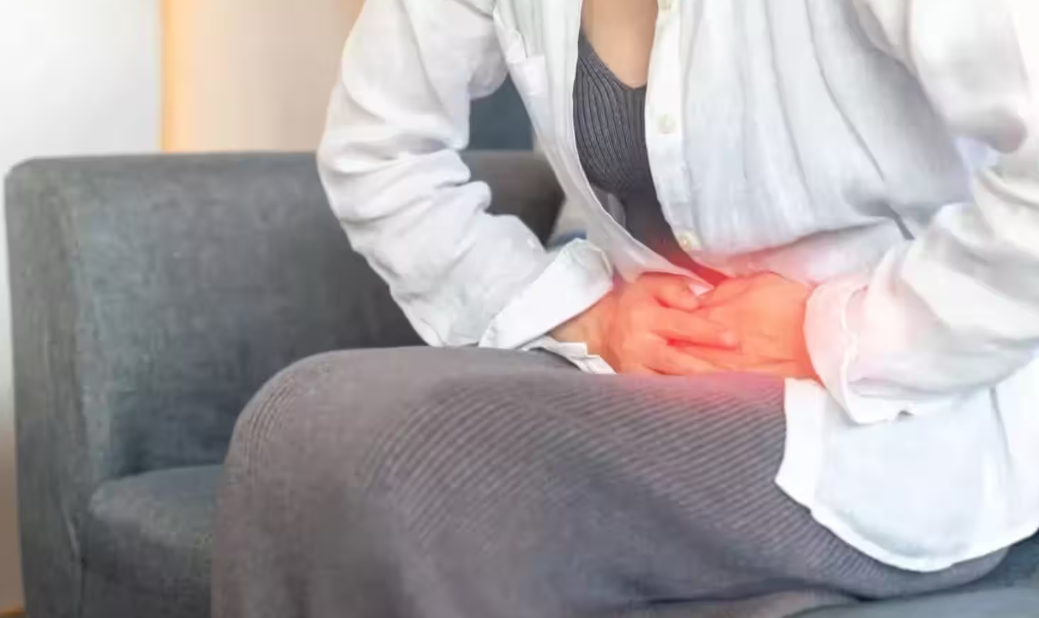
Endometriosis is a chronic gynaecological condition in which tissue similar to the lining of the uterus grows outside the uterus.
It can cause symptoms including pelvic pain, painful periods, pain during sexual intercourse and fertility problems. However, symptoms vary considerably from one person to another, and some people with endometriosis may have few or no symptoms.
The diagnostic process can therefore be complicated. Current clinical assessment can involve symptoms, physical examination and imaging, while definitive diagnosis has historically involved surgical evaluation.
The lack of a simple diagnostic test can contribute to delays in identifying the disease.
Could Genetic Markers Lead to Earlier Diagnosis?
The discovery of 21 suggestive genetic regions could eventually contribute to the development of better tools for identifying women at increased risk of endometriosis.
Researchers hope that genetic information could one day be combined with symptoms, medical history, imaging and other biological markers to improve early detection.
However, the current study does not mean that doctors can already diagnose endometriosis using these 21 genetic signals.
More research is required to validate the findings in larger and more diverse populations and to determine whether the identified regions can reliably distinguish women with endometriosis from those without the condition.
Strongest Signal Found Near SHISA2
One of the most interesting findings involved chromosome 13.
The strongest association identified in the Indian study was located in a region near SHISA2. According to the researchers, the signal was located in a non-coding region and nearby regulatory elements rather than directly within the SHISA2 gene itself.
Non-coding regions of DNA can still play important biological roles because they may influence how genes are regulated.
The finding therefore provides researchers with a potential direction for future studies investigating the biological mechanisms involved in endometriosis.
Study Could Improve Understanding of Indian Women
The study also addresses an important gap in endometriosis research.
Genetic studies based predominantly on European populations may not fully capture the genetic diversity of other populations. By examining Indian women specifically, researchers can investigate genetic signals that may have been underrepresented in previous research.
The nationwide nature of the study also allowed researchers to include participants from different geographical and social backgrounds.
That could help build a stronger genetic foundation for future endometriosis research in India.
Genetic Testing Is Not Yet Ready for Diagnosis
Despite the promising findings, experts caution against interpreting the study as evidence that genetic testing can currently diagnose endometriosis.
The 21 identified regions are research findings rather than an established diagnostic test.
The study itself indicates that further work is needed to confirm the signals and understand their biological significance.
For now, people experiencing symptoms associated with endometriosis should continue to seek medical evaluation rather than relying on genetic testing.
Future of Endometriosis Diagnosis
The long-term goal of research such as this is to make endometriosis easier to identify earlier and more accurately.
A combination of genetic markers, imaging, symptoms and other biomarkers could potentially help doctors identify the condition without relying solely on invasive procedures.
Researchers around the world are also investigating blood-based and other molecular biomarkers as possible tools for earlier diagnosis. Recent studies have highlighted the need for reliable, non-invasive approaches because diagnosis remains challenging.
The Indian genetic study adds another important piece to that research.
A Promising Step, But More Research Is Needed
The identification of 21 suggestive genetic regions represents an important step in understanding the genetic basis of endometriosis among Indian women.
The findings highlight both shared genetic factors and potential population-specific signals, while the chromosome 13 region near SHISA2 provides a particularly interesting target for future investigation.
However, the research should not yet be interpreted as the discovery of 21 confirmed “endometriosis genes” or a ready-to-use diagnostic test.
The study offers promising genetic clues that could contribute to earlier endometriosis diagnosis in the future, but larger studies and further validation will be essential before these findings can be translated into routine clinical testing.