0
 0
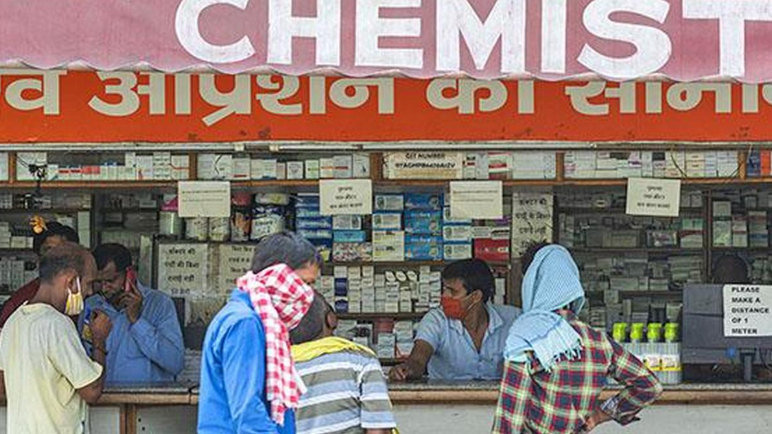
A new survey has highlighted gaps in prescription checks at pharmacies across Mumbai, with 71% of surveyed consumers saying chemists never or rarely refused to sell medicines without a doctor’s prescription.
The finding comes from a LocalCircles survey published on September 18, 2026, which collected more than 20,000 responses across its questions. The Mumbai results come at a time when authorities are considering tighter monitoring of prescription medicine sales.
The survey found that 36% of 3,697 Mumbai respondents said chemists never refused to provide medicines without a prescription, while another 35% said such refusal happened very rarely.
Only 9% said chemists refused such sales most of the time, while 5% said they always refused.
Prescription Checks Also Limited During Home Delivery
The survey found that prescription verification was also inconsistent when medicines were ordered through local chemists for home delivery.
Among 3,122 respondents, 18% said their chemist never requested a doctor’s prescription during ordering or delivery. Another 40% said a prescription was requested very rarely.
By comparison, only 23% said their chemist requested a prescription most of the time or always.
The figures are particularly relevant as consumers increasingly use telephone and WhatsApp-based ordering from neighbourhood pharmacies.
Neighbourhood Chemists Remain the Main Source of Medicines
Despite the growth of online pharmacies, neighbourhood chemists continue to be the primary source of medicines for many Mumbai consumers.
Among 3,012 respondents surveyed:
- 57% said they visited a local chemist or sent someone to purchase medicines.
- 26% ordered medicines from their chemist through phone calls or WhatsApp for home delivery.
- 17% primarily used e-pharmacy applications.
The results indicate that traditional pharmacies remain an important part of Mumbai’s medicine-distribution network.
Only 28% Reported Regular Assistance From Qualified Pharmacists
The survey also examined whether consumers were assisted by qualified pharmacists when purchasing medicines.
Only 28% of Mumbai respondents said they were assisted by a qualified pharmacist most of the time or always.
Meanwhile, 21% said they were assisted by someone who was not a qualified pharmacist.
The findings raise questions about how prescription medicines are dispensed and whether consumers consistently receive professional guidance when purchasing medicines.
Mumbai Results Compared With the National Survey
The Mumbai findings were broadly consistent with a nationwide LocalCircles survey, although the reported figures were somewhat lower at the national level.
Across India, 64% of surveyed consumers said chemists never or rarely insisted on a doctor’s prescription, while only 15% said chemists demanded prescriptions most of the time or always.
The national survey received more than 106,000 responses from consumers across 327 districts.
The survey also found that only 31% of consumers nationally said they were assisted by a qualified pharmacist most of the time or always.
Maharashtra FDA Acts Against 880 Drug Licensees
The survey findings come alongside intensified enforcement by the Maharashtra Food and Drug Administration (FDA).
Between June and August 2026, the Maharashtra FDA inspected 2,902 drug establishments, including 2,295 sales establishments and 607 manufacturing units.
The regulator initiated action against 880 drug licensees during the three-month period.
Of those cases:
- 677 licences were suspended
- 203 licences were cancelled
- 740 actions involved retailers and wholesalers
- 104 search-and-seizure operations were conducted
- Illegal drugs and cosmetics worth ₹11.41 crore were seized
- 20 FIRs were registered
- 21 arrests were made
The enforcement figures demonstrate the scale of regulatory activity involving pharmacies, retailers, wholesalers and manufacturers in Maharashtra.
What Violations Did FDA Inspectors Find?
According to the reported enforcement findings, inspectors identified several types of violations.
These included the sale of medicines without registered pharmacist supervision and the dispensing of prescription medicines without valid prescriptions.
Other issues included incomplete Schedule H1 records, sales without proper invoices, expired medicines being kept in sale stock and inadequate temperature controls for products such as insulin and vaccines.
These findings overlap with several concerns highlighted by the Mumbai consumer survey, particularly around prescription verification and pharmacist involvement.
Government Proposes CCTV Monitoring at Medical Stores
The developments also come as the Union Health Ministry has proposed stronger monitoring of medical stores that sell prescription medicines.
A draft amendment to the Drugs Rules, 1945, issued through Gazette notification G.S.R. 791(E) on September 8, 2026, proposes mandatory CCTV surveillance at retail premises supplying medicines that require a prescription.
The proposal would strengthen monitoring of the retail supply of Schedule H, H1 and X drugs.
The government has invited objections and suggestions before deciding whether to finalise the proposed amendment.
Billing Practices Also Show Gaps
The LocalCircles survey found gaps in pharmacy billing practices as well.
Among respondents, 76% said they generally received a printed GST invoice, while 3% said they received a manually prepared GST bill.
However, around 20% effectively reported not receiving a proper GST bill.
Proper billing provides consumers with a transaction record and can also help regulators track medicine sales and improve documentation.
Why Prescription Verification Matters
Prescription requirements are intended to ensure that medicines requiring professional oversight are dispensed appropriately.
When prescription checks are inconsistent, consumers may obtain medicines without consulting a doctor or qualified healthcare professional. Depending on the medicine involved, inappropriate use can contribute to medication errors, adverse reactions or other health risks.
The survey itself measures consumer experiences and does not establish the medical outcome of those purchases. However, the findings provide an indication of how frequently consumers reported being asked for prescriptions when buying medicines.
LocalCircles Calls for Stronger Pharmacy Oversight
LocalCircles said the Mumbai findings would be shared with the Maharashtra FDA, Union Health Ministry and Central Drugs Standard Control Organisation (CDSCO).
The organisation called for stronger verification of registered pharmacists, prescription checks for telephone and WhatsApp medicine deliveries and improved documentation of medicine sales.
Such measures would focus on both physical pharmacies and increasingly common remote ordering channels.
What the Mumbai Survey Reveals
The survey provides several key insights into medicine purchasing practices in Mumbai:
- 71% of respondents said chemists never or rarely refused medicine sales without a prescription.
- 36% said chemists never refused such sales.
- 35% said refusal happened very rarely.
- Only 28% reported regular assistance from qualified pharmacists.
- 57% primarily relied on neighbourhood chemists.
- 26% ordered medicines from chemists through phone calls or WhatsApp.
- 17% primarily used e-pharmacy applications.
At the same time, Maharashtra FDA enforcement between June and August resulted in action against 880 drug licensees.
The LocalCircles survey has highlighted how frequently Mumbai consumers reported being able to obtain medicines without strict prescription checks. Seventy-one percent of surveyed respondents said chemists never or rarely refused to sell medicines without a doctor’s prescription.
The findings come alongside intensified regulatory action by the Maharashtra FDA, which acted against 880 drug licensees between June and August 2026, including suspensions and cancellations of licences.
With the Union Health Ministry also considering mandatory CCTV monitoring at medical stores selling prescription medicines, the latest developments point to increased regulatory attention on prescription verification, pharmacist supervision and medicine-sale documentation across India’s pharmaceutical retail sector.