0
 0
NEW DELHI, September 17, 2026 — A fresh debate over hospital consumable pricing has emerged in India after the Maharashtra Food and Drug Administration (FDA) flagged unusually large gaps between procurement prices and printed maximum retail prices (MRPs) for commonly used medical supplies.
The Maharashtra FDA’s findings have prompted the Centre to seek a report from the National Pharmaceutical Pricing Authority (NPPA), while hospitals and healthcare industry representatives have called for a more nuanced pricing framework rather than a blanket approach to medical-device margins.
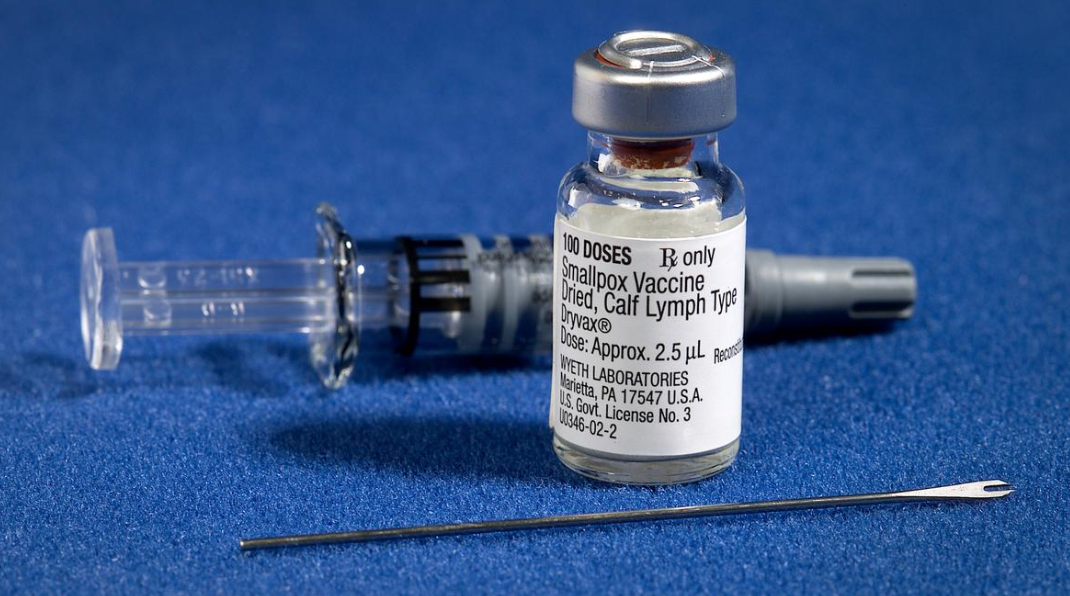
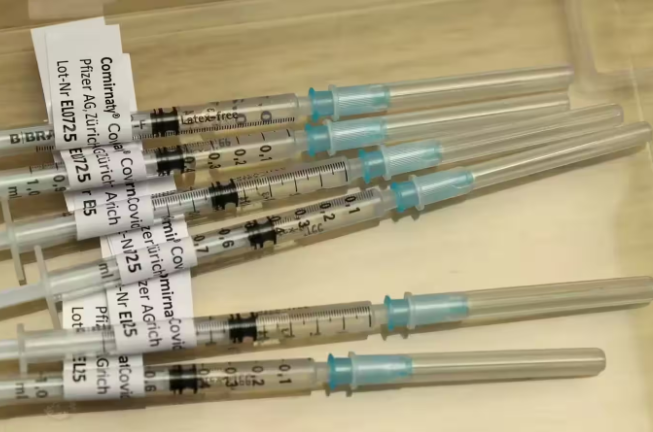
The controversy centres on items such as IV infusion sets, syringes and catheters. The Maharashtra FDA survey found that some products carried markups running into thousands of percent when their trade procurement prices were compared with printed MRPs.
However, hospital industry representatives argue that procurement cost alone does not represent the total cost involved in safely delivering medical technology to patients.
Maharashtra FDA Flags 2,841% Markup
Maharashtra FDA Commissioner Tukaram Mundhe raised concerns after a survey of hospital consumables found substantial differences between trade prices and printed MRPs.
One of the examples cited was an IV infusion set purchased at a trade price of ₹11.05 but carrying a printed MRP of ₹325. A syringe procured for ₹6.75 had an MRP of ₹57.20, while a catheter purchased for ₹29.41 carried an MRP of ₹310.
The Maharashtra FDA said the highest markup identified in the survey reached 2,841%.
These figures have triggered questions over whether the existing regulatory framework provides sufficient transparency and protection for patients who have little ability to compare prices during hospital treatment.
Importantly, the figures represent gaps between reported procurement prices and printed MRPs. They do not by themselves establish that every hospital charged patients the full printed MRP for each product.
Centre Seeks NPPA Report
Following the Maharashtra FDA’s findings, the Centre has sought a detailed report from the National Pharmaceutical Pricing Authority.
The Department of Pharmaceuticals is expected to examine the NPPA’s analysis before determining what measures, if any, should be considered to address the price discrepancies.
The development could revive discussions around Trade Margin Rationalisation (TMR) for medical devices and hospital consumables.
Unlike scheduled medicines, many medical devices and consumables do not operate under the same kind of product-specific ceiling-price regime. Existing rules do provide mechanisms for monitoring certain price increases, but they do not establish a single uniform ceiling for every category of medical device.
Hospitals Ask for a Differentiated Pricing Framework
Healthcare industry representatives have pushed back against treating all medical devices and consumables in the same way.
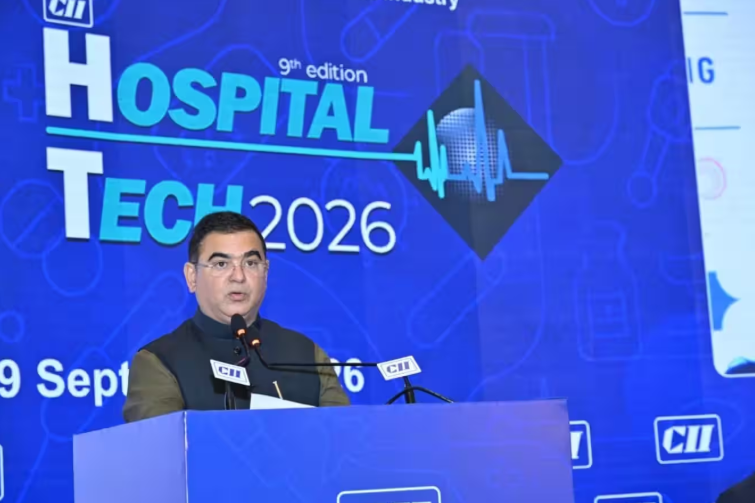
NATHEALTH has called for an evidence-based and differentiated approach to pricing, arguing that hospitals incur costs beyond the initial procurement price when making medical technologies available to patients.
Those costs can include clinical evaluation, emergency inventory, sterile-chain management, traceability, specialised infrastructure, trained clinical and biomedical staff, expiry and obsolescence risks, and regulatory compliance.
The industry body has nevertheless acknowledged that exceptionally high margins on basic, commoditised consumables warrant scrutiny.
The distinction is important because a standard syringe or IV set has a different cost structure from sophisticated medical technology that requires specialised equipment, clinical support and maintenance.
Why Procurement Price Is Not the Same as Patient Cost
Hospitals argue that the price paid to procure a medical device cannot automatically be compared with the amount eventually associated with delivering that technology safely to a patient.
For complex medical products, hospitals may have to maintain stock in multiple configurations, keep emergency inventory available, ensure sterile handling and traceability, and employ trained personnel.
Hospitals also bear risks associated with product expiry, inventory management and specialised infrastructure.
NATHEALTH said these factors should be considered when policymakers develop a new pricing framework. At the same time, the organisation said such arguments should not be used to justify extraordinarily high margins on routine consumables.
Medical Device Industry Supports Greater Transparency
The medical device industry has also backed calls for greater transparency in pricing.
The Association of Indian Medical Device Industry (AiMeD) said the findings demonstrate the need for a fair and evidence-based pricing policy.
AiMeD has argued that excessive margins can create an uneven playing field for manufacturers and distributors that maintain more transparent pricing practices. The organisation has also called for greater oversight of trade margins and clearer rules governing the relationship between procurement prices and declared MRPs.
The industry association has suggested that policymakers conduct structured price-monitoring exercises and pilot studies before implementing a broader regulatory framework.
The Patient Transparency Problem
At the centre of the debate is a major information gap.
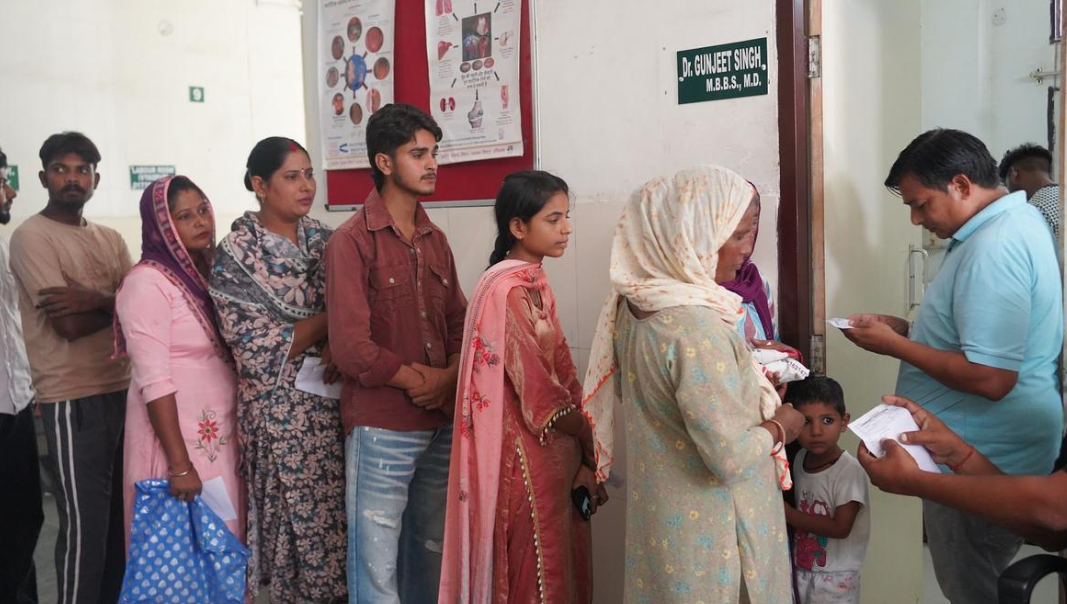
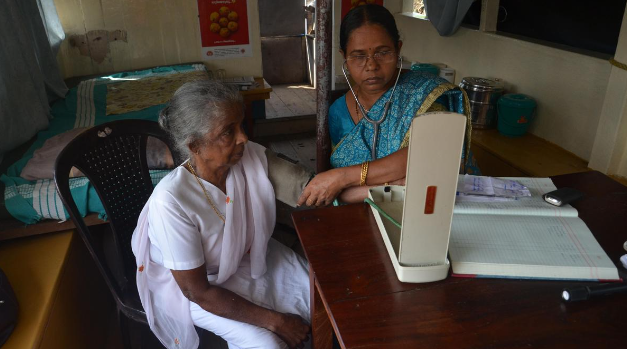
Patients receiving hospital treatment often do not choose individual syringes, catheters, IV sets or other consumables used during their care. Unlike ordinary retail purchases, there may be little opportunity to compare prices or select an alternative product.
This creates a different pricing environment from conventional consumer markets.
Maharashtra FDA Commissioner Tukaram Mundhe has argued that patients can have limited information about the underlying cost of consumables included in hospital bills, making transparency an important component of any future regulatory framework.
How India’s Medical Device Pricing Rules Work
India already has regulatory mechanisms for certain medical devices.
The Drugs (Prices Control) Order, 2013, provides price-control mechanisms for scheduled medicines and allows regulatory intervention for specified medical devices. The government has previously imposed direct controls on categories including coronary stents and knee implants.
During the COVID-19 pandemic, trade-margin rationalisation was also used for certain medical devices, including oxygen concentrators and other products.
However, a comprehensive margin framework covering the wider range of hospital consumables has remained a subject of policy discussion.
The current controversy could therefore push the government to revisit how pricing transparency and trade margins are regulated across different categories of medical technology.
What a New Pricing Framework Could Look Like
A potential regulatory framework would have to balance several competing objectives.
First, policymakers would need to improve transparency so that patients can better understand the prices of medical products appearing on their hospital bills.
Second, any rules would need to account for differences between basic commodities and sophisticated medical technologies.
Third, manufacturers, distributors and hospitals would need sufficient financial incentives to maintain product availability, quality, safety and reliable supply chains.
Industry representatives have therefore argued that a differentiated pricing system could be more appropriate than applying a single margin rule to every medical device.
Such a framework could potentially classify products according to factors including complexity, clinical use, supply-chain requirements and the level of infrastructure needed for safe delivery.
Why High Hospital Consumable Markups Matter
The debate comes at a time when medical expenses and out-of-pocket healthcare spending remain important concerns for Indian households.
Even relatively inexpensive individual consumables can become significant when used repeatedly during hospitalisation or when combined with other treatment costs.
For patients, the key issue is therefore not simply the procurement price of an individual product but whether the final charge is transparent, understandable and reasonably connected to the costs involved in delivering care.
The Maharashtra FDA findings have brought this issue into sharper focus.
The Regulatory Debate Moves to the Centre
The Centre’s decision to seek an NPPA report means the issue is now moving beyond Maharashtra.
The report could provide the government with a broader assessment of the price gaps identified in the state survey and help determine whether changes are needed in existing medical-device pricing rules.
Any regulatory action is likely to require consultation with hospitals, manufacturers, distributors and other healthcare stakeholders.
The challenge will be to address potentially excessive margins without creating unintended consequences such as reduced product availability, weaker investment incentives or difficulties in maintaining specialised medical technology.
Hospitals and Regulators Face a Balancing Act
The emerging debate does not necessarily represent a simple conflict between hospitals and regulators.
The Maharashtra FDA is highlighting large differences between procurement prices and declared MRPs, while hospitals and healthcare organisations are emphasising the broader costs associated with delivering medical technology safely.
Both aspects will be relevant if India moves toward a new pricing framework.
Basic consumables with limited clinical differentiation may require a different regulatory approach from sophisticated devices that involve significant infrastructure, inventory and technical support.
What Happens Next?
The immediate next step is the NPPA’s assessment of the Maharashtra FDA findings.
The Centre will then review the analysis and consider possible policy responses.
Potential measures discussed by regulators and industry include clearer guidelines on permissible price gaps, stronger price monitoring, trade-margin rationalisation and greater transparency in hospital billing.
Any final framework would need to determine how different categories of medical devices should be treated while ensuring that patient safety and product availability are not compromised.
The controversy over hospital consumable markups in India has intensified after the Maharashtra FDA identified major gaps between procurement prices and printed MRPs for products such as IV sets, syringes and catheters.
The most striking example cited by the regulator was an IV infusion set with a ₹11.05 trade price and a ₹325 printed MRP, while the overall survey found markups of up to 2,841% in some cases.
The findings have prompted the Centre to seek an NPPA report and could revive efforts to rationalise medical-device trade margins.
At the same time, hospitals and healthcare industry representatives are calling for a differentiated, evidence-based framework. They argue that procurement prices do not capture all costs associated with safely delivering medical technology to patients, particularly for complex devices.
The policy challenge now is to improve medical device pricing transparency and patient protection while ensuring that hospitals and healthcare providers can maintain the infrastructure, technology, inventory and skilled workforce required for safe patient care.