0
 0
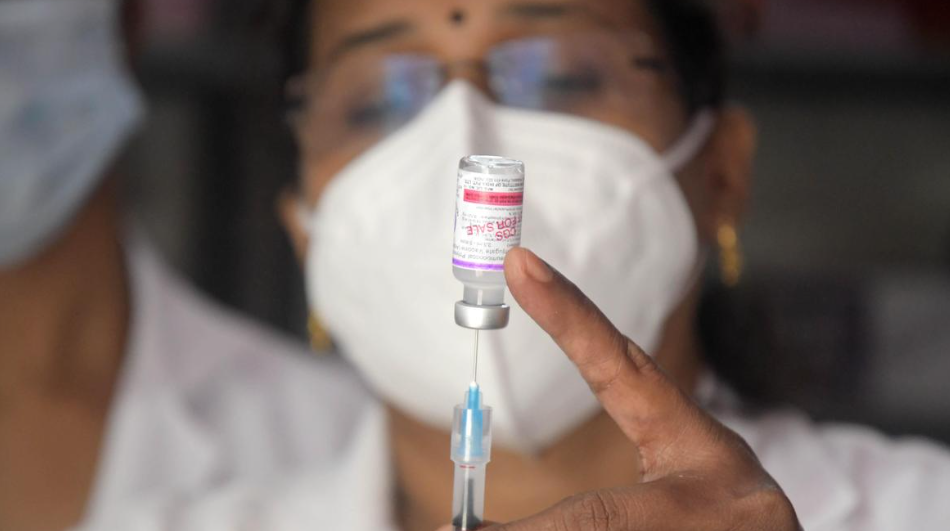
Delhi, India — As winter approaches, families in Delhi often focus on protecting children from seasonal infections and worsening air pollution. But there is another group that deserves equal attention: grandparents.
Older adults, particularly those aged 65 and above and those living with conditions such as diabetes, heart disease or chronic lung disease, face a higher risk of serious complications from seasonal influenza. Young children are also among the groups at increased risk. For families living under the same roof, protecting both generations can therefore be an important part of preparing for the winter respiratory season. The World Health Organization (WHO) specifically identifies older adults and young children among groups that should receive priority for seasonal influenza vaccination.
Why Delhi’s Winter Makes Respiratory Protection Important
Delhi’s winter is not simply a change in temperature. Weather conditions during the colder months can contribute to the accumulation of air pollutants, while respiratory viruses can circulate in communities and households.
The Delhi government’s Environment Department notes that winter pollution episodes are influenced by factors including calm atmospheric conditions, temperature inversion and biomass burning in the wider National Capital RegionEnvironment Department
Research has also found an association between air pollution and respiratory health in Delhi. A study examining pollution and respiratory hospital visits found that respiratory-related hospital visits increased during winter and autumn, while another study involving children in Delhi reported more emergency visits for acute respiratory symptoms on days with higher pollution levels.
Vaccination cannot prevent the health effects of air pollution. However, it can reduce the risk of certain vaccine-preventable respiratory infections, particularly influenza. That distinction is important when families plan their winter health precautions.
Why Grandparents Should Not Be Left Out
As people age, the immune response to infections can become less effective. This is one reason older adults are at greater risk of severe influenza and its complications.
WHO identifies people over 65 as a high-risk group for seasonal influenza. Influenza can be particularly serious when an older person also has an underlying condition such as diabetes, cardiovascular disease, chronic respiratory disease or a weakened immune system.
For families, this means that a vaccination conversation should not stop after children’s immunizations are checked.
A grandparent who lives with school-going children may be exposed to infections brought home from school, social activities or public spaces. The reverse can also happen: children and adults can be exposed to infections circulating among older family members.
Vaccination is not a guarantee that someone will never become infected. However, WHO describes seasonal influenza vaccination as the best available tool for preventing influenza and reducing the risk of severe disease.
Children and Grandparents Share the Same Household Risk
The idea of vaccinating children and grandparents together is less about one generation protecting the other through a single vaccine and more about creating a broader household layer of protection.
Children younger than five are among the groups WHO identifies as being at increased risk from severe influenza. Older adults, particularly those over 65, are also a priority group.
This becomes particularly relevant in multigenerational households, where grandparents, parents and children may share bedrooms, meals, living spaces and daily routines.
If a child develops influenza, close household contacts may be exposed. Likewise, an infected adult can transmit influenza to children. Vaccinating eligible members of the household can therefore be considered as part of a wider respiratory-health strategy, alongside ventilation, hand hygiene and staying home when sick.
Air Pollution Is Another Reason to Think About Winter Health
Delhi’s air pollution adds another layer to the winter health picture.
Air pollution is associated with respiratory and cardiovascular health problems, and WHO identifies children and older people among those who can be particularly vulnerable to its effects. 1
Importantly, influenza vaccination does not protect people from PM2.5, PM10 or other air pollutants. Families should therefore avoid treating vaccination as a substitute for pollution precautions.
During periods of poor air quality, families can follow official air-quality advisories, reduce exposure to heavily polluted outdoor environments when appropriate, improve indoor ventilation when outdoor conditions permit, and follow medical advice for existing respiratory or cardiovascular conditions.
Vaccination addresses one risk; air-quality measures address another.
Which Vaccines Should Grandparents Discuss With Their Doctor?
There is no single vaccination schedule that is appropriate for every older adult. Vaccine recommendations can depend on age, previous vaccination history, medical conditions, medications, travel, local recommendations and vaccine availability.
For seasonal influenza, WHO recommends annual vaccination for high-risk groups including older adults and people with chronic medical conditions. Influenza vaccines are updated because circulating influenza viruses change, and protection can decrease over time.
Grandparents should also ask a qualified healthcare professional to review whether they are up to date with other vaccines that may be appropriate for their age and health status, rather than assuming that the same vaccines are needed for every person.
For children, parents should similarly check the child’s age-appropriate immunization record. India’s National Immunization Schedule provides routine childhood vaccines at specified ages, including vaccines against diseases such as polio, measles-rubella and pneumococcal disease where applicable.
What Families Can Do Before Winter
A practical winter health checklist for Delhi families can include:
Why Delhi’s Winter Makes Respiratory Protection Important
- Review children’s vaccination records and confirm that routine vaccinations are up to date.
- Ask grandparents about seasonal influenza vaccination, particularly if they are over 65 or have chronic health conditions.
- Discuss additional adult vaccines with a doctor based on age, medical history and previous vaccination.
- Monitor Delhi’s air-quality advisories during periods of severe pollution.
- Improve ventilation when outdoor air conditions allow, particularly in crowded indoor settings.
- Encourage hand hygiene and respiratory etiquette during the respiratory-virus season.
- Keep sick family members away from vulnerable household members when possible.
- Seek medical attention promptly if an older adult or young child develops severe or worsening respiratory symptoms.
Vaccination Is Part of a Bigger Winter-Health Plan
The most useful way to think about winter vaccination is not as a replacement for other precautions, but as one layer of protection.
For Delhi families, the winter months can bring a combination of respiratory-virus exposure, indoor crowding and periods of poor air quality. Older adults and young children are among the groups that deserve particular attention because they can face a higher risk of complications from influenza and other respiratory illnesses.
That makes the annual family health check an appropriate time to look beyond children’s vaccination cards and ask whether grandparents are also protected against vaccine-preventable diseases relevant to their age and health.
The exact vaccines and timing should be decided with a qualified healthcare professional. But the principle is straightforward: winter preparedness should include every generation living under the same roof — especially those most vulnerable to severe illness.