0
0
 0
0
Medicover India is targeting profitability across all 25 of its hospitals within the next 18 months, as the healthcare group looks to increase occupancy, expand specialised services and improve operating efficiency.
The Swedish healthcare provider’s India business currently has 19 profitable hospitals out of a network of 25, according to Medicover India Executive Director Harikrishna P. The company expects its core profit margin to rise to 20–25% from around 14% currently over the next 12 to 18 months.
The ambitious target comes at a significant moment for the company, following KKR’s agreement to acquire Medicover’s India business for €1.2 billion ($1.4 billion), subject to regulatory approvals.
Medicover India Targets Profitability for All 25 Hospitals
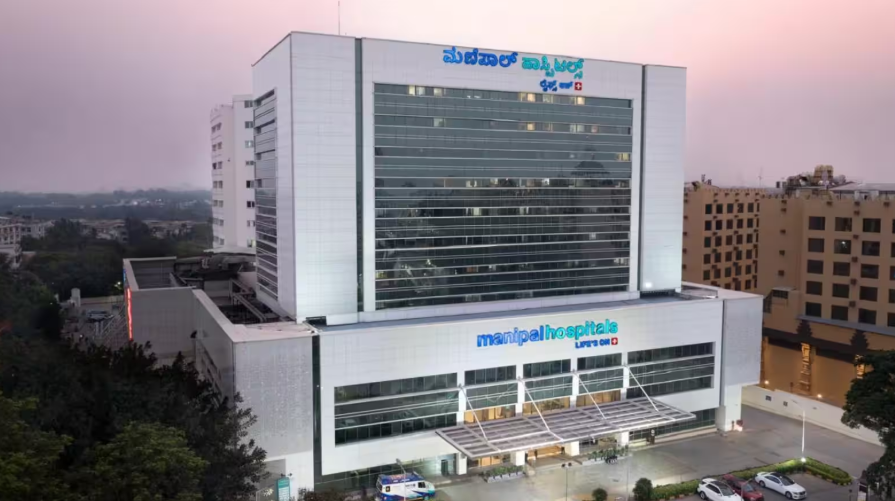
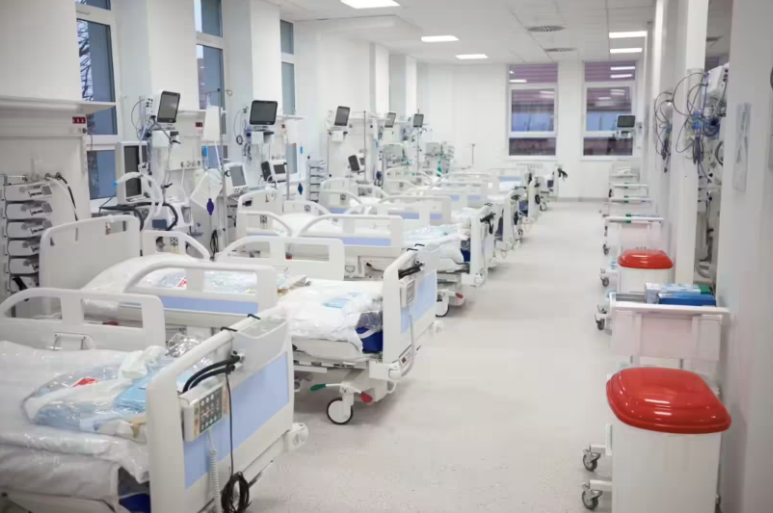
Medicover currently operates 25 hospitals in India, with an overall capacity of around 6,000 beds.
While most of the network is already profitable, several newer facilities are still in the process of reaching maturity. Harikrishna said newer hospitals typically require around 12 to 18 months to reach break-even, making occupancy growth a critical part of the company’s profitability strategy.
The company believes that increasing patient volumes and growing demand for specialised healthcare services will help its newer hospitals move toward profitability.
This strategy could allow Medicover India to improve its consolidated financial performance as more facilities mature.
EBITDA Margins Could Rise to 20–25%
One of the most significant financial targets is Medicover India’s plan to increase its EBITDA margin from approximately 14% to between 20% and 25%.
According to company management, the improvement will be driven largely by higher occupancy and the maturation of recently opened hospitals.
The company expects occupancy of approximately 3,000 beds to support margins of 20–25%, compared with roughly 2,500–2,600 occupied beds currently, according to the Economic Times report.
Higher occupancy allows hospitals to spread fixed costs across a larger patient base, potentially improving profitability as facilities operate closer to their designed capacity.
Hospital Occupancy Is Central to the Growth Plan
Medicover India plans to significantly increase the number of occupied beds over the next 18 months.
Reuters reported that the hospital chain aims to reach around 4,000 occupied beds, compared with its current level, while total capacity stands at approximately 6,000 beds.
Achieving this target would represent an important improvement in utilisation.
For a hospital network, bed occupancy is one of the key operating indicators because higher utilisation can generate additional revenue without requiring a proportional increase in fixed infrastructure costs.
KKR Acquisition Could Accelerate Expansion
The planned acquisition by KKR is another major factor in Medicover India’s strategy.
KKR agreed earlier this month to acquire the India business for €1.2 billion, with the transaction awaiting regulatory approvals. The deal is expected to provide additional financial resources for expanding existing facilities and increasing operational and chargeable beds.
The investment also comes after KKR’s previous healthcare investments in India, including Baby Memorial Hospital and Healthcare Global, highlighting the growing interest of global private equity investors in India’s healthcare sector.
Debt Pressures Prompted Search for Strategic Capital
Medicover India’s decision to seek private equity and strategic partners was also influenced by rising debt.
Harikrishna told Reuters that the company’s debt position was increasing, making it difficult to sustain the existing structure. This led Medicover to engage with financial and strategic investors for additional funding.
The KKR transaction could therefore provide Medicover India with an opportunity to strengthen its financial position while continuing to invest in hospital expansion.
The combination of fresh capital, increasing occupancy and maturing facilities is expected to support the company’s profitability goals.
Demand for Specialised Healthcare Continues to Grow
Medicover’s optimism is also linked to increasing demand for specialised healthcare services in India.
The country’s healthcare sector has experienced growing demand driven by factors including chronic diseases, rising insurance coverage and greater access to organised healthcare facilities. These trends have attracted increasing interest from private equity investors.
For hospital operators, the expansion of specialised services can also create opportunities to increase revenue per patient while strengthening their competitive position in key markets.
Medicover is therefore looking to combine capacity expansion with stronger utilisation of its existing infrastructure.
New Hospitals Remain the Biggest Profitability Challenge
Although 19 of Medicover India’s 25 hospitals are already profitable, the remaining facilities continue to face the typical challenges associated with new hospital operations.
New hospitals often require time to build physician networks, establish their brand, attract patients and reach optimal occupancy levels.
These factors can put pressure on consolidated margins during the early stages of operations.
Medicover’s expectation that all 25 hospitals can become profitable within 18 months reflects confidence that these newer facilities are moving through their ramp-up phase.
India’s Healthcare Market Attracts Private Equity
The Medicover-KKR deal also reflects a wider trend in India’s healthcare industry.
Global investors have increasingly targeted hospitals and healthcare platforms because of the country’s large population, expanding middle class, increasing insurance penetration and rising demand for organised medical services.
For private equity firms, established hospital networks can offer opportunities for operational improvement and long-term expansion.
KKR’s investment in Medicover India therefore comes amid a broader wave of institutional investment in the country’s healthcare infrastructure.
What the 20–25% Margin Target Means
Reaching a 20–25% EBITDA margin would represent a significant improvement from Medicover India’s current level of about 14%.
The target indicates that management expects both revenue growth and operating leverage as hospital occupancy increases.
However, achieving the goal will depend on several factors, including patient volumes, pricing, costs, physician availability, hospital expansion and the successful integration of newer facilities.
The planned investment from KKR could provide additional resources, but operational execution will remain crucial.
Medicover India’s Next 18 Months
The next 18 months will therefore be an important period for Medicover India.
The company has three major objectives:
- Make all 25 hospitals profitable.
- Increase bed occupancy significantly.
- Raise EBITDA margins toward 20–25%.
If achieved, these targets would mark a substantial improvement in the company’s operating performance.
The KKR transaction could provide the financial foundation for this next phase, while the increasing maturity of newer hospitals could support stronger margins.
Medicover India is targeting profitability across all 25 hospitals within 18 months and expects EBITDA margins to rise to 20–25% from around 14%. The strategy will rely heavily on higher hospital occupancy, growing demand for specialised healthcare and the maturation of newer facilities.
The planned €1.2 billion KKR acquisition adds another important dimension to the company’s growth strategy. Subject to regulatory approvals, the investment is expected to support expansion of existing facilities and increase operational and chargeable bed capacity.
For Medicover India, the challenge now is turning this investment and expansion opportunity into sustainable profitability. If occupancy rises as planned and newer hospitals reach maturity, the company’s 20–25% margin target could become an important milestone in its growth story.