0
0
 0
0
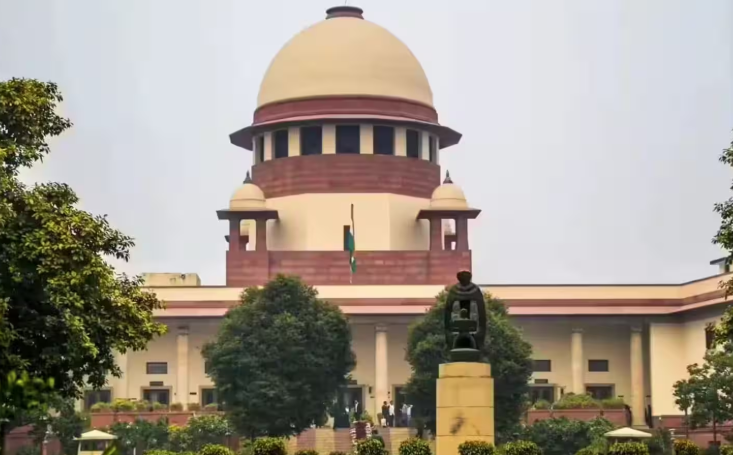
During the hearing, the Supreme Court expressed concern that incidents involving assaults on medical professionals appeared to be occurring repeatedly.
The bench referred to another reported incident in Palghar and observed that there had been yet another assault on doctors. When senior advocate Mukul Rohatgi, appearing for Mhatre, argued that the people involved in the Palghar incident were not the same individuals, the court clarified that its concern related to what it described as the “same ideology.”
The court questioned how anyone could justify entering a hospital and physically assaulting doctors inside their workplace.
The remarks underline the judiciary’s growing concern about violence against healthcare workers and the potential impact such incidents can have on public safety and the functioning of hospitals.
‘These People Don’t Deserve to Roam on Streets’: SC
The Supreme Court made one of its strongest observations while discussing the alleged attacks.
Justice Sandeep Mehta said that the situation was becoming worse and described the issue as one involving both law and public order. The bench said that those responsible should actually be detained and remarked that “these people don’t deserve to roam on streets.”
The court also emphasized the need for a deterrent message.
According to reports, the bench said that a message needed to go out so that similar actions would discourage others in society from attacking doctors and medical personnel.
The comments reflect the seriousness with which the Supreme Court is viewing violence against medical professionals.
Case Involves Alleged Assault at Dombivli Hospital
The current proceedings are connected to an alleged assault at Shastri Nagar Hospital in Dombivli, in Maharashtra’s Thane district.
The incident reportedly occurred on July 6 after a dispute involving the treatment of a pregnant woman and her newborn. Hospital authorities alleged that doctors had advised the family to shift the newborn to another facility because the hospital’s emergency neonatal intensive care unit was occupied.
According to the reports, the situation escalated after relatives allegedly contacted Mhatre. He is accused of arriving at the hospital with associates, after which doctors and hospital staff were allegedly assaulted.
CCTV footage was cited in reports as showing a group entering the hospital premises and allegedly attacking medical personnel.
The allegations are part of an ongoing legal case, and the accused remain entitled to due process.
Maharashtra Government Challenges Bail
The Supreme Court was also hearing the Maharashtra government’s plea challenging the bail granted to Mhatre.
The bench issued notice to Mhatre and sought his response within three weeks. The matter has been listed for further hearing on September 28.
Mhatre had separately challenged stringent conditions imposed by the Bombay High Court after the lower court granted him bail. During the Supreme Court proceedings, he was allowed to withdraw that challenge.
The state’s separate plea seeking cancellation of bail remains before the Supreme Court.
Bombay High Court Had Earlier Intervened
The Bombay High Court had already taken a strong view of the alleged assault.
After the incident, the High Court took suo motu cognisance of the matter and stayed the bail granted by the trial court. It described the lower court’s order as “perverse” and directed Mhatre to surrender.
The High Court later granted bail with stringent conditions and directed that the trial be expedited.
The Supreme Court had previously indicated that the High Court was justified in taking action in response to the alleged assault on doctors.
Fresh Palghar Incident Raises Further Concern
The Supreme Court’s latest remarks were also prompted by a fresh alleged incident in Palghar.
According to reports, the incident involved an alleged assault on doctors and hospital staff at a private healthcare facility following a dispute over the discharge of people injured during a Dahi Handi event.
Reports said that Palghar police registered a case against several people in connection with the incident.
The court’s reference to the new incident illustrates why the judiciary is concerned about what it sees as a recurring pattern of violence directed at healthcare workers.
Court Seeks Strong Deterrent Against Hospital Violence
One of the central themes of the Supreme Court’s observations was the need for deterrence.
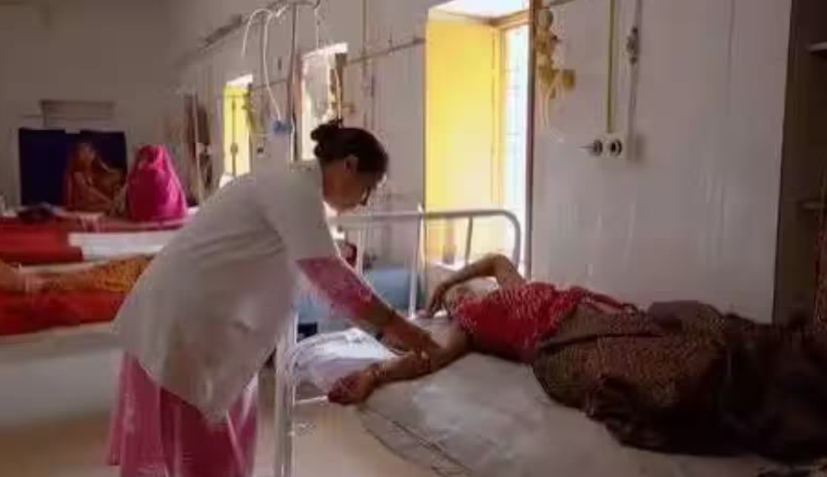
Hospitals are expected to provide an environment in which doctors, nurses and other healthcare workers can perform their duties without fear of physical violence.
When medical professionals are attacked inside hospitals, the consequences can extend beyond the individuals involved. Violence can disrupt medical services, affect staff morale and create an atmosphere of fear among healthcare workers.
The Supreme Court’s remarks therefore place the issue within the broader context of public order and the protection of essential healthcare services.
Why Violence Against Doctors Is a Serious Public Health Issue
Doctors and medical staff routinely work in high-pressure environments where patients and families may face emotional distress.
Disagreements over treatment decisions, delays, hospital capacity or medical outcomes can sometimes escalate into confrontations. However, physical violence cannot be justified as a response to dissatisfaction with medical care.
Attacks on healthcare workers can also have a wider impact.
If doctors believe hospitals are unsafe workplaces, it may become harder for healthcare institutions to retain medical professionals, particularly in high-pressure departments and emergency services.
Ensuring safety inside hospitals is therefore important not only for doctors but also for patients.
Supreme Court’s Message to Political Workers
The case has also attracted attention because Mhatre is a Shiv Sena corporator.
During the hearing, the court referred to the apparent connection between repeated incidents and what it described as the same ideology. The court’s comments came despite the defence arguing that the people involved in the separate Palghar incident were not the same individuals.
The observation places additional focus on the responsibility of political workers and public representatives to avoid or prevent violence.
Political affiliation does not provide immunity from criminal law, and the court’s remarks emphasize that alleged violence inside hospitals should be treated seriously regardless of the accused person’s position.
What Happens Next in the Case?
The Supreme Court has given Mhatre three weeks to respond to the Maharashtra government’s plea challenging his bail.
The case is scheduled to come up again on September 28.
The proceedings will determine the next stage of the state’s challenge to the bail order.
Meanwhile, the broader issue of attacks on doctors is likely to remain under scrutiny, particularly as courts and authorities assess whether stronger enforcement and deterrent measures are required.
A Strong Judicial Warning on Doctor Safety
The Supreme Court’s latest intervention sends a strong message that violence against doctors cannot be treated as an ordinary dispute.
The court’s comments about perpetrators not deserving to “roam on streets” reflect its concern about repeated assaults and the need for accountability. At the same time, the cases remain subject to judicial proceedings, and allegations must ultimately be established through due legal process.
The wider message is clear: hospitals must remain safe places for healthcare workers and patients alike.
The Supreme Court has raised serious concerns over attacks on doctors in Maharashtra, describing the repeated incidents as a growing law-and-order problem.
While hearing the case involving Shiv Sena corporator Ramesh Sukrya Mhatre, the bench of Justices Vikram Nath and Sandeep Mehta questioned how doctors could be brutally assaulted inside hospitals and said that those responsible should be detained. The court also remarked that such people “don’t deserve to roam on streets.”
The Supreme Court has issued notice to Mhatre on the Maharashtra government’s challenge to his bail, with the matter scheduled for further hearing on September 28.
Beyond the individual case, the proceedings highlight a larger concern for India’s healthcare system: protecting doctors and hospital staff from violence is essential to maintaining safe and effective medical services.