0
0
 0
0
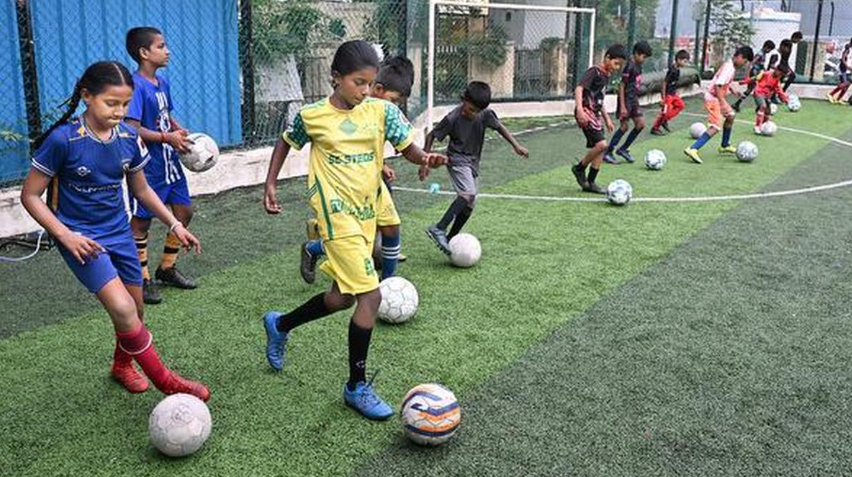
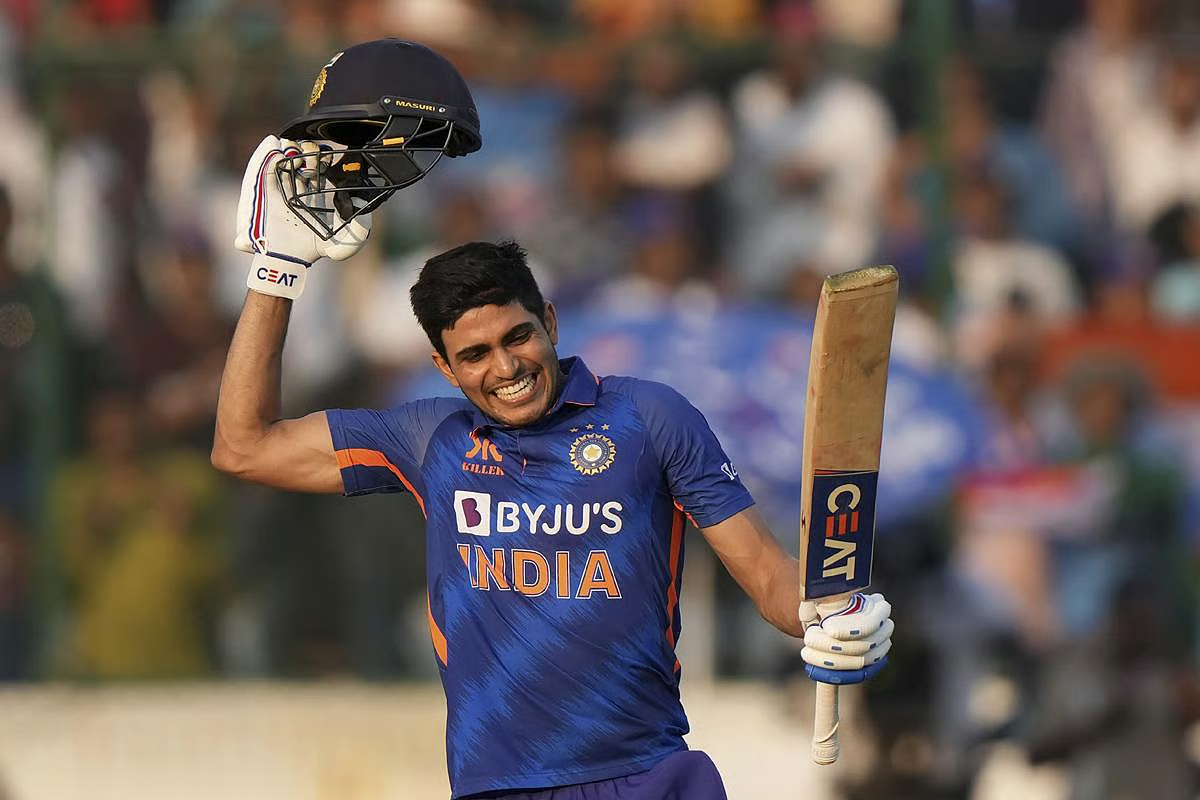
Sports education must become a central part of India’s strategy to develop the next generation of athletes, experts and policymakers increasingly recognize, as the country looks to strengthen its position on the global sporting stage. Building a sustainable sporting ecosystem requires more than identifying talented athletes; it also demands quality coaching, scientific support, education and structured development from an early age.
India has a vast young population and a growing interest in sports. Yet converting that potential into consistent international success requires a long-term approach in which sports education and athlete development work together.
Why Sports Education Matters for Athlete Development
Traditional approaches to sports development often focus heavily on identifying talented players and preparing them for competitions. While competition is essential, athletes also need a strong educational foundation to support their long-term development.
Sports education can introduce children to different disciplines, teach fundamental movement skills and help identify athletic potential at an early stage.
A structured system can also ensure that young athletes understand nutrition, fitness, injury prevention, mental preparation and sportsmanship.
These elements are increasingly important as professional sport becomes more competitive and scientifically driven.
Building India’s Athlete Development Pipeline
India needs a stronger athlete development pipeline that connects schools, academies, universities, sports federations and elite training centers.
Schools can play an important role by providing children with access to qualified physical education teachers and basic sporting infrastructure. Talented athletes can then progress into specialized academies where they receive more advanced coaching.
Universities can provide another pathway by combining higher education with high-level sports training.
Such a system would reduce the risk of young athletes having to choose between education and sport and could create a more sustainable route toward professional competition.
The Role of Qualified Coaches
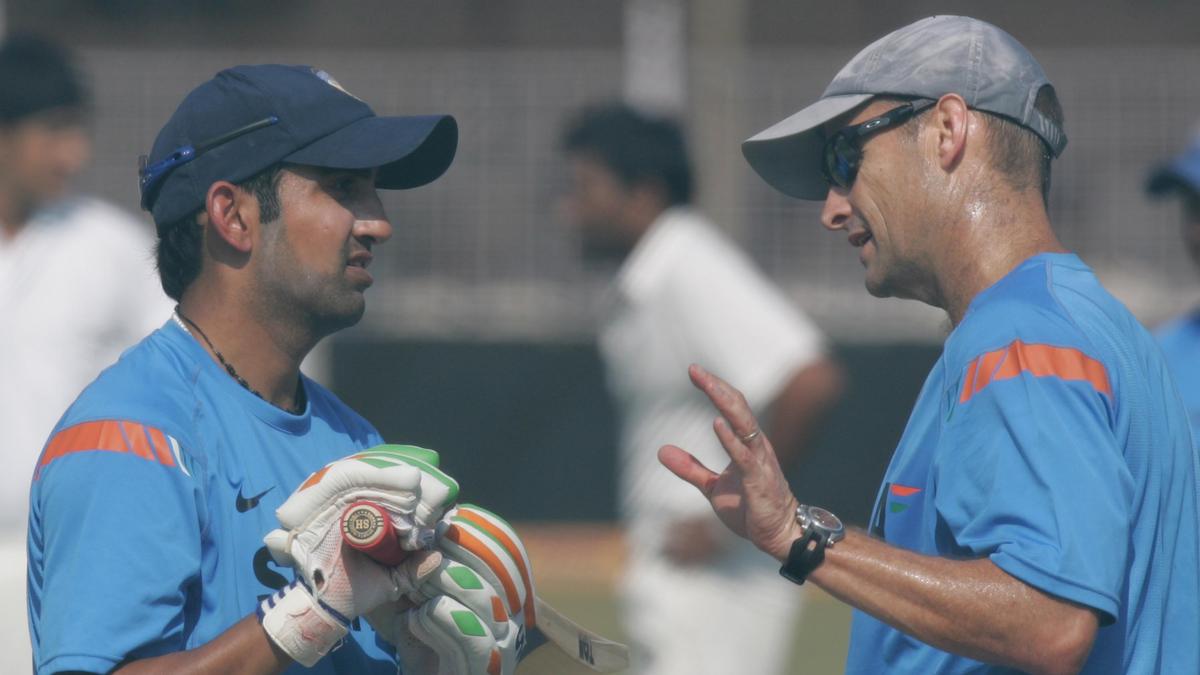
Coaching is one of the most important components of athlete development.
Young athletes require coaches who understand not only technical skills but also age-appropriate training, physical development and psychological needs.
India’s investment in sports education should therefore include greater emphasis on coach education and certification.
Well-trained coaches can identify weaknesses early, develop individualized training plans and help athletes avoid excessive workloads that may increase the risk of injury.
A stronger coaching ecosystem would also help ensure that talent development is based on scientific principles rather than short-term results.
Sports Science Can Transform Athlete Performance
Modern athlete development increasingly depends on sports science.
Strength and conditioning, biomechanics, nutrition, recovery strategies, psychology and performance analytics can all contribute to improved performance.
India has made progress in bringing sports science into elite training, but expanding these resources to developing athletes could have an even greater long-term impact.
Young athletes should gradually learn how to understand their bodies, manage training loads and recover effectively.
Introducing these concepts through sports education could help create athletes who are better prepared for the demands of international competition.
Mental Health and Psychological Preparation
Physical preparation alone is not enough to produce successful athletes.
Competition can bring significant pressure, particularly for young players who are expected to deliver results at national and international events.
Sports education can help athletes develop mental skills such as concentration, resilience, goal setting and managing competitive pressure.
Access to qualified sports psychologists should also become an increasingly important component of India’s athlete development programs.
A healthy approach to mental well-being can help athletes maintain consistency while reducing the risk of burnout.
Creating Better Opportunities for Young Athletes
One of the biggest challenges in Indian sport is ensuring that talented young athletes receive opportunities regardless of their economic background.
Sports education can help broaden access by integrating sporting opportunities into schools and educational institutions.
Scholarships, grassroots competitions and community-based sports programs can provide pathways for children who may otherwise lack access to professional coaching.
A broader talent pool would increase the chances of discovering athletes with the potential to compete at the highest international level.
Technology and Data in Athlete Development
Technology is also changing the way athletes are trained.
Performance tracking, video analysis, wearable technology and data analytics can provide coaches with detailed information about an athlete’s performance and workload.
Introducing young athletes to these tools can create a more data-driven development environment.
However, technology should complement rather than replace experienced coaching. The most effective athlete development systems combine data with human judgment and long-term planning.
Balancing Education and Elite Sport
A sustainable sports system must also protect an athlete’s future beyond competition.
Not every talented young athlete will become a professional. Providing access to quality education ensures that athletes have alternative career opportunities if their sporting careers do not develop as expected.
This balance can also reduce pressure on young athletes and their families.
When education and sport are integrated effectively, young people can pursue athletic ambitions without sacrificing their broader personal and professional development.
Learning From Global Sporting Systems
India can also learn from countries that have developed successful athlete pathways through schools, universities and specialized training programs.
Strong sporting nations typically combine grassroots participation with talent identification, professional coaching, sports science and elite competition.
India does not need to replicate another country’s system completely. Instead, it can develop a model suited to its population, sporting culture, infrastructure and economic conditions.
The key is creating a connected pathway in which every stage of athlete development supports the next.
From Talent Identification to Long-Term Development
India has no shortage of sporting talent. The bigger challenge is turning that talent into sustained excellence.
Identifying a promising athlete is only the beginning. The athlete must then receive appropriate coaching, competition experience, medical support, nutrition, education and psychological guidance.
This is why sports education should be viewed as a fundamental part of national athlete development rather than an additional component.
A long-term approach can help India build athletes who are not only competitive but also physically, mentally and academically prepared.
Sports education must play a central role in India’s athlete development strategy. A stronger connection between schools, coaches, sports scientists, academies and higher education institutions could create a more effective pathway from grassroots participation to elite competition.
India’s future sporting success will depend not simply on finding talented athletes but on developing them systematically.
By investing in sports education, qualified coaching, sports science, mental preparation and accessible training opportunities, India can build a deeper and more sustainable athlete pipeline capable of producing international champions for years to come.