0
0
 0
0
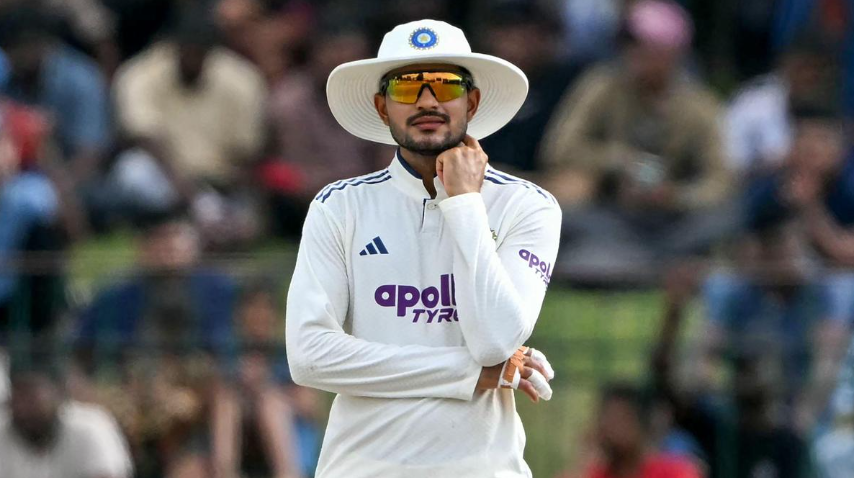
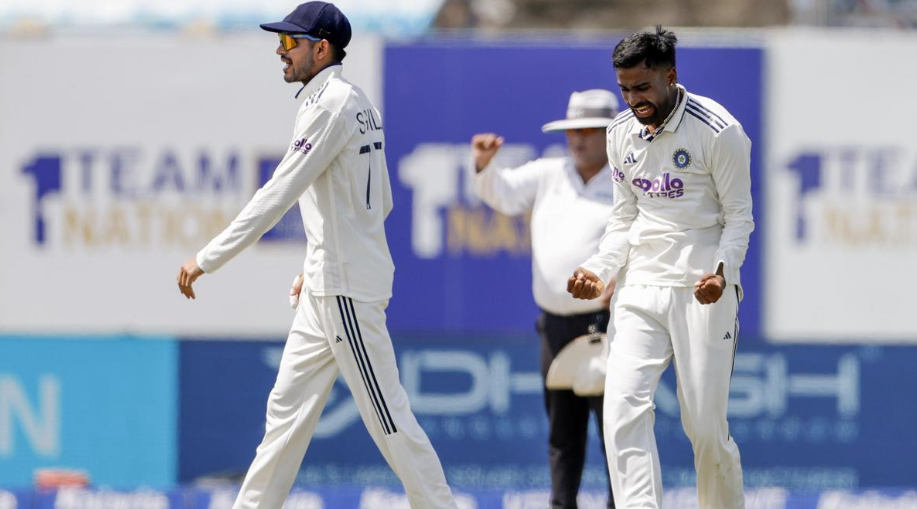
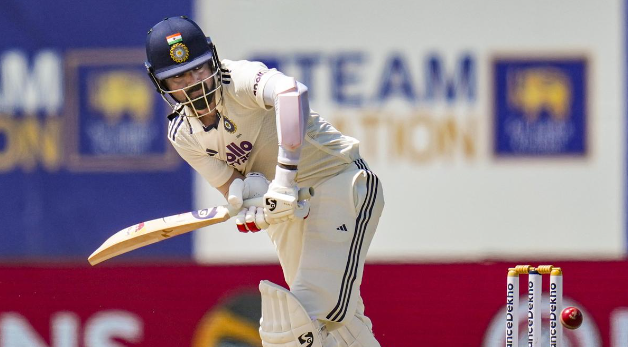
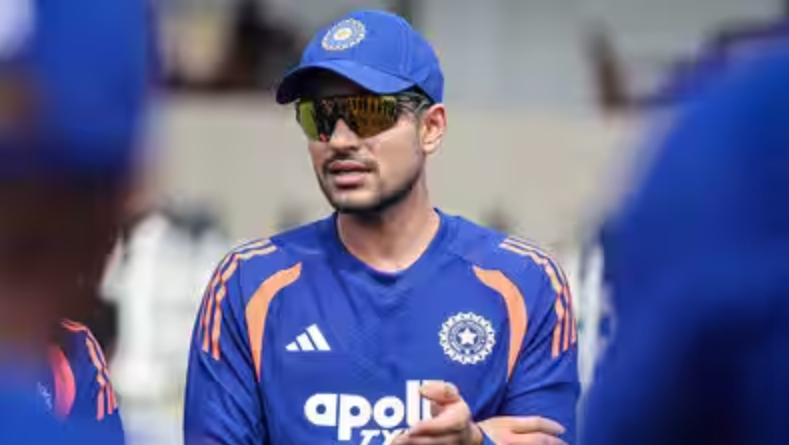
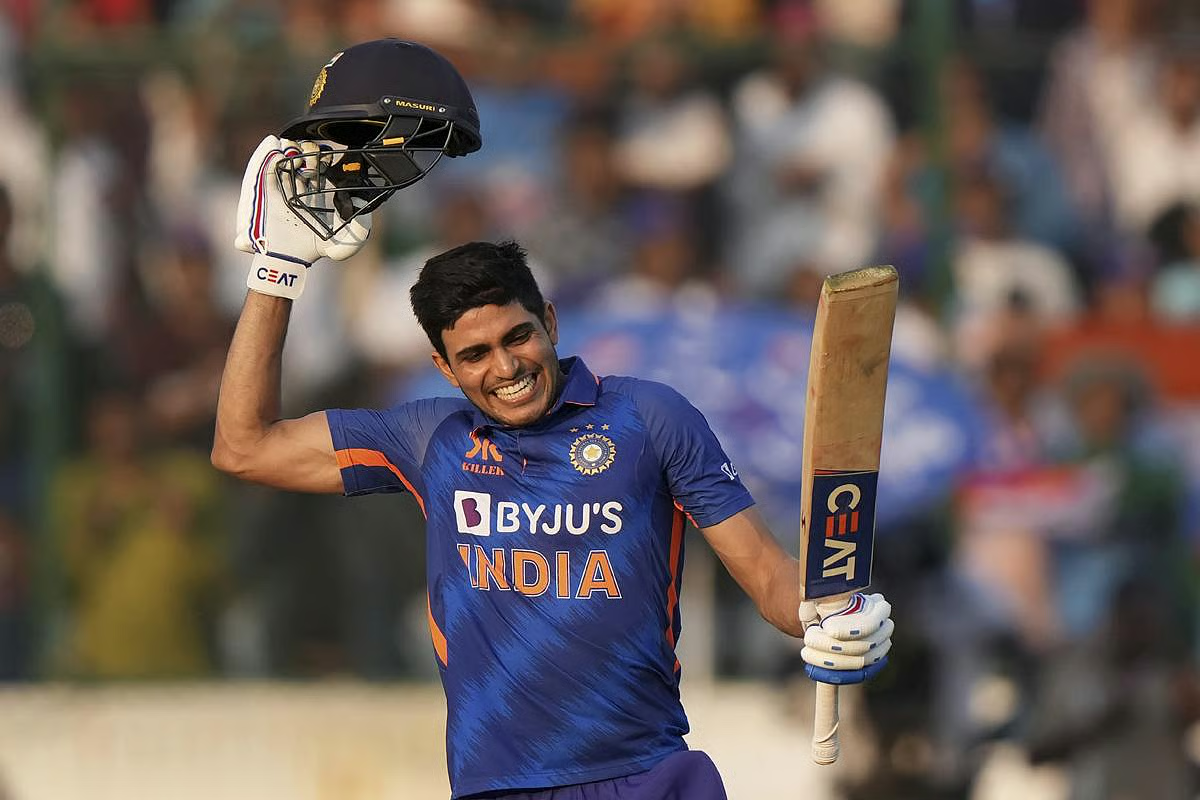
India captain Shubman Gill has defended his decision to enforce the follow-on against Sri Lanka, insisting that the move was logical given the weather uncertainty surrounding the second Test in Colombo.
India had dominated large portions of the match and declared their first innings at 503 for nine before bowling Sri Lanka out for 290. With a 213-run first-innings lead, India chose to send Sri Lanka back to bat rather than take another innings themselves.
The decision ultimately did not produce the desired result. Sri Lanka mounted a determined resistance in their second innings, led by Sonal Dinusha, whose unbeaten century helped the hosts secure a draw.
Despite the missed opportunity, Gill does not believe the follow-on decision itself was a mistake.
“I would not say it backfired.”
Gill explained that India had anticipated rain and potentially lost playing time on the final days. In those circumstances, he believed enforcing the follow-on gave India the best chance of taking 20 wickets and securing a victory.
Weather Concerns Influenced Gill’s Decision
The weather forecast played an important role in India’s tactical approach.
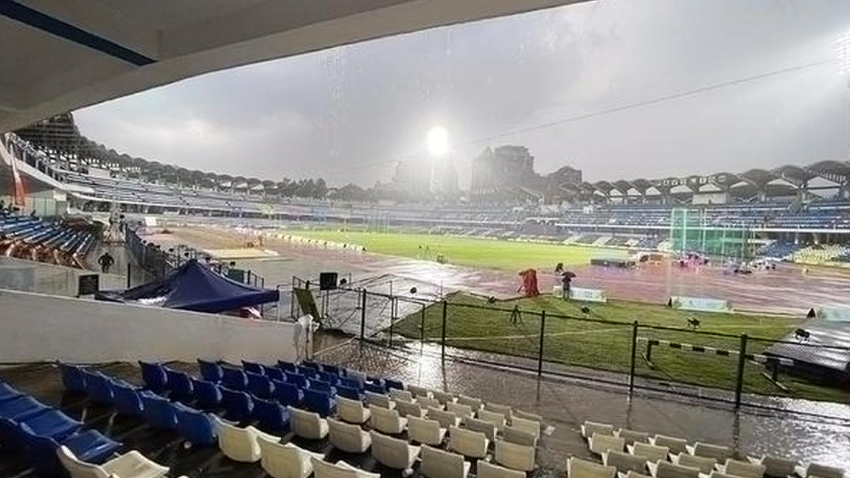
With rain threatening to interrupt the Test, Gill and his team had to consider how many overs would actually be available to complete the match. Batting again would have consumed valuable time, potentially leaving India with an insufficient number of overs to dismiss Sri Lanka twice.
By enforcing the follow-on, India immediately returned to bowling.
Gill said the decision was made with the possibility of rain on the fourth and fifth days in mind. Had India chosen to bat again and weather subsequently reduced playing time, the captain could have faced criticism for not taking the opportunity to attack.
For Gill, the decision was therefore based on the circumstances at the time rather than hindsight.
India Had a Significant First-Innings Advantage
India’s position appeared extremely strong when the follow-on was enforced.
After posting 503/9 declared, India dismissed Sri Lanka for 290, securing a 213-run lead.
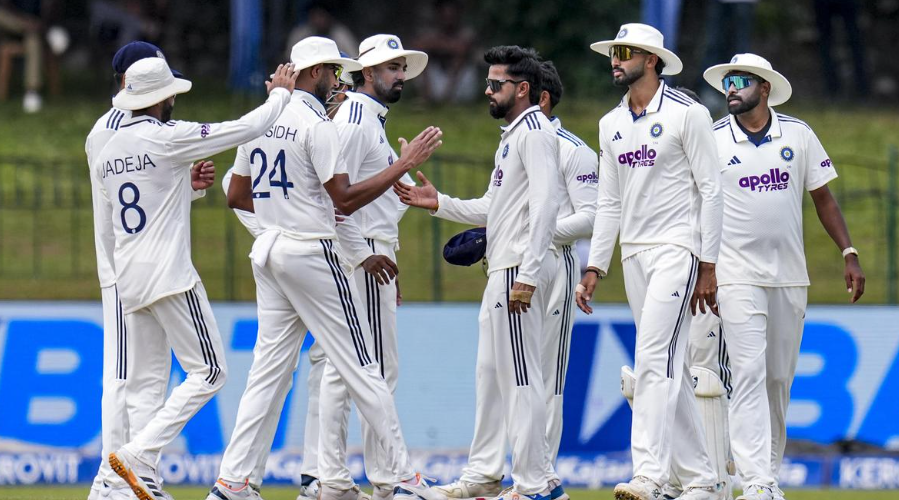
The hosts were then asked to bat again, and India’s bowlers initially made further inroads.
Sri Lanka slipped to 218/6 during the second innings, leaving India within touching distance of victory.
At that stage, a series clean sweep appeared increasingly likely.
However, Sri Lanka’s lower order produced an extraordinary defensive effort and kept India from taking the final wickets required for victory.
Sonal Dinusha Leads Sri Lanka’s Resistance
The biggest obstacle for India was Sonal Dinusha, who produced a remarkable performance across the match.
After making a century in Sri Lanka’s first innings, Dinusha returned to the crease in the second innings and produced another outstanding knock.
His unbeaten 133 helped Sri Lanka survive India’s attack and secure a dramatic draw in Colombo.
Dinusha’s resistance became the defining story of the final day.
India’s bowlers continued to attack, but Sri Lanka’s batters successfully consumed time and deliveries. The longer the innings continued, the more difficult it became for India to force the remaining wickets before the scheduled end of play.
Sri Lanka Deny India a 2-0 Series Sweep
The draw prevented India from completing a clean sweep.
India had already won the opening Test in Galle, meaning the two-match series ended 1-0 in India’s favour.
The result was disappointing for Gill’s side because India had been in a commanding position for much of the second Test.
Nevertheless, Gill praised Sri Lanka for their determination and said the result should be viewed as a learning experience rather than a complete failure.
The Indian captain also gave his team credit for their effort and intensity throughout the match.
Gill Rejects the Idea That the Follow-On Backfired
The follow-on decision became a major talking point after Sri Lanka successfully saved the match.
Some observers questioned whether India would have been better served by batting a second time, setting Sri Lanka an imposing target and then using the remaining time to attack.
Gill, however, rejected the suggestion that the decision had simply backfired.
His argument was straightforward: the captain has to make decisions based on the conditions and information available at that particular moment.
If India had batted again and rain had subsequently reduced the available playing time, the decision could just as easily have been criticized.
Gill therefore believes the follow-on was a reasonable attempt to maximize India’s chances of winning.
A Learning Experience for Gill as Captain
Although Gill remains confident about the tactical decision, he acknowledged that there were lessons to take from the match.
The Colombo Test was another important experience for Gill as he continues to develop as India’s Test captain.
Leading a team in Test cricket requires constant decisions involving declarations, bowling changes, field placements and match tempo.
The drawn Test provided another example of how quickly a dominant position can change.
Gill said the draw was disappointing because India wanted to win, but he also praised Sri Lanka’s performance and recognized the lessons available from the contest.
India’s WTC Campaign Takes a Hit
The draw also had consequences beyond the Sri Lanka series.
India missed the opportunity to strengthen its position in the World Test Championship (WTC) standings.
Following the result, India remained fifth in the WTC table and faces a demanding schedule in the remainder of the cycle. According to Reuters, India needs to win at least six of its remaining seven Tests to control its path toward a top-two finish.
That makes every future Test increasingly important.
The upcoming assignments against New Zealand and Australia will provide a much tougher test of Gill’s leadership and India’s ability to convert strong positions into victories.
Gill’s Positive Outlook After the Draw
Despite the disappointment, Gill has chosen to focus on the positives from India’s Sri Lanka campaign.
India won the opening Test convincingly and dominated large sections of the second match.
Young players also produced encouraging performances during the series, giving the team additional depth ahead of its upcoming assignments.
Gill’s response suggests that the team does not intend to abandon its attacking approach simply because one tactical decision failed to produce a win.
Instead, the captain believes the experience will help India improve its decision-making in future Test matches.
What the Colombo Test Says About Gill’s Captaincy
The follow-on debate offers an early insight into Gill’s philosophy as a Test captain.
Rather than prioritizing safety, Gill was willing to take an aggressive route in an attempt to force a result.
The decision also reflected the importance of match conditions. With rain a potential factor, India had to maximize the number of overs available for taking wickets.
The outcome did not go India’s way, but the reasoning behind the decision was understandable given the circumstances.
For Gill, the key lesson may be not whether the follow-on itself was right or wrong, but how India can better convert a dominant position into a decisive victory.
India Must Move Forward Quickly
With the Sri Lanka series now over, India cannot afford to dwell too long on the missed opportunity in Colombo.
The team remains in contention for the WTC final but faces a difficult road ahead.
Gill and his teammates will need to improve their ability to close out matches when they establish a commanding position.
At the same time, the Sri Lanka Test showed that India’s young players can perform under pressure and that the team possesses considerable depth.
The challenge now is to turn those positive signs into consistent results.
Shubman Gill sees nothing wrong with India’s decision to enforce the follow-on against Sri Lanka, despite the move ultimately ending in a draw in the Colombo Test.
India had taken a 213-run first-innings lead after declaring at 503/9 and bowling Sri Lanka out for 290. With rain threatening, Gill believed enforcing the follow-on offered India the best opportunity to take the remaining wickets and secure victory.
Sri Lanka, however, produced a remarkable resistance led by Sonal Dinusha’s unbeaten 133, denying India a 2-0 series sweep.
The result means India finished the two-Test series with a 1-0 victory, while Gill takes valuable lessons from a match that highlighted both the rewards and risks of aggressive Test captaincy.
For India, the focus now shifts to the remainder of the World Test Championship campaign, where opportunities to drop points will become increasingly costly.