 0
 0
Leadership in cricket can be expressed in many ways.
Some captains lead through tactical decisions. Others inspire through communication, while some influence their teams primarily through their performances.
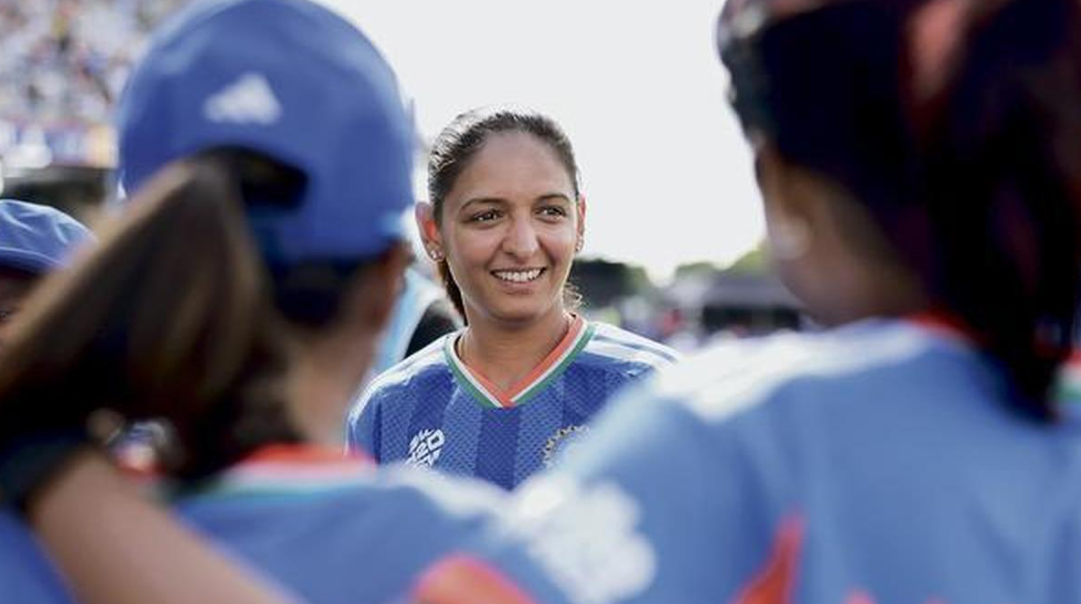
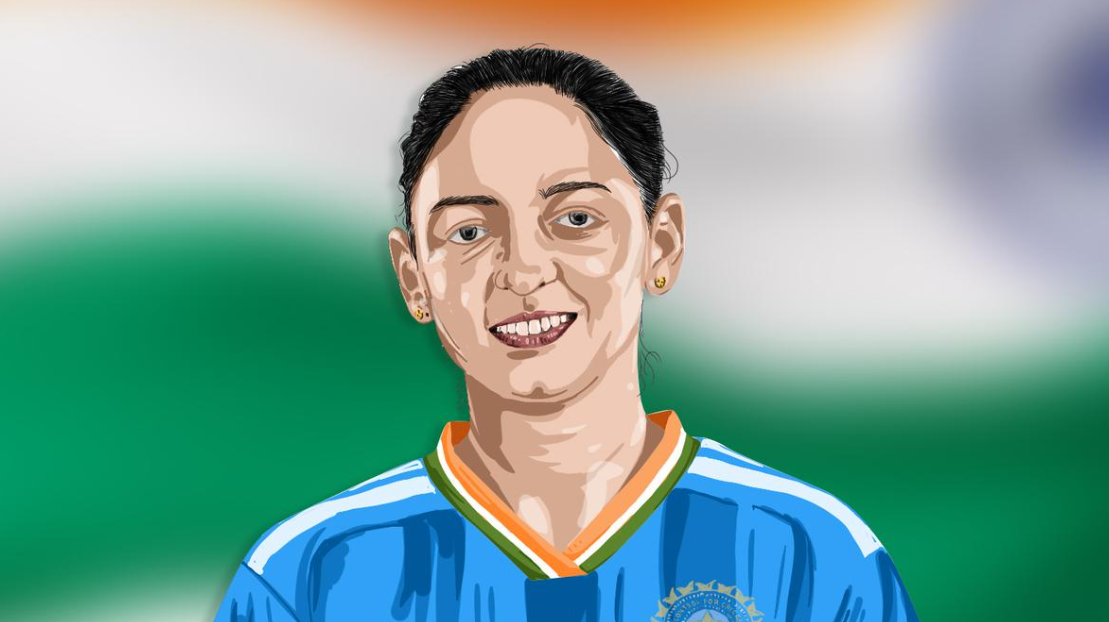
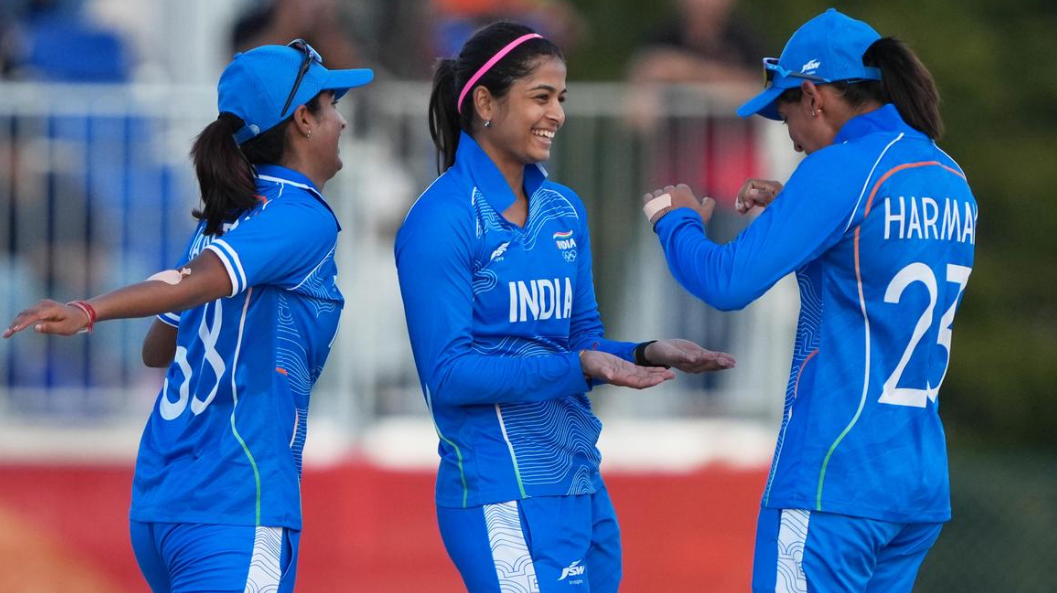
Harmanpreet Kaur has combined all three.
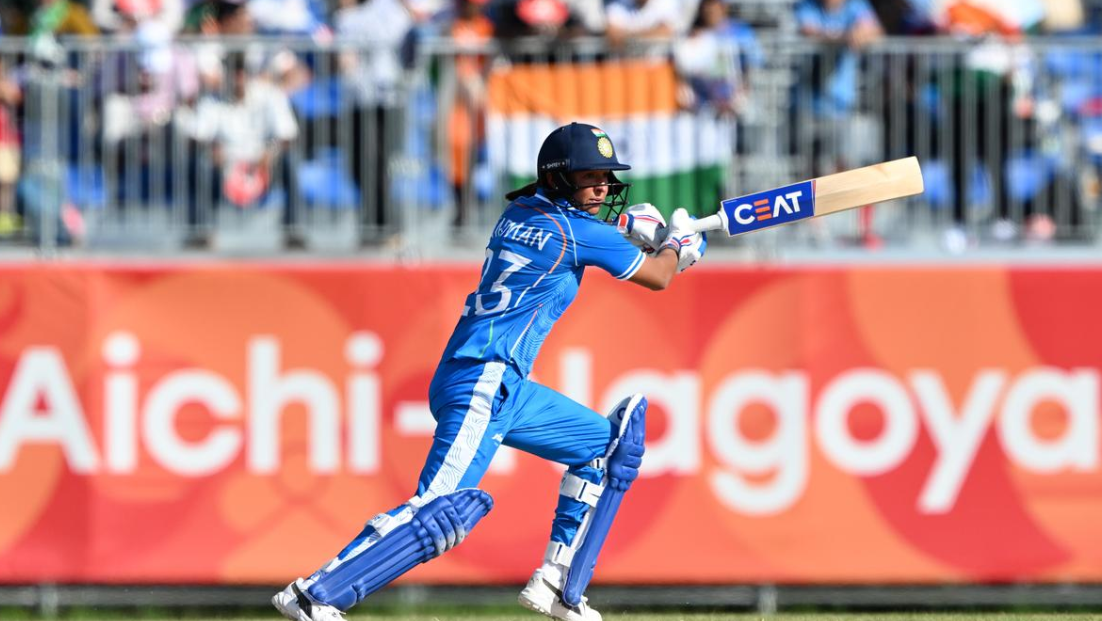
As an all-round cricketer and one of India’s most recognisable women’s cricket figures, she has spent years operating at the centre of major moments.
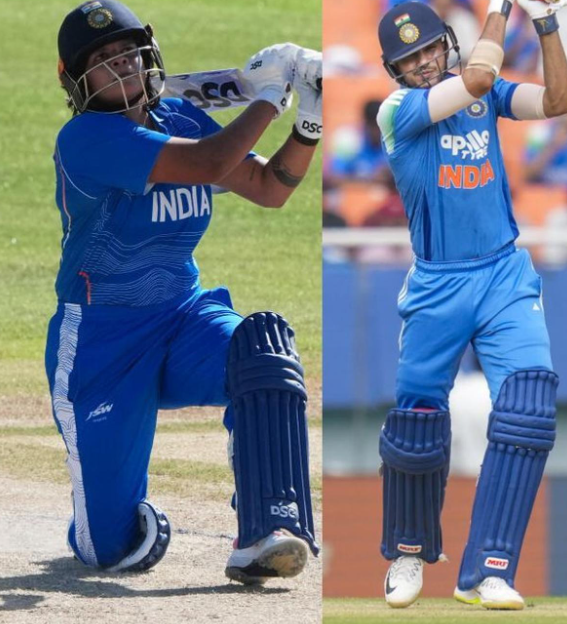
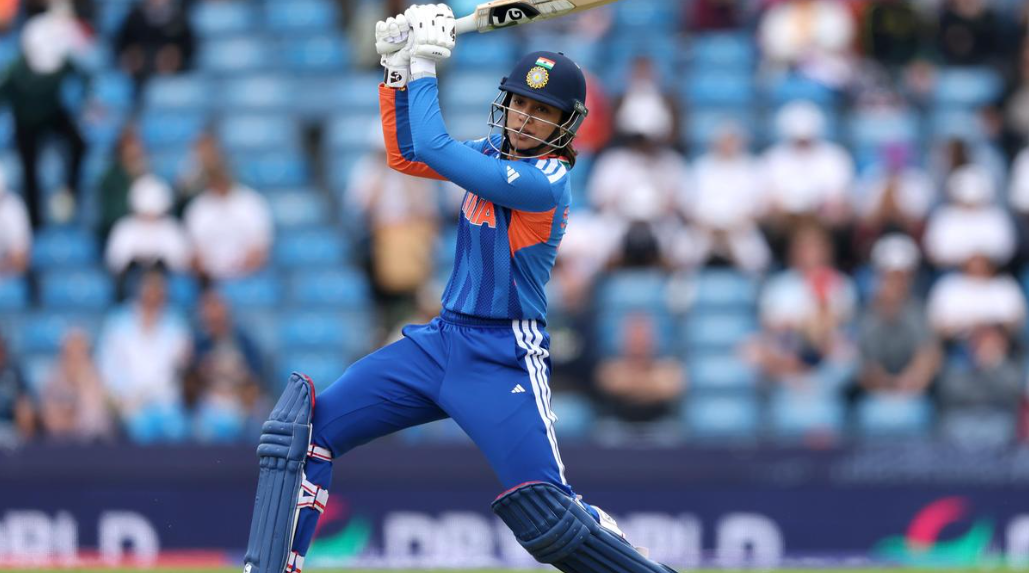
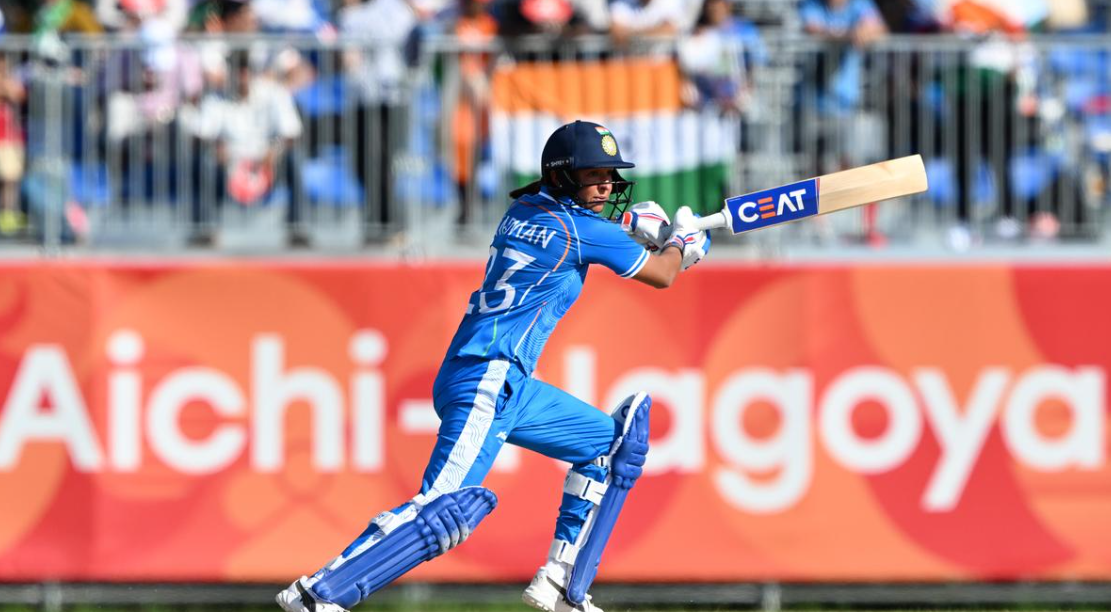
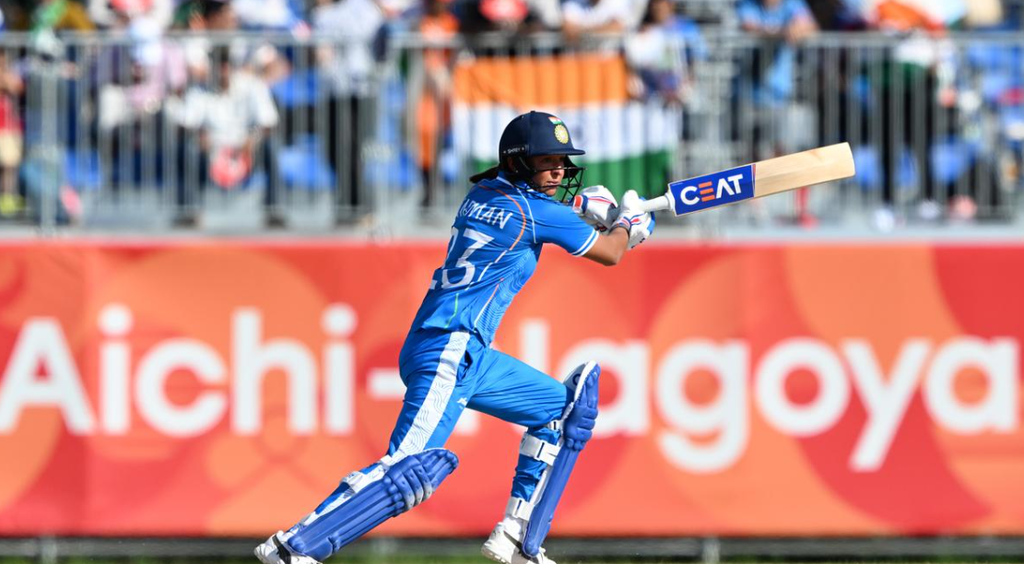
Her batting has often provided the clearest expression of her leadership.
When the situation demands composure, aggression or a willingness to take risks, Harmanpreet has traditionally been prepared to accept the responsibility.
That willingness has helped define her identity as a cricketer.
The Innings That Changed Her Career
Harmanpreet’s reputation as a big-match player was dramatically strengthened by her unforgettable performance against Australia at the 2017 Women’s Cricket World Cup.
Batting under pressure in the semi-final, she produced one of the most memorable innings in the history of women’s cricket, scoring an unbeaten 171 from 115 deliveries.
The innings featured power, timing and remarkable composure, and it instantly became a defining moment in her international career.
More importantly, it demonstrated the quality that would repeatedly characterise Harmanpreet’s approach: when the stakes increased, she was willing to take the game on.
Her performance also helped elevate the profile of Indian women’s cricket on a global stage.
Leading From the Front
The phrase “leading from the front” is particularly appropriate for Harmanpreet because her leadership has rarely been separated from her role as a player.
She has not been the type of captain who expects others to carry the pressure while she observes from the sidelines.
Instead, she has frequently placed herself in the most demanding positions: facing the opposition’s best bowlers, taking difficult decisions and attempting to change the direction of matches.
That approach can be demanding.
A captain who contributes heavily with the bat or ball carries two responsibilities simultaneously. A failure as a player can attract scrutiny, while a failure as captain can multiply that pressure.
Harmanpreet has nevertheless embraced that responsibility throughout her career.
The Evolution of Harmanpreet Kaur
Harmanpreet’s journey also reflects the evolution of women’s cricket in India.
When she began establishing herself internationally, women’s cricket did not have the same commercial reach, media attention or professional infrastructure that it enjoys today.
Over time, the landscape changed.
The growth of domestic structures, professional contracts, global women’s leagues and the Women’s Premier League created new opportunities for Indian women cricketers.
Harmanpreet became one of the players who bridged these eras.
She experienced international cricket when opportunities were fewer and later became one of the leading figures of a much more visible and professional women’s game.
Captaincy and the Weight of Expectation
Being captain of India brings expectations that extend beyond individual performances.
The captain is expected to manage different personalities, make tactical decisions, handle media scrutiny and remain composed during difficult periods.
For Harmanpreet, the challenge has often been intensified by the expectations surrounding Indian women’s cricket.
The team’s growing popularity means that every major tournament carries significant attention.
Yet leadership is not defined by winning every match.
It is also about maintaining belief during difficult periods, taking responsibility for mistakes and giving teammates the confidence to perform at their best.
Harmanpreet’s longevity in the role reflects her ability to remain central to the team’s ambitions through different phases of Indian women’s cricket.
A Powerful Symbol for Indian Women’s Cricket
Harmanpreet’s influence extends beyond statistics.
She belongs to a generation of players who helped make women’s cricket increasingly visible to Indian audiences.
Her performances gave younger players a familiar figure to watch and emulate.
For aspiring cricketers, her career demonstrated that an Indian woman could play aggressive, high-level international cricket and take on leadership responsibilities at the highest stage.
The growth of women’s cricket means the next generation has access to opportunities that were far less developed when Harmanpreet began her journey.
In that sense, her career is part of a larger transformation.
Strength, Aggression and Self-Belief
One of Harmanpreet’s most recognisable characteristics has been her aggressive approach to batting.
She has never been defined solely by survival.
Her strongest performances have often come when she has attacked the opposition and attempted to dictate the tempo of an innings.
That style requires self-belief.
A player who consistently takes the aggressive option must be willing to accept failure as part of the process.
For a captain, that becomes even more complicated because individual decisions are inevitably judged in the context of the team’s result.
Harmanpreet’s willingness to continue playing with intent has remained a defining part of her cricketing identity.
The Importance of Experience
Leadership evolves with experience.
A young captain may rely heavily on instinct and energy. With time, experience adds perspective.
Harmanpreet has played against some of the strongest teams in women’s international cricket and competed in different conditions and formats.
That experience has given her a deep understanding of the demands of elite cricket.
It has also placed her in a unique position within India’s dressing room.
She has experienced the challenges of international cricket while also witnessing the rapid professionalisation of the women’s game.
That perspective can be invaluable to younger players entering the national team.
More Than a Captain
Harmanpreet Kaur’s legacy will ultimately be measured by more than the number of matches she captained or runs she scored.
Her importance lies in the combination of performance, personality and timing.
She became a major figure at a point when Indian women’s cricket was beginning to move into a new era.
Her performances helped attract attention, while her leadership gave her an even more prominent role in the team’s development.
The impact of such a career is difficult to capture entirely through statistics.
Cricket is also about moments.
The 2017 World Cup semi-final is one such moment. So are the many occasions when she walked out to bat knowing that the pressure of the match was resting heavily on her shoulders.
A Legacy Built on Responsibility
Harmanpreet Kaur loved to lead, and she did so from the front.
That sentence captures something fundamental about her career.
She did not simply inherit responsibility because she was appointed captain. She repeatedly sought responsibility through the way she played.
Her career has been defined by ambition, aggression and a willingness to stand at the centre of difficult moments.
As Indian women’s cricket continues to grow, the significance of players such as Harmanpreet will become even clearer.
They were not merely participants in the transformation of the women’s game.
They helped drive it.
And for Harmanpreet, leadership was never just about standing at the front.
It was about walking there first.