 0
 0
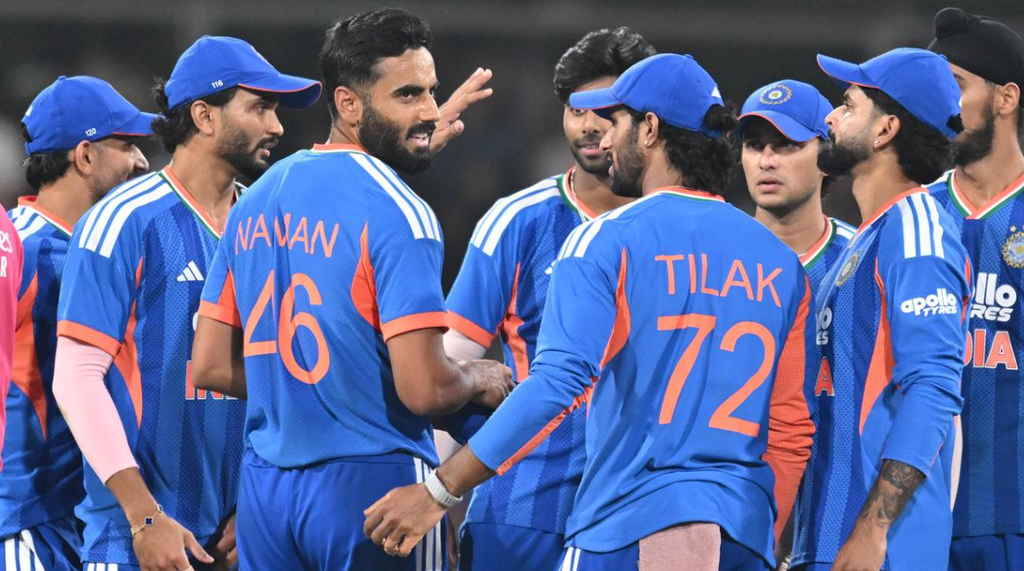
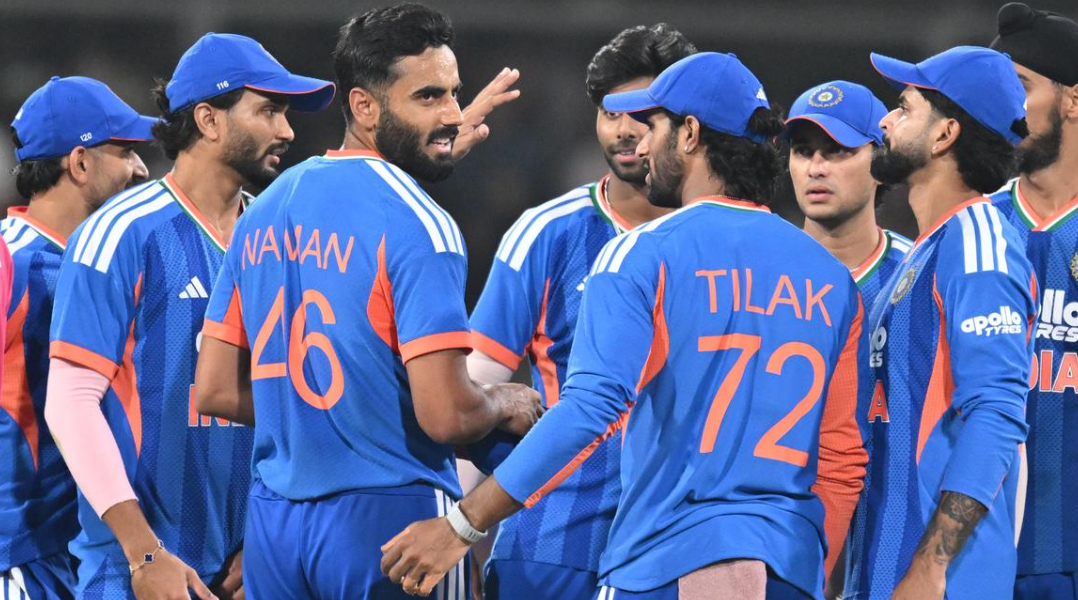
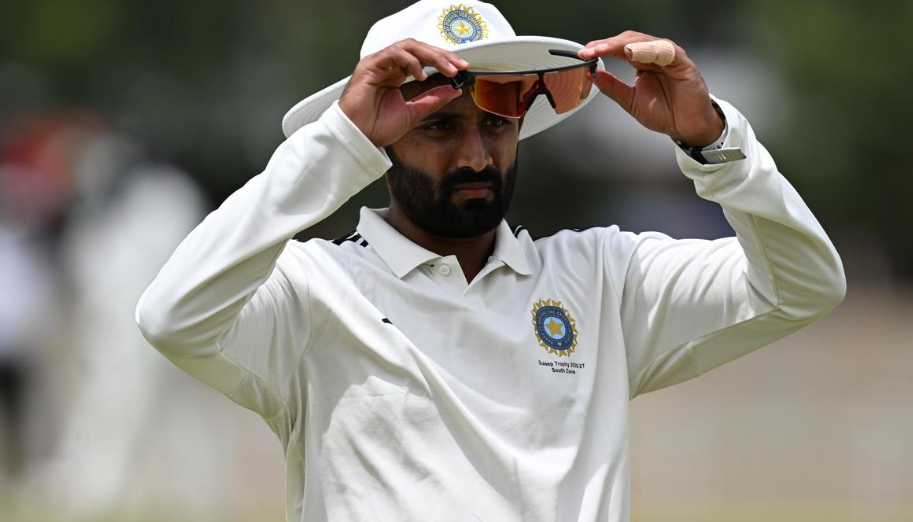
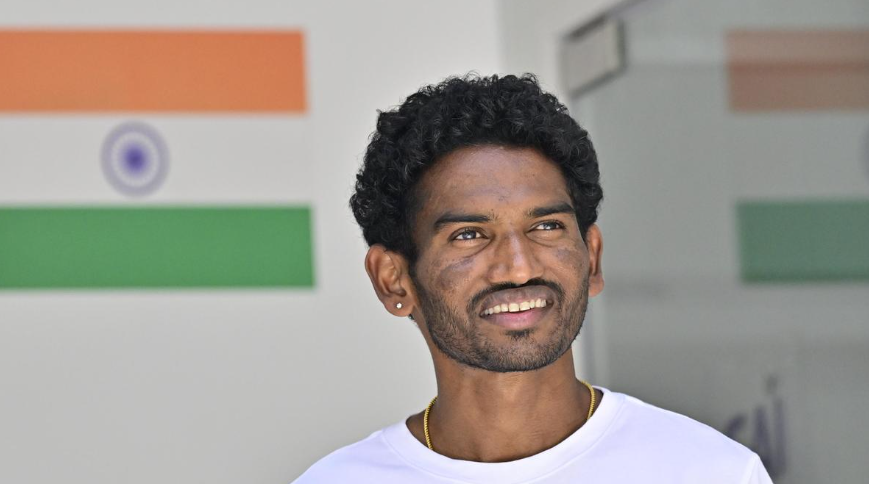
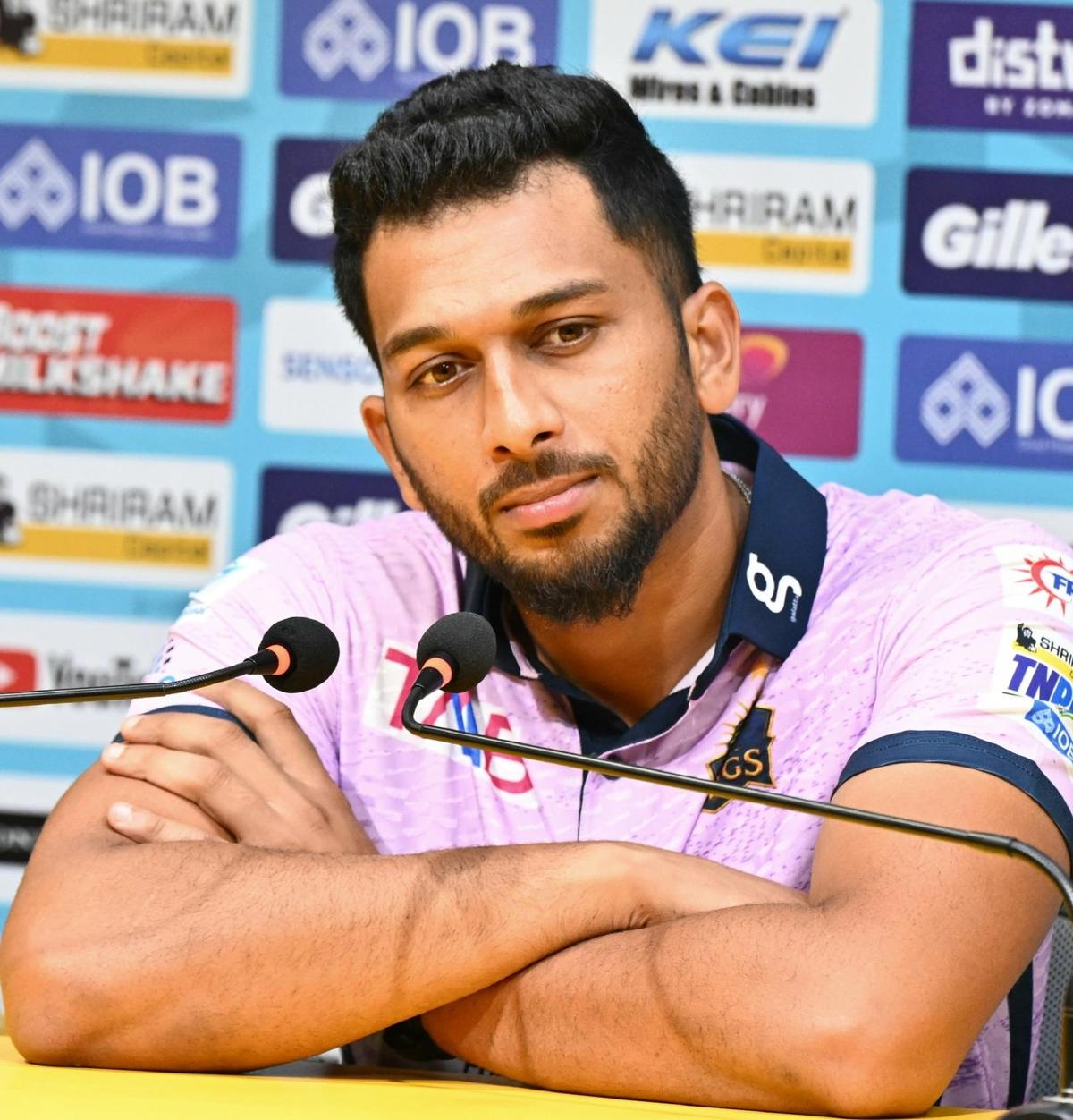
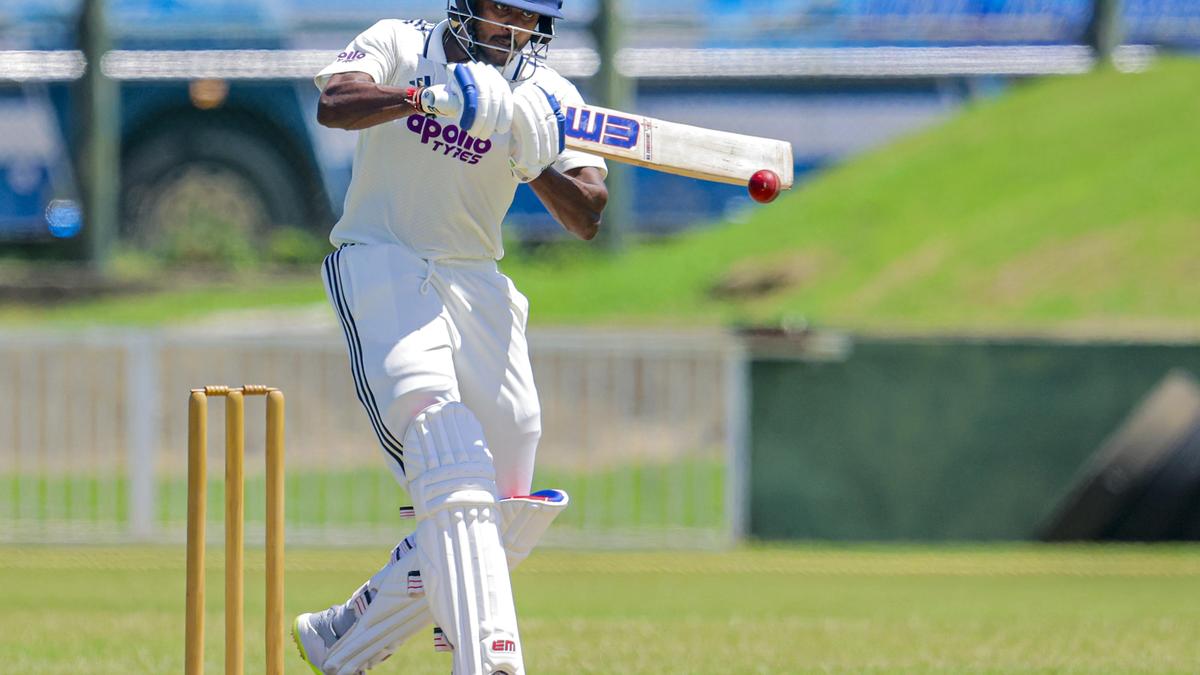
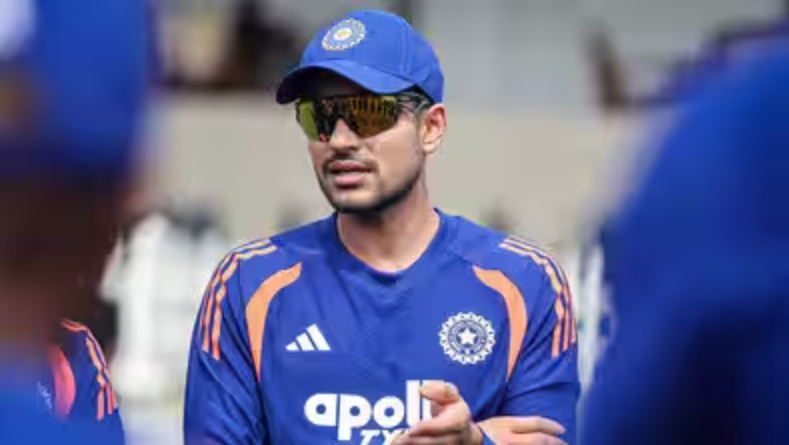
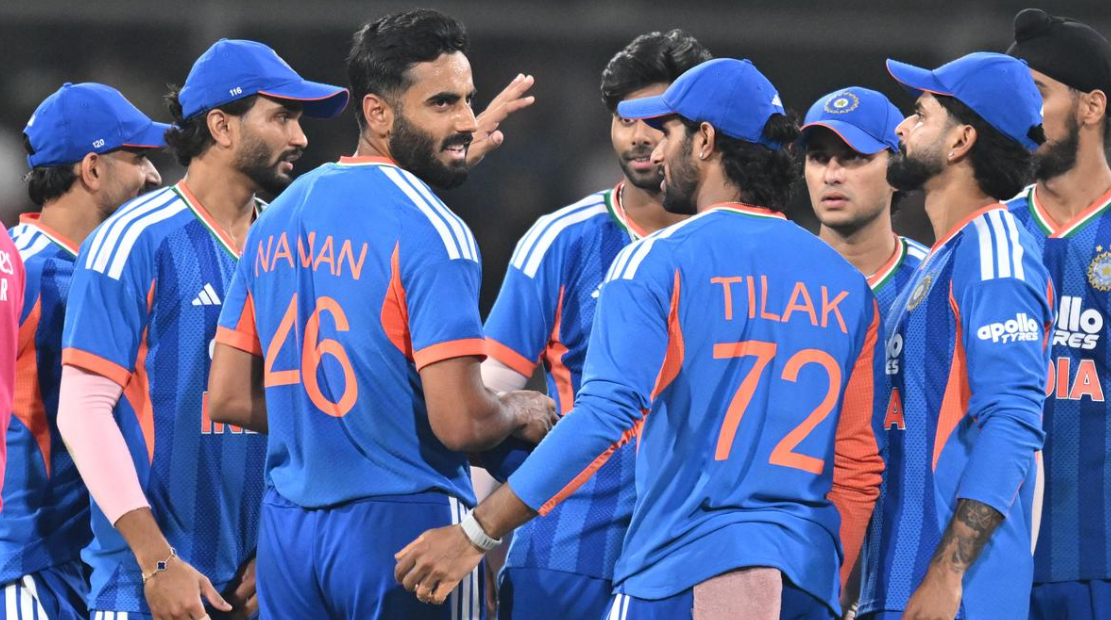
Indore, India — In the fast-paced world of T20 international cricket, conceding a six can put enormous pressure on a bowler. For India’s Naman Dhir, however, being hit for a maximum is not necessarily a setback. Instead, it can become the starting point for a match-changing response.
The Indian off-spin all-rounder has developed an unusual pattern in his early T20 international career: each of his first five wickets in the format came immediately after the opposition batter had struck a six. His ability to respond under pressure has made him an intriguing figure in India’s bowling attack. Source: Indmedia
Naman Dhir Shows the Art of Bouncing Back in T20 Cricket
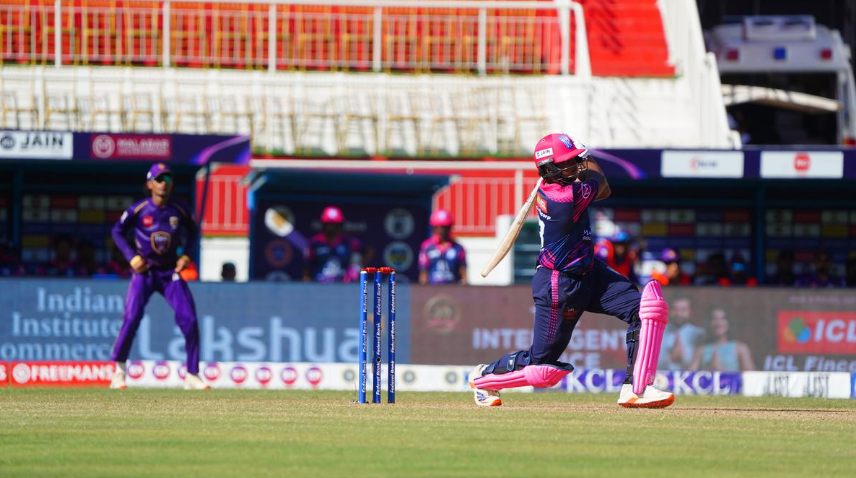
T20 cricket is a format in which bowlers have little time to recover from mistakes. A single expensive delivery can change the momentum of an over, while a missed opportunity can quickly increase the pressure on the bowling side.
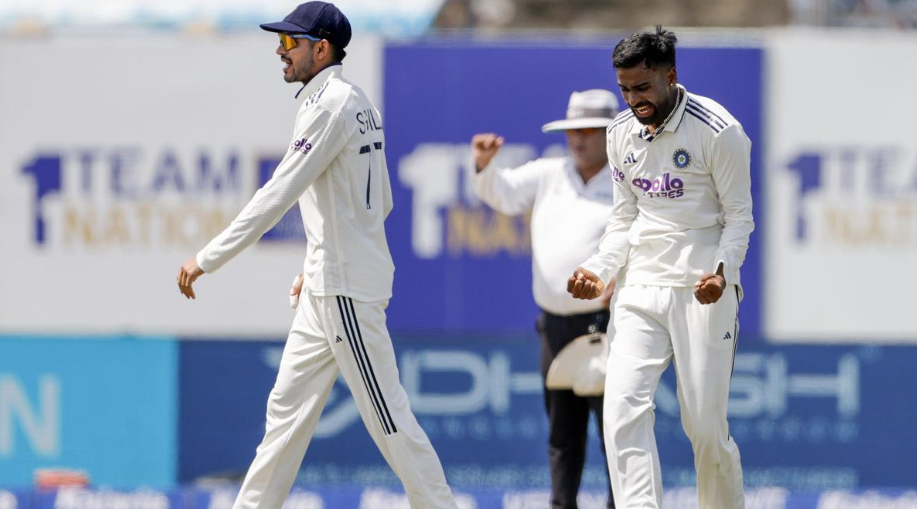
Dhir, however, appears comfortable with the challenge. During India’s T20I series against the West Indies, he demonstrated his ability to respond immediately after conceding boundaries.
The pattern was particularly noticeable in the opening match in Lucknow, where it occurred three times. It appeared again in the third match in Indore, when Dhir dismissed Shimron Hetmyer and Kamil Pooran after each batter had hit a six.
These moments illustrate an important quality in competitive cricket: the ability to separate one delivery from the next. Rather than allowing an opponent’s attacking shot to dictate his approach, Dhir focuses on the next opportunity.
His performances offer a reminder that success in T20 cricket is not always about preventing boundaries. Sometimes, it is about responding intelligently and creating opportunities to take wickets.
Why Dhir’s Bowling Approach Works
Dhir has explained that his primary responsibility is to deliver two or three economical overs. Although he is willing to attack batters, his main objective is to maintain control over his bowling.
He also recognises the value of taking wickets in a format where batters are encouraged to attack. An aggressive shot may bring immediate runs, but it can also expose a batter to risk.
This creates a tactical challenge for the bowler. Instead of reacting emotionally to a six, the bowler must assess the batter’s intentions, maintain a clear plan, and execute the next delivery with discipline.
Dhir’s approach demonstrates how defensive and attacking strategies can work together. Keeping runs under control is important, but taking wickets can be equally effective in limiting an opponent’s scoring rate.
His willingness to continue attacking after conceding a boundary reflects a practical understanding of the balance between risk and reward in T20 cricket.
A Batter’s Mindset Gives Dhir an Advantage
One of Dhir’s key strengths is his experience as a batter. He believes that understanding batting helps him read an opponent’s intentions more effectively.
By observing a batter’s stance, backlift, guard, and preferred shots, a bowler can develop a better understanding of the options available to the opposition. This knowledge can help identify weaknesses and determine where to bowl.
Dhir has also acknowledged that he does not rely on a large variety of bowling variations. Instead, he focuses on line, length, and changes of pace.
This emphasis on accuracy and tactical awareness highlights an important principle of spin bowling: effective execution can be just as valuable as having numerous variations.
For an off-spinner operating in T20 cricket, where batters frequently look to attack, reading the game and maintaining control can make a significant difference.
Naman Dhir’s Growing Importance to India’s Bowling Attack
Dhir’s wicket-taking ability gives India another option in its bowling combination. His contributions can help the team maintain pressure while allowing the captain to use the frontline bowlers strategically.
Former teammate Abhishek Sharma has praised Dhir’s development, noting that he has followed his progress since his under-14 cricket days and believes he can perform well for India in the years ahead.
Such encouragement reflects the value of a player’s development over time. International success is rarely the result of one performance alone; it is often built on years of learning, competition, and adaptation.
For Dhir, the challenge will be to maintain his composure and effectiveness as opposition teams study his methods and look for ways to counter his bowling.
Consistency, tactical flexibility, and the ability to adapt to different conditions will be crucial as he seeks to establish himself in India’s T20I setup.
Lessons from Dhir’s Ability to Recover Under Pressure
Dhir’s early international performances offer a broader lesson about resilience in sport. A setback does not necessarily determine the outcome of a contest. What matters is how a player responds to it.
His approach highlights three important qualities:
- Composure: A boundary conceded does not have to lead to panic or a loss of concentration.
- Tactical awareness: Understanding the opponent’s strengths and preferred shots can help a bowler plan the next delivery.
- Adaptability: Adjusting pace, line, and length can create new opportunities even after an expensive ball.
These qualities are relevant beyond cricket. In any competitive environment, the ability to learn from a setback and respond with a clear plan can turn a difficult moment into an opportunity.
For Dhir, the next delivery is not simply a reaction to the previous one. It is a fresh chance to change the game.
Conclusion: Dhir’s Resilience Could Become a Valuable Asset for India
Naman Dhir’s ability to take wickets immediately after conceding sixes has brought attention to an important aspect of his early international career. His calm approach, understanding of batting, and emphasis on accurate bowling make him an interesting option for India’s T20I attack.
Although the pattern behind his first five T20I wickets is an unusual statistic rather than a guarantee of future success, it illustrates his capacity to respond positively under pressure.
As Dhir gains more international experience, his ability to combine discipline with attacking intent could become an increasingly valuable asset for India. In a format defined by rapid momentum shifts, the art of bouncing back may prove just as important as the ability to deliver a perfect ball.