0
 0
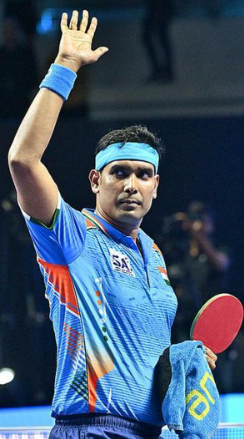
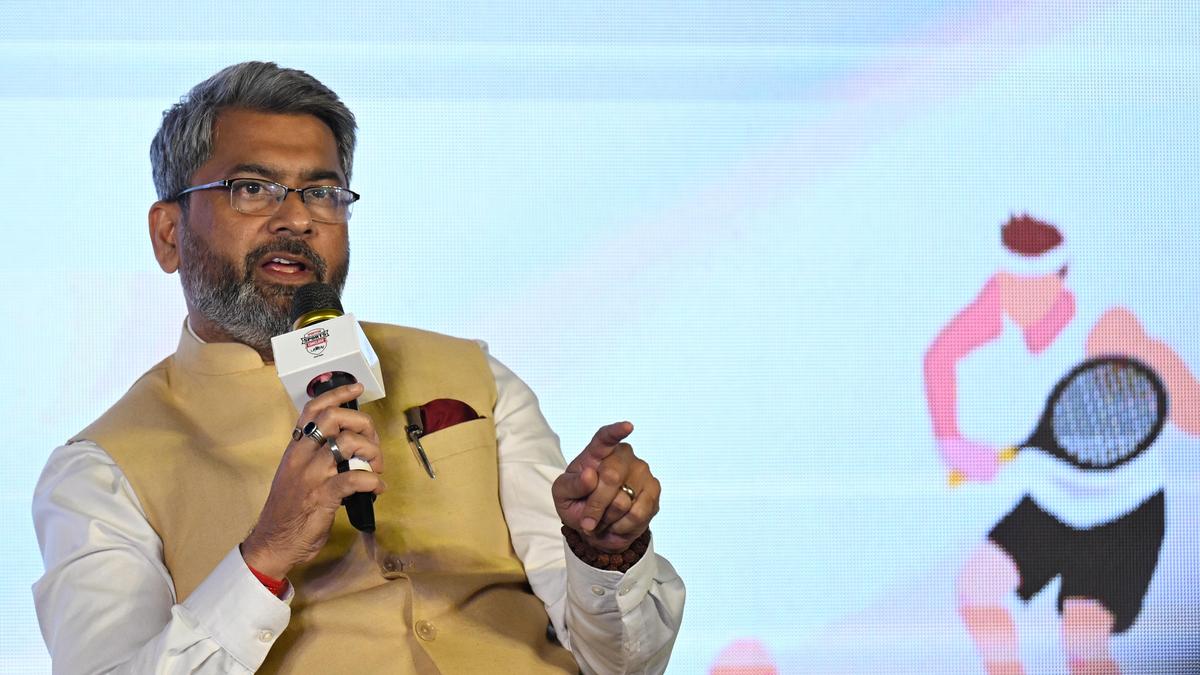
India’s athletes are unlikely to face major accommodation problems at the 2026 Asian Games in Aichi-Nagoya, according to deputy chef-de-mission A Sharath Kamal, who believes the contingent has already been adequately prepared for the unusual living arrangements.
The Asian Games, which begin on September 19, will not have a traditional athletes’ village. Instead, participants will be housed across hotels, a cruise ship and temporary container-style accommodation. Sharath Kamal said Indian athletes have already experienced similar conditions at Sports Authority of India (SAI) centres in India and should therefore be able to adjust quickly.
Sharath Kamal Says Accommodation Will Not Be a Major Challenge
Sharath Kamal, India’s deputy chef-de-mission for the Asian Games, said the country’s athletes know what to expect when they arrive in Japan.
The former Indian table tennis player explained that SAI had arranged container-style accommodation at several of its campuses so athletes could experience the conditions before travelling to Japan.
The preparation was designed to reduce uncertainty and help athletes become familiar with the limited space and facilities they will encounter during the Games.
Sharath said the players had been properly briefed and that he expected them to become accustomed to the environment quickly.
India Prepared Athletes for Container Accommodation
The unusual accommodation arrangements have been a major talking point ahead of the Aichi-Nagoya Asian Games.
Instead of constructing a conventional athletes’ village, organisers have arranged accommodation using several different options. These include commercial hotels, a docked cruise ship and temporary container-style housing.
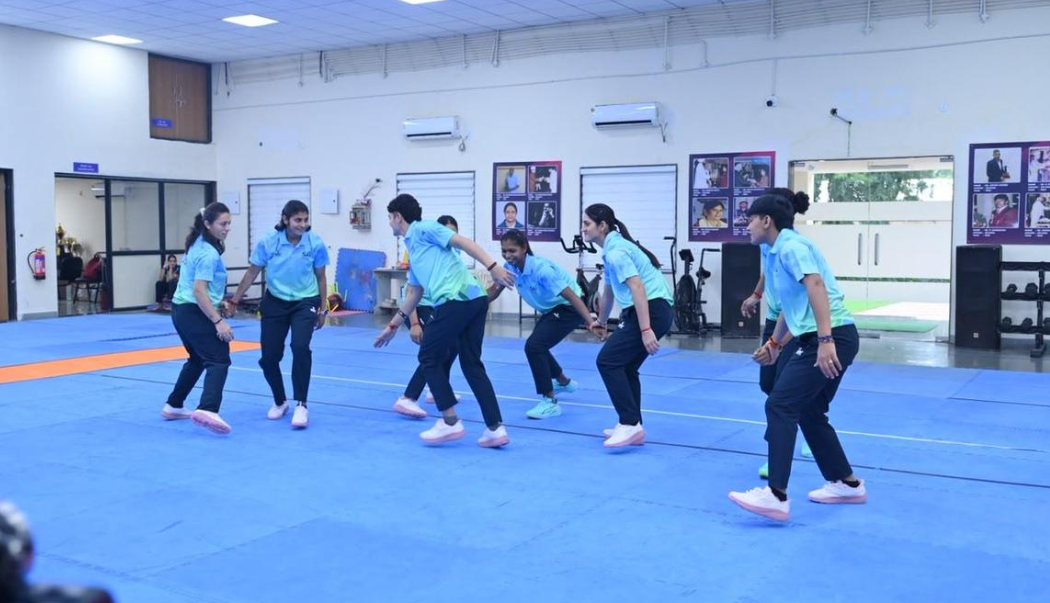
To prepare Indian athletes for the change, SAI created simulation facilities at centres including Patiala and Bengaluru.
The units were designed to replicate the type of accommodation athletes could encounter in Japan, giving them an opportunity to sleep, train and manage their equipment in a more compact environment.
What Are the Asian Games Container Rooms Like?
The container-style accommodation is significantly more compact than the traditional rooms athletes might expect at a major multi-sport event.
SAI’s simulation units in India were equipped with bedrooms, bathrooms, air conditioning, a kitchenette and storage areas. The purpose was not to recreate every detail of the Japanese accommodation but to familiarise athletes with the basic concept of living in a confined space.
The preparation also gave athletes an opportunity to understand how they could organise their belongings and equipment.
For some athletes, particularly those carrying large amounts of sporting equipment, space management can be an important part of adapting to the accommodation.
Around 2,000 Athletes to Stay in Container-Style Units
The Aichi-Nagoya Asian Games have adopted an unusual accommodation model because there is no conventional athletes’ village.
According to reports, around 2,000 athletes are expected to stay in converted container-style units at Garden Pier in Nagoya Bay, while approximately 4,000 to 5,000 participants will be accommodated aboard the Costa Serena cruise ship.
Other athletes and officials will stay in commercial hotels located near competition venues.
Organisers have said accommodation has been secured for more than 17,000 athletes and officials participating in the Games.
Accommodation Has Drawn Criticism From Some Teams
The accommodation arrangements have not received universal approval.
Some participating delegations have raised concerns about the limited space available in the container-style rooms. South Korea’s basketball contingent, for example, has expressed concerns about room dimensions and bed sizes.
The issue has become more prominent as teams arrive in Japan and assess the facilities ahead of the opening ceremony.
Asian Games organisers have said they are working to address concerns and improve living conditions where necessary. A resident centre has also been established to respond to accommodation-related issues.
Sharath Kamal More Concerned About Officials
While Sharath Kamal believes Indian athletes are prepared for the unusual accommodation, he indicated that officials may face a different adjustment.
The athletes had an opportunity to experience the container simulations in India, while officials did not necessarily receive the same preparation.
For the athletes, however, the experience is expected to make the transition less unfamiliar once they reach Japan.
The objective is ultimately to ensure that accommodation does not become a distraction from competition.
India Has 501 Athletes at Aichi-Nagoya
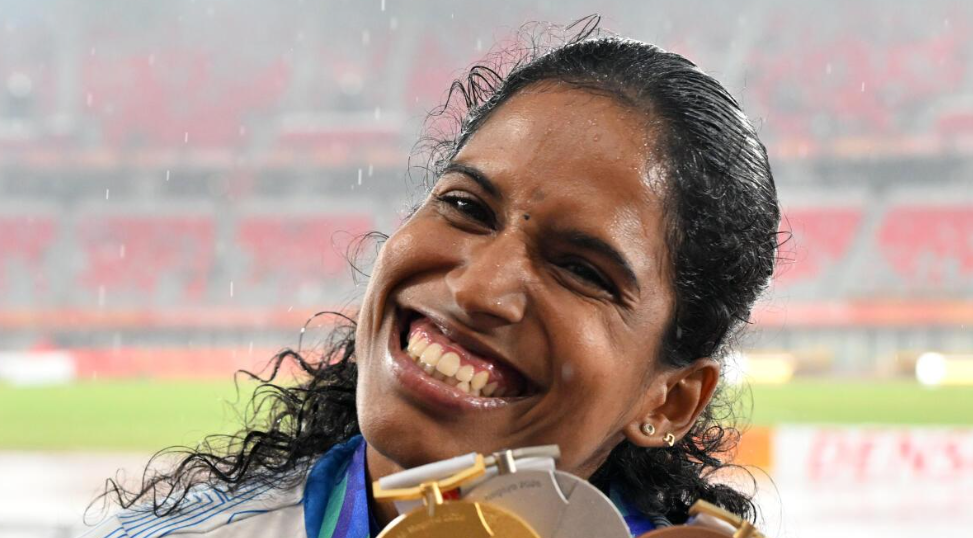
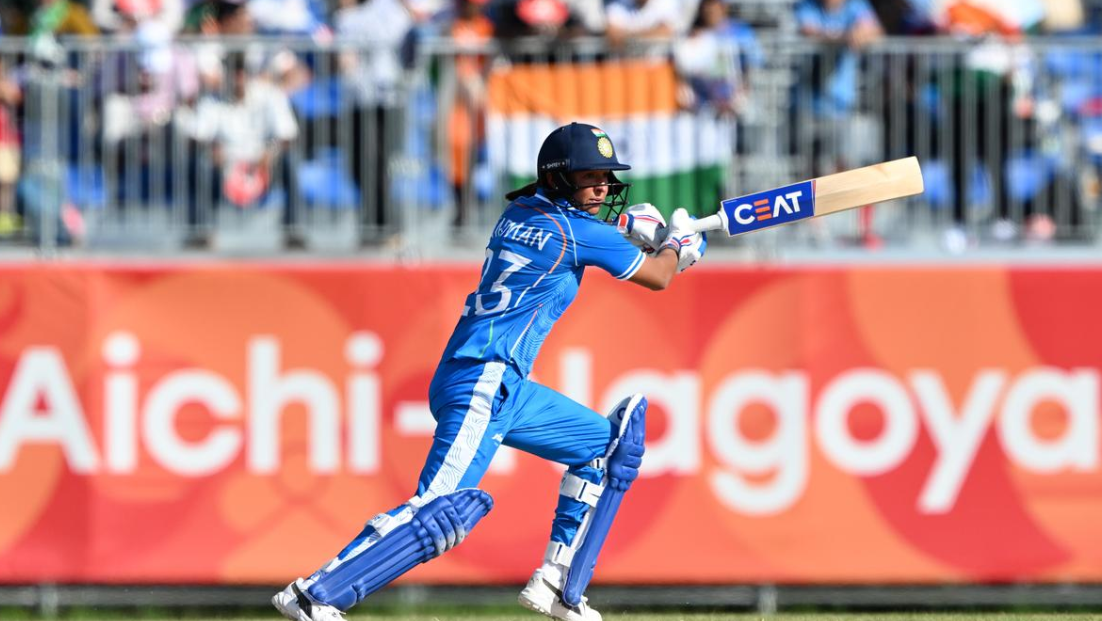
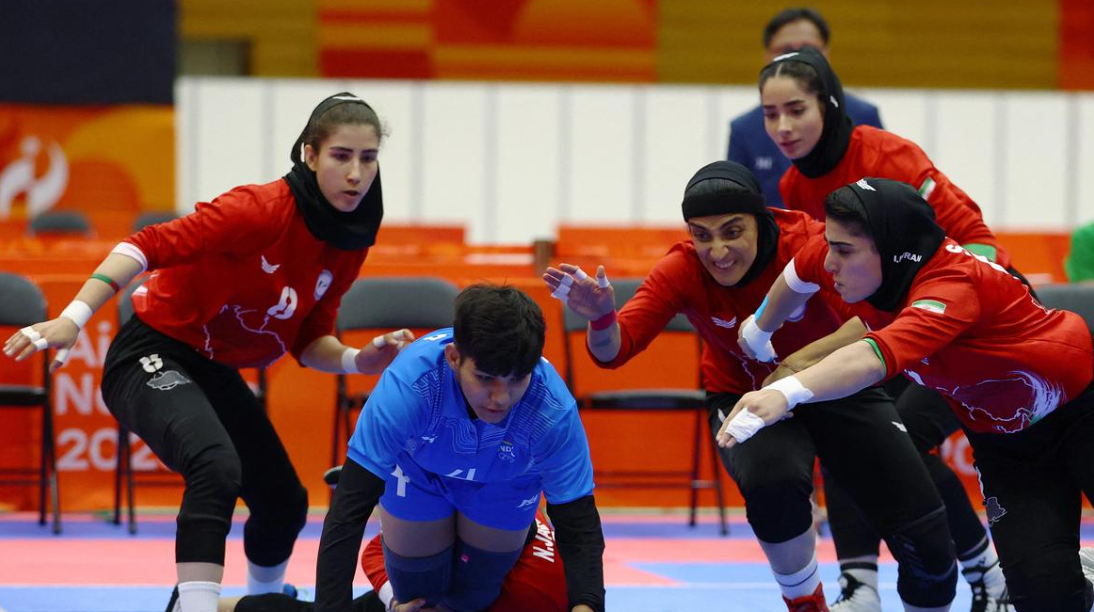
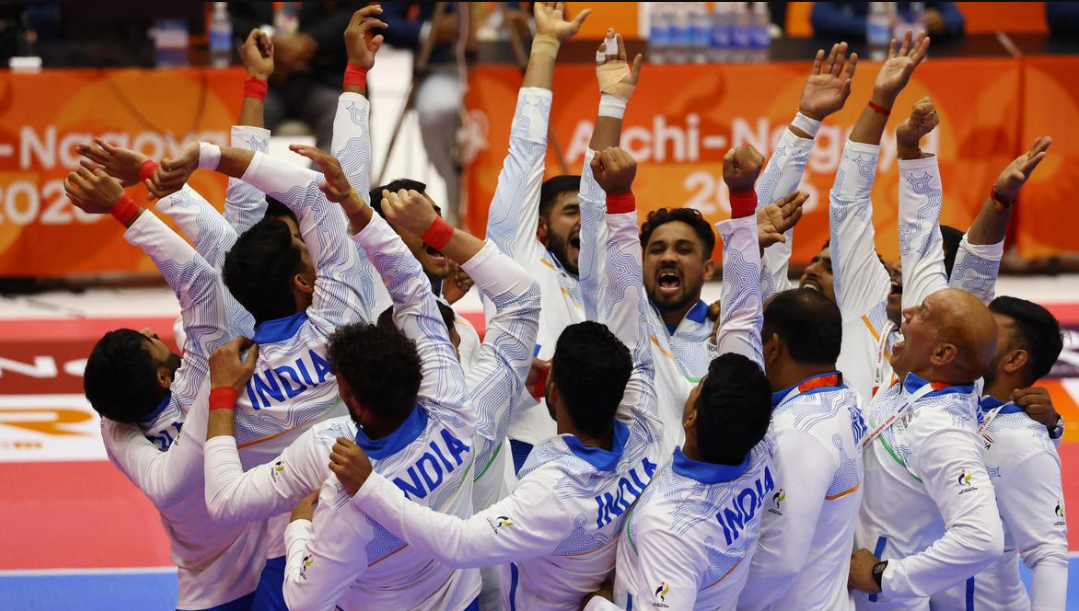
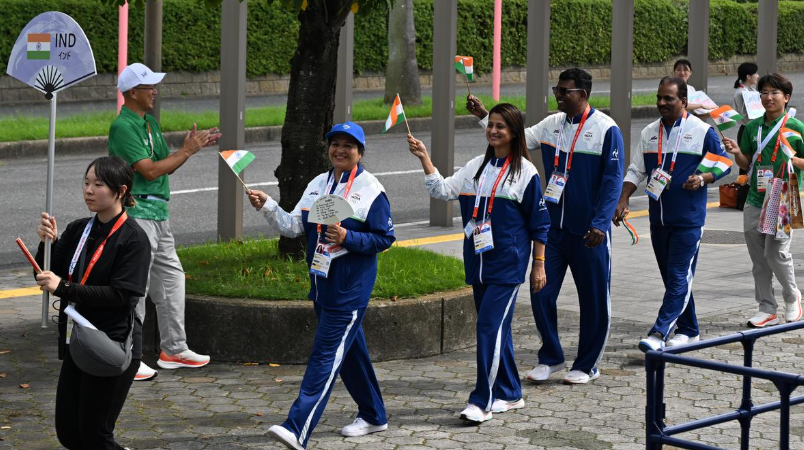
India is sending 501 athletes and 265 officials to the 2026 Asian Games.
The contingent will compete across multiple disciplines as India seeks to build on its performance at the previous edition in Hangzhou.
The Aichi-Nagoya Games will feature around 17,000 athletes and officials from 45 nations and regions, competing in 469 medal events across 43 sports.
With such a large international field, organisers have had to use a combination of accommodation options rather than relying on a single athletes’ village.
India Also Prepared for Japanese Food and Culture
India’s preparation for the Asian Games has gone beyond accommodation.
SAI facilities have also been used to introduce athletes to aspects of Japanese culture and cuisine. At the Bengaluru centre, the preparation included Japanese-themed surroundings and food such as sushi, ramen, tempura and yakitori.
The idea was to reduce the number of unfamiliar elements athletes would encounter after arriving in Japan.
By experiencing aspects of Japanese life before travelling, athletes could focus more closely on their sporting responsibilities once competition begins.
Sharath Kamal Targets Table Tennis Medals
Sharath Kamal is also looking closely at India’s prospects in table tennis.
India’s table tennis squad consists of 10 players — five men and five women — for the Aichi-Nagoya Games.
Sharath has identified the men’s doubles combination of Manush Shah and Manav Thakkar, along with the mixed doubles pairing of Manush Shah and Diya Chitale, as events where India could challenge for medals.
India won one table tennis medal at the previous Asian Games in Hangzhou, when Sutirtha Mukherjee and Ayhika Mukherjee secured bronze in women’s doubles.
Asian Games 2026 Begin on September 19
The Aichi-Nagoya Asian Games will officially begin on September 19 and run until October 4.
The event is being hosted across Aichi Prefecture and other locations in Japan, with athletes competing in a wide range of sports.
The Games are taking place under an accommodation model that differs significantly from previous editions, with no traditional athletes’ village and participants distributed among hotels, cruise-ship facilities and temporary housing.
For India, officials believe the advance preparation will help athletes adjust without allowing the accommodation arrangements to interfere with their competitive goals.
Bottom Line
Sharath Kamal has played down concerns about India’s accommodation arrangements at the 2026 Asian Games, saying Indian athletes have already been prepared for the unusual conditions they will encounter in Aichi-Nagoya.
SAI created container-style accommodation facilities in India to give athletes first-hand experience of living in compact spaces before travelling to Japan. India will also have athletes staying in hotels and on the Costa Serena cruise ship.
While some participating nations have raised concerns about the size and comfort of the container rooms, Sharath believes India’s athletes understand what to expect and will adapt quickly.
With the Asian Games opening on September 19, India’s focus will now shift from accommodation preparations to competition as its 501-athlete contingent begins its medal campaign.