 0
 0
For athletes from modest backgrounds, professional kabaddi can offer opportunities that were once difficult to imagine.
Training often begins with limited resources. Young players may practise on local grounds, school fields or village courts, developing strength, endurance and technique without access to the facilities available to elite athletes.
Yet determination can bridge some of those gaps.
The rise of professional kabaddi has created new opportunities for players to turn their sporting abilities into careers. Competitive leagues, domestic tournaments, government incentives and performance-based rewards have helped increase the financial possibilities associated with the sport.
For successful players, those earnings can change the economic circumstances of an entire household.
A house, therefore, can become more than a physical structure. It can represent years of early-morning training, injuries endured, tournaments won and sacrifices made by both the athlete and the family.
The Real Price Behind Sporting Success
The image of a successful kabaddi player is often defined by medals, trophies and applause.
The reality is considerably more demanding.
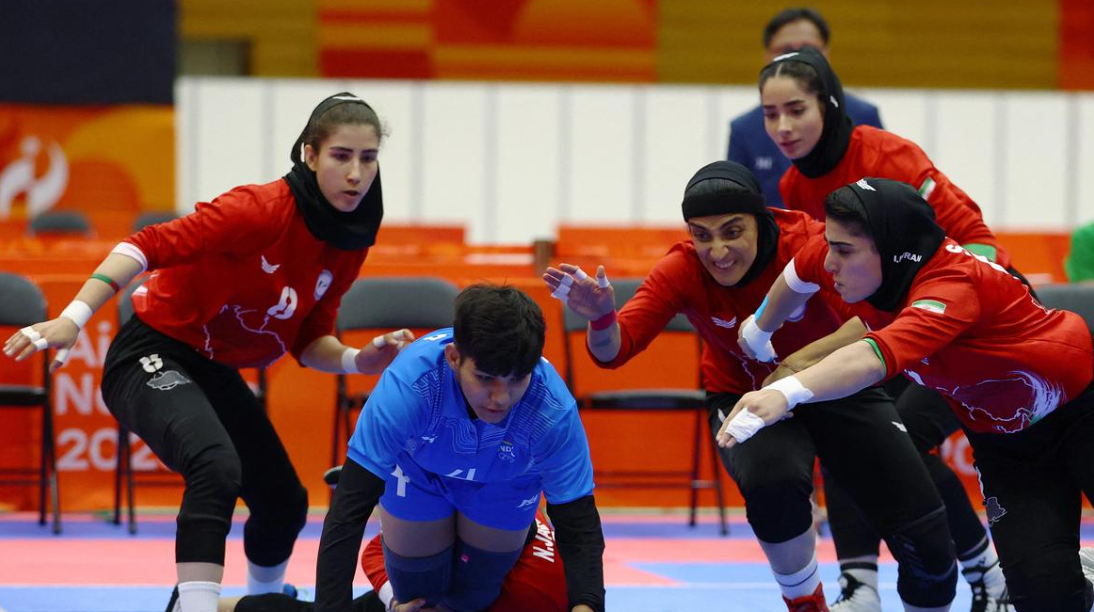
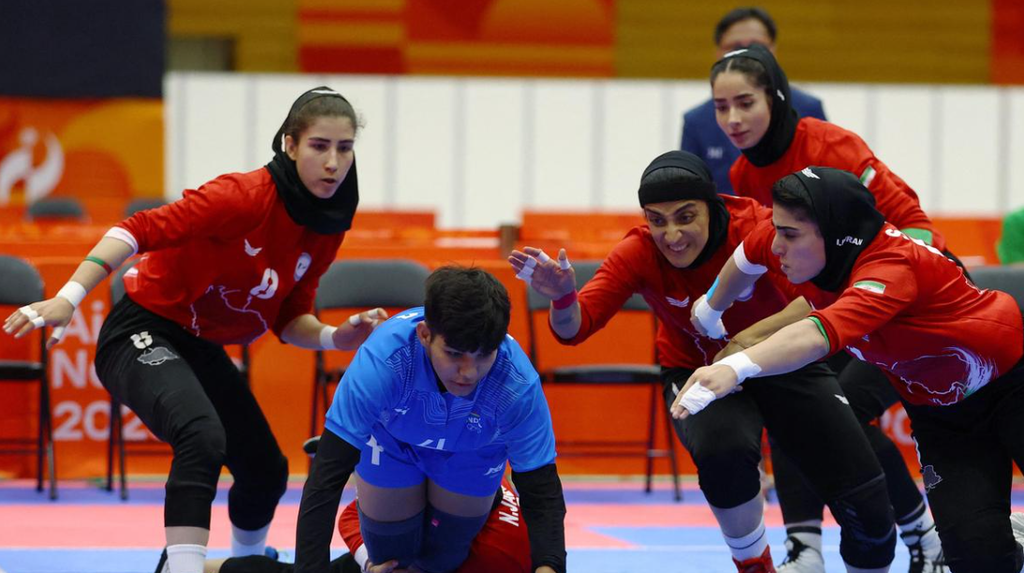
Kabaddi requires explosive strength, speed, balance and tactical intelligence. Players must repeatedly sprint, defend, raid and recover while operating under intense physical pressure.
Training is only one part of the challenge.
Athletes must also cope with injuries, selection uncertainty, competition for places and the pressure of performing when opportunities are limited.
For players from financially constrained families, the stakes can be even higher. Sporting success may represent not only personal ambition but also a chance to support parents, siblings and future generations.
That is why stories of athletes using their kabaddi earnings to build homes carry such emotional significance.
A House as a Symbol of Achievement
In many Indian communities, owning a permanent home remains one of the strongest symbols of financial progress.
For a kabaddi player, building a house through sporting income can mark a dramatic transformation.
The house may stand as evidence that years spent on dusty training grounds and competitive arenas have produced something tangible.
Every room can carry a different memory: the early struggles of the family, the athlete’s first tournament, the breakthrough performance, the difficult seasons and eventually the financial rewards that made construction possible.
In this sense, the house becomes a second trophy.
Unlike a medal, however, it is not displayed for a season or a single achievement. It becomes part of the family’s everyday life.
Kabaddi’s Growing Economic Impact
The evolution of kabaddi in India has changed the financial landscape for elite players.
The sport has moved from predominantly local and traditional competitions into a more organised professional ecosystem. The growth of televised competitions and professional leagues has increased visibility for players and created commercial opportunities around the sport.
This development has also changed perceptions of kabaddi as a career.
For talented young athletes, the possibility of earning a professional income can provide a powerful incentive to pursue the sport seriously.
The impact can extend beyond individual players. Families can benefit through improved housing, education, healthcare and small-business investment.
Local communities can also benefit when successful athletes become role models for younger generations.
The Importance of Family Support
Behind many sporting careers is a family that makes its own sacrifices.
Parents may encourage children to continue training despite financial uncertainty. Families may adjust household responsibilities around competitions and travel. In some cases, relatives provide emotional and practical support when an athlete faces injury or disappointment.
The eventual construction of a family home can therefore represent collective achievement.
It is not simply the athlete’s victory.
It is also a recognition of the people who supported the journey when success was still uncertain.
From Rural Grounds to National Recognition
Kabaddi has deep roots in India’s rural and semi-urban communities.
For generations, the sport has been played in local competitions where athleticism and tactical skill could be developed without expensive equipment.
That accessibility remains one of kabaddi’s strengths.
A young player does not necessarily need sophisticated infrastructure to begin learning the fundamentals. What matters initially is discipline, physical ability and access to a playing environment.
Professional opportunities can then provide a pathway for exceptional talent to reach higher levels of competition.
This connection between grassroots sport and professional success is important for India’s sporting ecosystem.
It demonstrates how traditional sports can create economic and social mobility when talented athletes are given the right platforms.
Gold Is More Than a Medal
The phrase “gold” in a kabaddi success story does not have to refer only to a championship medal.
It can also represent what comes after the victory.
Gold can mean financial independence.
It can mean a secure home for parents.
It can mean better educational opportunities for children.
It can mean the ability to invest in a business or prepare for life after retirement from professional sport.
For athletes, the most meaningful reward may therefore be the ability to convert temporary sporting success into lasting financial security.
Building a Future Beyond Kabaddi
An athlete’s professional career is often relatively short.
Physical performance naturally changes with age, while injuries can accelerate retirement. This makes financial planning particularly important for professional players.
Using sporting income to acquire property, invest in education or build a sustainable business can help athletes prepare for life after competition.
A house can be one of the most visible examples of this transition.
It provides stability during an athlete’s career and remains an asset long after the final match.
For younger kabaddi players, such examples can provide an important lesson: success should not only be measured by what happens inside the arena, but also by what an athlete is able to build outside it.
The Legacy of a Kabaddi Career
The greatest legacy of a kabaddi player may ultimately be measured by the lives changed through the sport.
A championship can inspire a generation. A medal can become part of sporting history. But a home built through years of hard work can directly change a family’s future.
That is the deeper meaning behind stories of grit, gold and a house that kabaddi built.
They remind us that sport is not always just about winning competitions.
For athletes who come from humble beginnings, sport can become a vehicle for dignity, opportunity and transformation.
The kabaddi mat may be where the journey begins, but the impact of that journey can reach far beyond the arena.
For one family, the final score may not be written on a scoreboard at all. It may be written in bricks, walls, a roof and a home built from years of courage, discipline and determination.