 0
 0
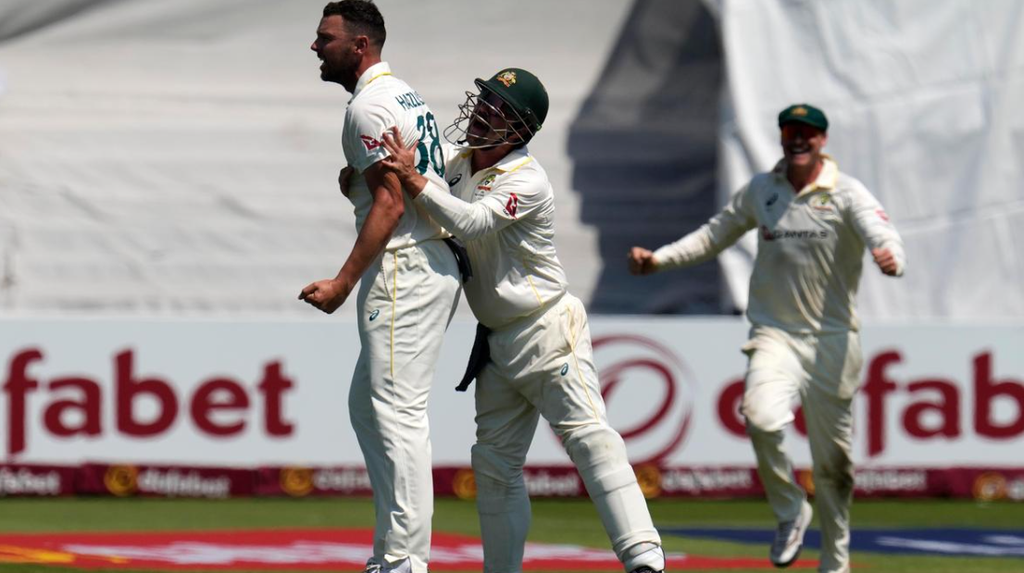
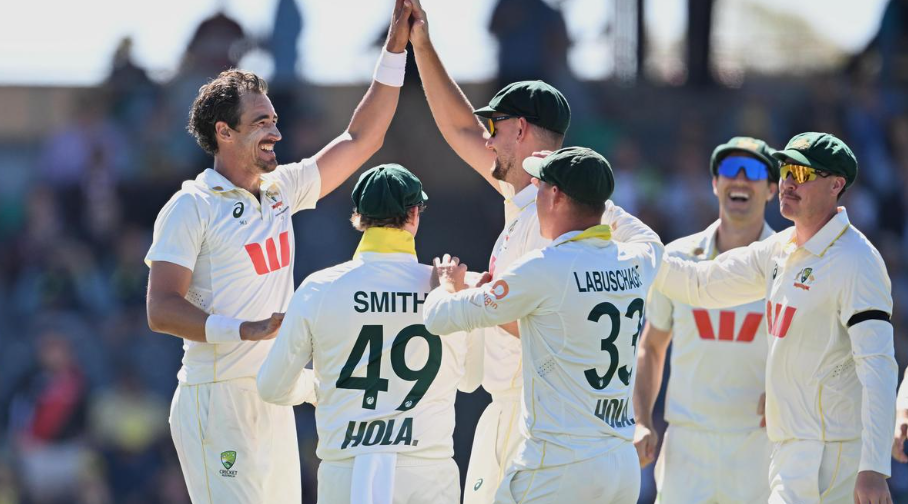
Australia defeated South Africa by 214 runs in the first Test at Kingsmead, Durban, on October 13, 2026, after an outstanding bowling performance from Josh Hazlewood. The Australian fast bowler claimed a career-best six wickets for 49 runs, helping his team secure a commanding victory and take a 1-0 lead in the three-match Test series.
The match showcased Australia’s resilience after an uncertain start with the bat. Matt Renshaw played a crucial role with two impressive innings, while Hazlewood delivered the decisive blows to South Africa’s batting lineup on the final day.
The result gave Australia an important advantage in the series and highlighted the team’s ability to recover from difficult situations and maintain pressure throughout a five-day Test match.
Josh Hazlewood Leads Australia’s Bowling Attack
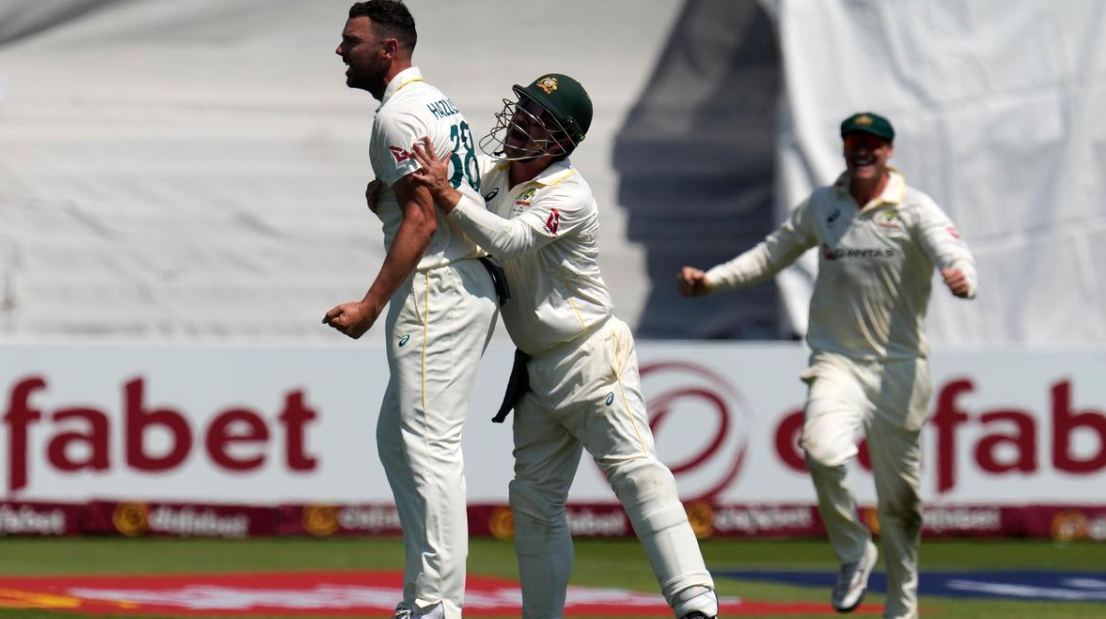
Josh Hazlewood was the standout performer with the ball, finishing with figures of 6/49 in South Africa’s second innings. His accuracy, discipline, and ability to exploit the conditions proved decisive as Australia moved closer to victory.
South Africa resumed their final innings needing 421 runs to win. Although Aiden Markram offered determined resistance, scoring 75 runs from 237 deliveries, the home side struggled to build partnerships that could challenge Australia’s target.
Hazlewood broke through at key moments, including the dismissals of Marco Jansen and Simon Harmer. His ability to strike with the second new ball helped Australia dismantle the lower order.
South Africa eventually collapsed to 206 all out, losing their final four wickets for just five runs. Hazlewood’s exceptional figures underlined his importance to Australia’s pace attack and secured a memorable finish to the opening Test.
Matt Renshaw’s Brilliant Batting Sets Up the Win
While Hazlewood dominated with the ball, Matt Renshaw provided the foundation for Australia’s victory with a remarkable performance with the bat.
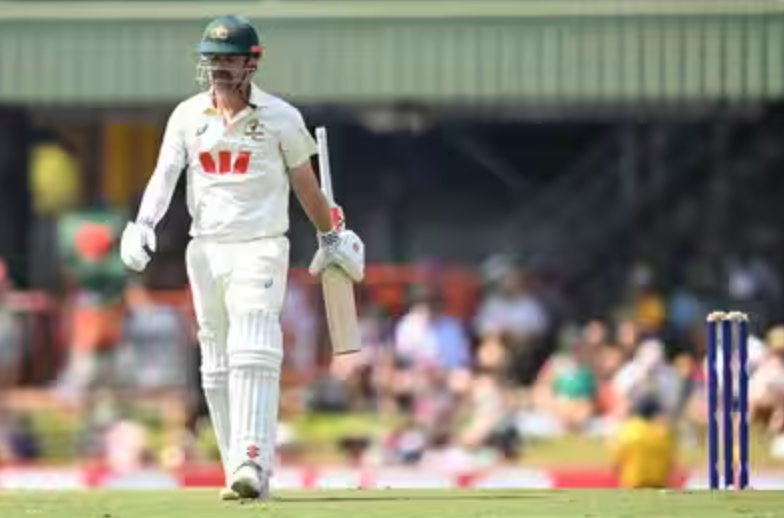
Renshaw scored 190 runs in Australia’s first innings, helping his team recover after losing early wickets. His composed approach and ability to build a substantial innings transformed Australia’s position in the match.
Australia finished their first innings on 390, establishing a competitive total despite facing early pressure.
Renshaw continued his excellent form in the second innings, adding another 82 runs as Australia declared at 314/6. His combined batting performance gave the visitors a strong advantage and earned him the Player of the Match award.
He also contributed with the ball, taking two wickets in South Africa’s second innings. His dismissal of Kyle Verreynne proved particularly valuable when Australia needed to break a stubborn partnership.
Renshaw’s all-round contribution demonstrated how individual performances can influence the outcome of a closely contested Test match.
South Africa Fight Back but Fall Short
South Africa showed determination during parts of the contest but could not sustain the pressure required to defeat Australia.
After Australia posted 390 in the first innings, South Africa responded with 284. David Bedingham scored 49 runs, while the Australian bowlers kept the hosts from taking a first-innings lead.
Australia then strengthened their position with 314/6 declared in their second innings, setting South Africa a challenging target of 421 runs.
Aiden Markram became the main obstacle to Australia’s victory push. His patient 75-run innings kept South Africa’s hopes alive, supported by Wiaan Mulder, who scored 29, and Marco Jansen, who added 35.
However, Australia’s bowlers maintained their discipline and eventually broke through the resistance. Once the partnership between Markram and Mulder ended, South Africa’s lower order quickly collapsed.
The home side was bowled out for 206, handing Australia a comprehensive 214-run victory.
Australia Take a 1-0 Lead in the Test Series
The victory gives Australia a valuable 1-0 advantage in the three-match series against South Africa. It also provides confidence ahead of the second Test, scheduled to begin in Gqeberha on October 18, 2026.
Australia’s performance was built on a combination of resilience, disciplined bowling, and strong contributions from key players. Renshaw’s batting gave the visitors control of the match, while Hazlewood’s six-wicket haul ensured that South Africa could not complete a successful chase.
For South Africa, the defeat highlights the importance of building stronger partnerships and avoiding sudden batting collapses. Captain Temba Bavuma and his team will need to respond positively in the next match to keep the series competitive.
The upcoming Test presents an opportunity for South Africa to recover, while Australia will aim to maintain their momentum and move closer to a series victory.
Josh Hazlewood’s six-wicket haul powered Australia to a convincing 214-run victory over South Africa in the first Test at Durban. His career-best figures of 6/49, combined with Matt Renshaw’s outstanding scores of 190 and 82, proved decisive in a match that tested Australia’s resilience and batting depth.
With a 1-0 lead in the series, Australia have established a strong position heading into the second Test. South Africa, meanwhile, must address their batting struggles and find a way to counter Australia’s disciplined bowling attack.
The opening Test delivered a clear message: strong individual performances, effective partnerships, and consistent execution remain essential ingredients for success in international Test cricket.