 0
 0
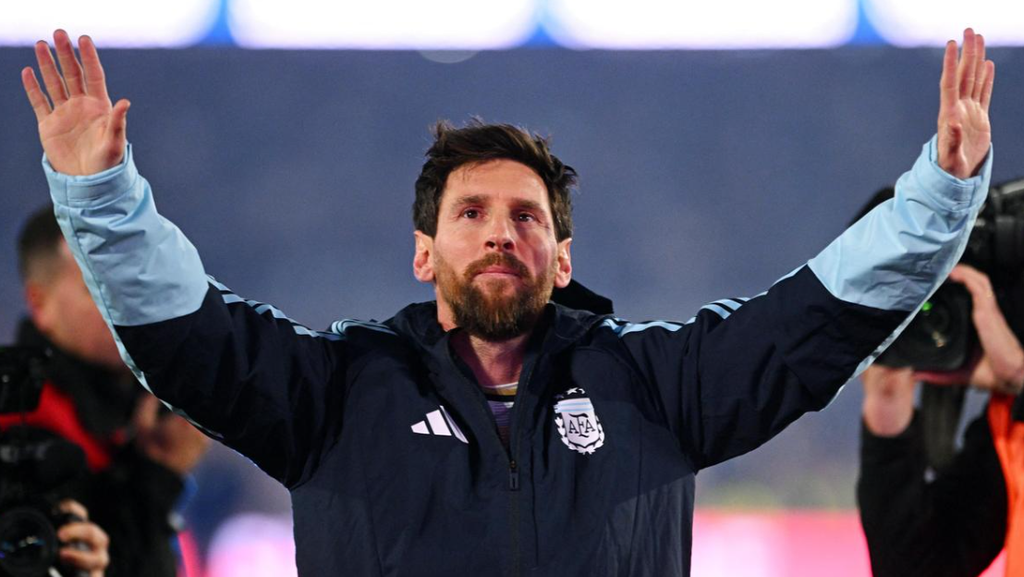
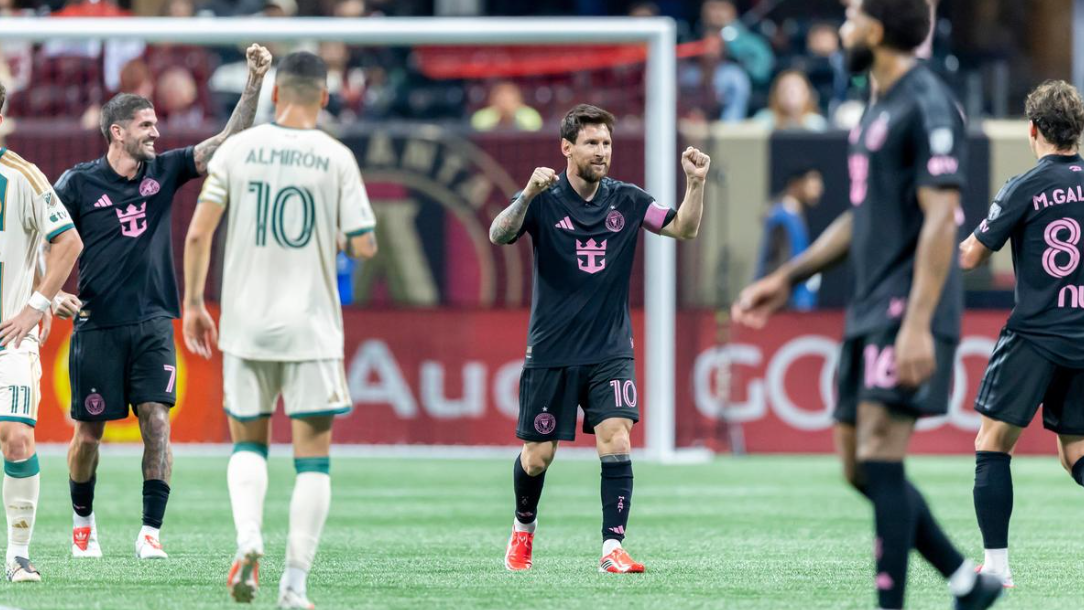
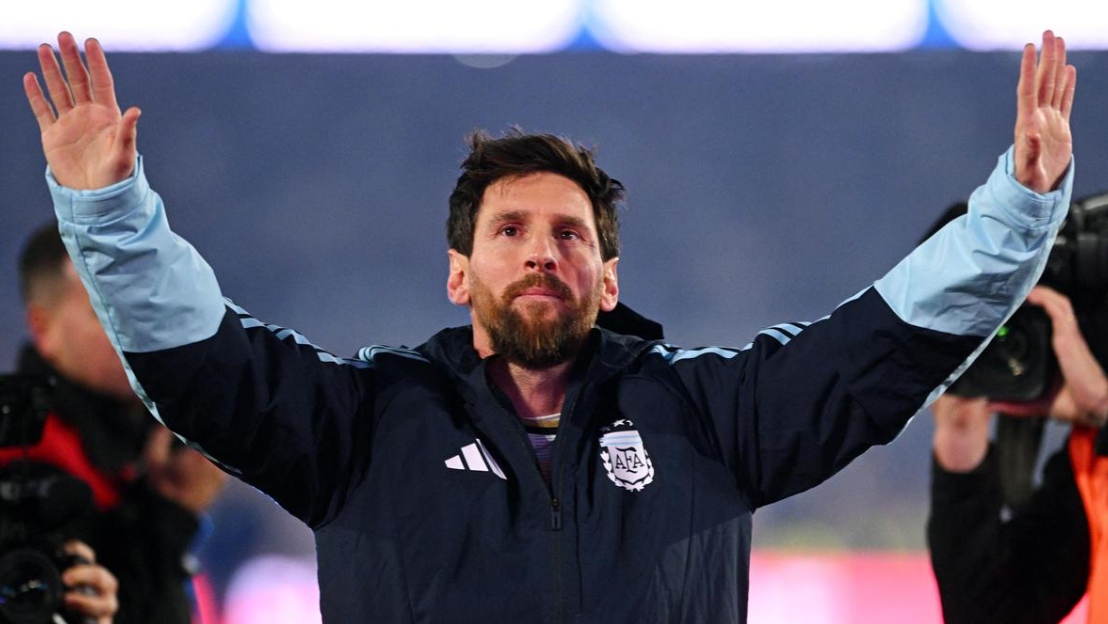
Lionel Messi has officially retired from international football after ending his legendary Argentina career with a goal and two assists in a 3-0 victory over Benin. The emotional farewell took place at the Estadio Monumental in Buenos Aires, where more than 85,000 fans gathered to witness the final chapter of one of football’s greatest international careers.
At 39, Messi walked onto the pitch for the final time wearing Argentina’s famous No. 10 shirt. Rather than simply appearing for a ceremonial farewell, the captain produced another decisive performance, helping Argentina defeat Benin in a match that became a celebration of his extraordinary 21-year journey with the national team.
Messi’s final international appearance was his 208th for Argentina, while his penalty in the second half took his international goal tally to 126, both national records.
Messi’s Final Argentina Match Ends in Victory
Argentina defeated Benin 3-0 in the international friendly at the Monumental.
After a goalless first half, Nicolás Otamendi opened the scoring in the 48th minute following a Messi corner. Messi then created Argentina’s second goal for Nico Paz before completing the scoreline himself from the penalty spot in the 71st minute.
The result was almost secondary to the occasion.
For Argentina, this was the night the country finally said goodbye to the player who had represented its national team for more than two decades.
Messi Scores His Final International Goal
The most fitting moment came in the 71st minute.
Messi stepped up to take a penalty and calmly converted it, scoring his 126th international goal for Argentina.
The Monumental erupted.
It was the final goal of a remarkable international career that began in 2005 and included some of the most memorable moments in modern football.
Messi had already assisted Otamendi and Paz before scoring himself, meaning he directly contributed to all three of Argentina’s goals.
His final performance was therefore more than a farewell appearance. It was another reminder of the creativity and influence that defined his career.
21 Years of Lionel Messi with Argentina
Messi’s international journey lasted 21 years.
He made his Argentina debut as a teenager in 2005, beginning a career that would eventually transform his relationship with the country.
His early years with Argentina were marked by enormous expectations.
Despite becoming one of the world’s best players with Barcelona, Messi initially struggled to reproduce the same level of success with the national team.
Final defeats and missed opportunities led to intense criticism.
At one point, the pressure became so great that Messi briefly announced his international retirement in 2016 before returning to the national team.
His eventual transformation from a heavily criticised superstar into an adored national icon became one of the defining stories of his career.
From Criticism to National Hero
Messi’s relationship with Argentina changed dramatically after the 2021 Copa América.
That tournament ended Argentina’s long wait for a major senior international trophy, with Messi finally lifting an international title with his country.
A year later came the Finalissima victory over Italy.
Then came the ultimate achievement.
The 2022 World Cup
At the 2022 FIFA World Cup in Qatar, Messi led Argentina to the world title.
The final against France became one of the greatest matches in World Cup history, with Messi scoring twice before Argentina eventually won on penalties.
The victory changed the conversation around Messi’s international career forever.
For years, comparisons with Diego Maradona had followed him.
After Qatar, the debate became far less about what Messi had failed to achieve and much more about the extraordinary legacy he had created.
Messi’s International Legacy by the Numbers
Messi leaves Argentina with a collection of records that may take generations to challenge.
His final international statistics include:
- 208 appearances for Argentina.
- 126 international goals.
- Argentina’s all-time leading scorer.
- Argentina’s most-capped player.
- Two Copa América titles.
- One FIFA World Cup title.
- A Finalissima triumph.
- More than two decades representing the national team.
His final appearance also saw him provide two assists, taking another significant place in Argentina’s record books.
These numbers illustrate the scale of Messi’s contribution.
But statistics alone cannot capture what his presence meant to Argentine football.
The Monumental Says Goodbye to Messi
The atmosphere at the Monumental reflected the significance of the occasion.
More than 85,000 supporters packed the stadium for Messi’s final Argentina appearance.
The match was briefly stopped in the 10th minute — a tribute to Messi’s iconic shirt number — allowing the crowd to give the captain a prolonged standing ovation.
Messi was visibly emotional throughout the evening.
He arrived at the stadium with his children and later struggled to contain his tears during the national anthem.
After the final whistle, a drone show illuminated the Buenos Aires sky with tributes to the Argentina No. 10.
It was a farewell designed not merely to celebrate a footballer, but to recognise a national sporting icon.
Messi Leaves Argentina as a World Champion
One of the most important aspects of Messi’s retirement is how different his final chapter looks compared with the beginning.
For much of his early international career, Messi was judged by what Argentina had not won.
By the time he played his final match, he had delivered the country’s greatest prize.
His World Cup triumph, two Copa América titles and Finalissima success gave him a complete international trophy collection.
That transformation also changed how Argentines viewed him.
The player once criticised for supposedly failing to replicate his club form for Argentina ultimately became one of the country’s most beloved sporting figures.
Argentina Must Now Begin Life Without Messi
Messi’s retirement creates an enormous challenge for Argentina.
The national team has spent years building its tactical identity around his unique abilities.
His passing, dribbling, vision, set-piece quality and ability to decide matches individually cannot simply be replaced by another player.
However, Argentina does have an emerging generation of talent.
Players such as Nico Paz and Franco Mastantuono represent the next wave of attacking talent, while Lionel Scaloni’s established squad still contains several experienced players.
The transition will not necessarily mean rebuilding everything.
Instead, Argentina may gradually evolve into a team that relies more heavily on collective creativity rather than one extraordinary individual.
Nico Paz Scores on a Night of Transition
Nico Paz’s goal against Benin carried additional significance.
The young midfielder scored Argentina’s second goal after Messi had already created the opening goal for Otamendi.
Paz is among the younger players who could become increasingly important in Argentina’s post-Messi era.
His goal therefore felt symbolic: while Argentina was saying goodbye to its greatest modern star, another generation was beginning to step forward.
The presence of young players alongside Messi made the farewell feel like both an ending and a beginning.
Messi’s Final Match Was About More Than Football
Argentina’s 3-0 win over Benin will not necessarily be remembered as one of the country’s most important victories on the pitch.
Instead, the match will be remembered because of what it represented.
It was the final time Messi would wear Argentina’s No. 10 shirt in an international match.
It was the final time supporters at the Monumental would see their captain lead the national team.
And it was the final opportunity for Argentina to celebrate a player who had spent 21 years representing the country.
Even the opposing players joined in the farewell, underlining Messi’s global influence beyond Argentina.
Messi’s Emotional Message to Argentina
After the match, Messi addressed the crowd and reflected on what playing for Argentina had meant to him.
The emotions were clear.
Messi had previously explained that he had given everything he could to the national team and that younger players deserved an opportunity to take the team forward.
His decision therefore represents a carefully timed transition rather than simply the end of his football career.
Messi is retiring from international football, not necessarily from professional football altogether.
He remains contracted to Inter Miami through 2028, meaning fans can still expect to see the Argentine superstar play at club level.
The End of an Era for Argentina
Lionel Messi’s international retirement represents the end of an era.
For 21 years, Argentina had one constant at the centre of its football story.
There were painful defeats, missed opportunities and moments when Messi’s relationship with the national team seemed uncertain.
But there were also unforgettable triumphs.
The 2021 Copa América.
The 2022 Finalissima.
The 2022 World Cup.
And now, the final goal against Benin at the Monumental.
Messi leaves international football not with regret, but with the most complete legacy possible.
A Perfect Final Chapter for Lionel Messi
There could hardly have been a more fitting ending.
Messi played his 208th and final match for Argentina, scored his 126th international goal, created two more goals and watched his country win 3-0.
But the numbers only tell part of the story.
The tears, the standing ovation, the No. 10 shirt, the packed Monumental and the celebrations in Buenos Aires captured something statistics cannot measure.
Lionel Messi retires from international football as a World Cup champion, a record-breaking Argentina captain and one of the greatest players the game has ever seen.
Argentina defeated Benin 3-0.
But the real result of the night was a final, emotional “Gracias, Leo.”