 0
 0
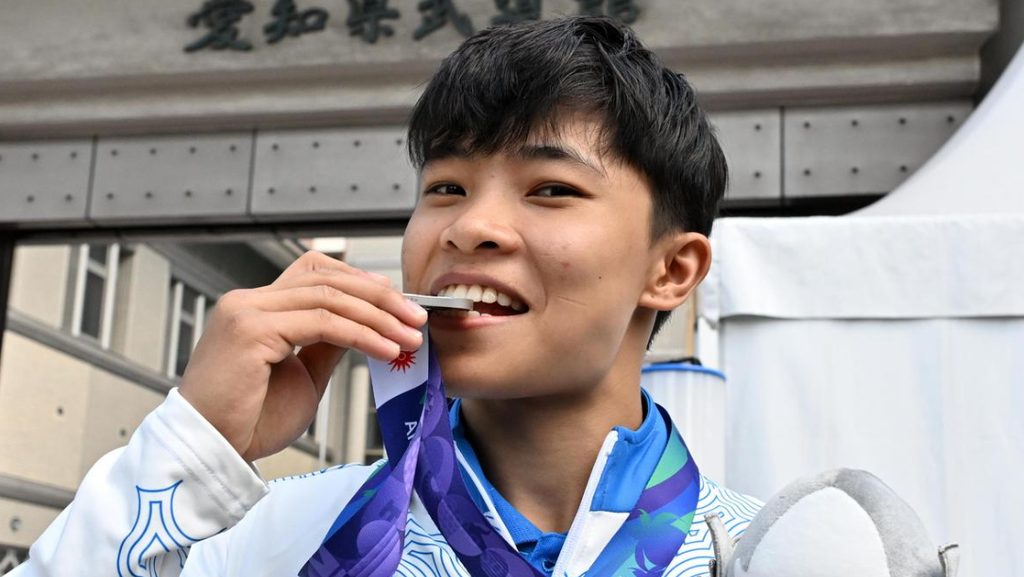
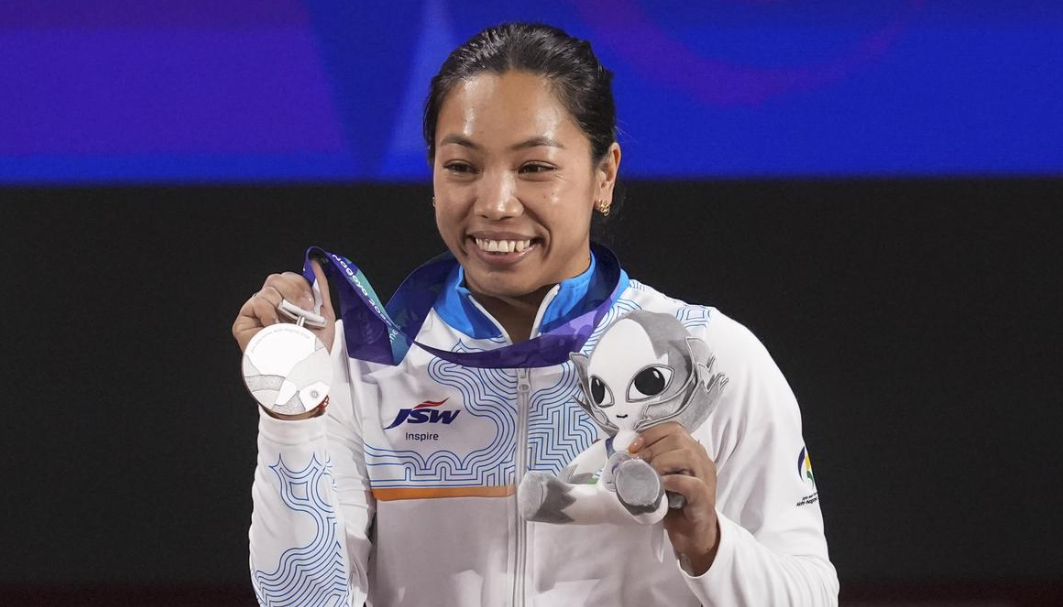
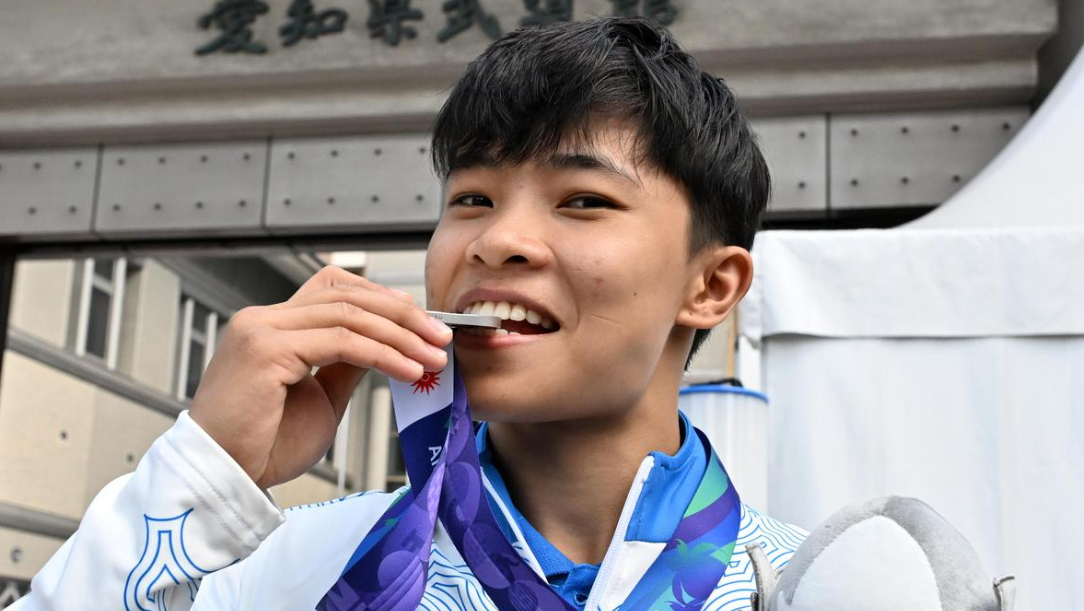
Roshibina Devi Wins Second Consecutive Asian Games Silver
Roshibina entered the women’s 60kg Sanda final after an impressive run through the competition.
The Indian athlete secured her place in the medal rounds before defeating Indonesia’s Thania Kusumaningtyas 2-0 in the semifinal. That victory guaranteed Roshibina another Asian Games medal.
However, the final against Zhang Xiaoyu proved much more difficult.
The Chinese fighter controlled the contest and won both rounds by 5-0 margins. Roshibina was unable to overturn Zhang’s advantage, leaving her with another silver medal in the 60kg Sanda category.
A Third Asian Games Medal for Roshibina Devi
The silver medal in Aichi-Nagoya is Roshibina’s third Asian Games medal.
Her record at the continental Games now stands at:
- 2018 Jakarta-Palembang: Bronze, women’s 60kg Sanda
- 2023 Hangzhou: Silver, women’s 60kg Sanda
- 2026 Aichi-Nagoya: Silver, women’s 60kg Sanda
With the latest medal, Roshibina has become the first Indian wushu athlete to win medals at three consecutive Asian Games.
The achievement underlines her consistency at the Asian Games, particularly in a sport where China has traditionally been one of the strongest nations.
China’s Zhang Xiaoyu Takes Gold
Zhang Xiaoyu produced a commanding performance in the final.
The Chinese athlete won both rounds against Roshibina by 5-0, securing the women’s 60kg Sanda gold medal without dropping a round.
For Roshibina, the result means she will once again return home with silver rather than gold. She had also finished second in the same event at the Hangzhou Asian Games.
The latest defeat nevertheless came after Roshibina had navigated a challenging tournament and reached the final for the third consecutive Asian Games edition.
Roshibina Overcame a Difficult Road to the Final
Roshibina’s Asian Games 2026 campaign was notable even before she stepped into the final.
She had been brought into India’s squad after teammate Divyanshi Choudhary was withdrawn following an injury. The change generated controversy before the Games, with Divyanshi making allegations concerning the selection process. The Wushu Association of India rejected those allegations and cited medical reasons for the replacement.
Roshibina subsequently focused on competition.
Her performances in Japan allowed her to put the selection controversy aside on the field and reach another Asian Games final.
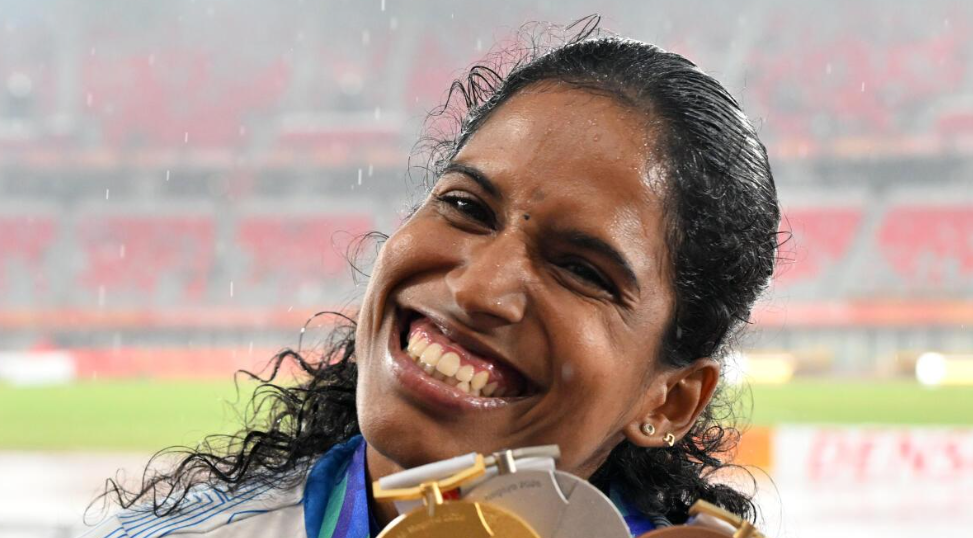
After securing the silver medal, Roshibina said she wanted to continue working toward changing the colour of her medal in future competitions.
Victory Over a World Champion Highlighted Her Campaign
One of the most significant moments in Roshibina’s run came before the final.
She defeated Vietnam’s Nguyen Thi Thu Thuy, the reigning 2023 world champion, during her campaign in the women’s 60kg Sanda event.
That victory demonstrated Roshibina’s ability to compete against established international opponents.
She later defeated Indonesia’s Thania Kusumaningtyas in the semifinal to book her place in the gold-medal match.
Although Zhang ultimately stopped her bid for gold, Roshibina’s run resulted in another podium finish for India.
What Makes Roshibina’s Achievement Significant?
Winning medals at three successive Asian Games is a major milestone in Roshibina’s career.
Her journey began with bronze in Jakarta in 2018. Five years later, she upgraded that result to silver in Hangzhou. In Aichi-Nagoya, she repeated the silver-medal finish.
The progression also demonstrates her longevity at the highest level of Asian wushu.
Roshibina, who represents Manipur, has become one of India’s most recognizable wushu athletes. Her performances have also earned recognition outside the Asian Games, including the Arjuna Award in 2023.
India Adds Another Medal at Asian Games 2026
Roshibina’s silver contributed another medal to India’s campaign at the Aichi-Nagoya Asian Games.
Reports on September 24 put India’s medal tally at 14 at that stage, although the total was continuing to change as events progressed throughout the day.
Wushu has remained one of the sports contributing medals to India’s Asian Games campaign.
Roshibina’s latest podium finish further strengthens India’s record in the discipline and gives the country another medal from a demanding combat-sports event.
Roshibina’s Gold Medal Goal Remains
The silver medal in Aichi-Nagoya extends Roshibina’s remarkable streak, but it also leaves her with an unfinished target.
She has now reached the Asian Games podium three times but has yet to win the gold medal.
After the 2026 final, Roshibina indicated that she wanted to change the colour of her medal in the future.
For now, however, her second consecutive silver represents another significant achievement for Indian wushu.
Asian Games 2026: Roshibina Devi Makes History
Roshibina Devi’s latest medal is about more than the result of one final.
The 25-year-old has now medalled at Jakarta 2018, Hangzhou 2023 and Aichi-Nagoya 2026, making her the first Indian wushu athlete to win medals at three successive Asian Games.
Her latest silver also came after a complicated selection period and a challenging tournament campaign.
Although China’s Zhang Xiaoyu denied her the gold medal, Roshibina leaves Aichi-Nagoya with another place in Asian Games history.
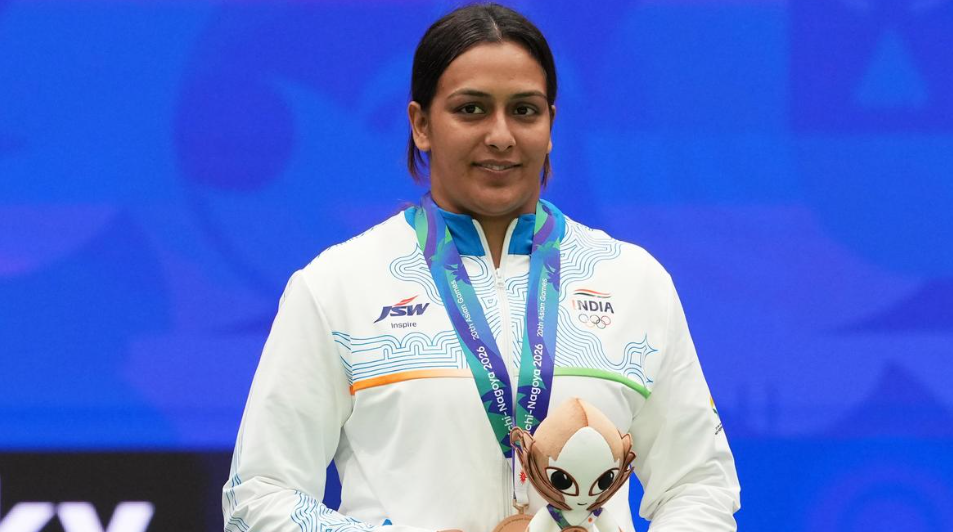
Roshibina Devi has won her second consecutive Asian Games silver medal in women’s 60kg Sanda at the Asian Games 2026.
The Indian wushu star lost 0-2 to China’s Zhang Xiaoyu in the final, with the Chinese fighter winning both rounds 5-0.
The result gives Roshibina her third Asian Games medal, following bronze in 2018 and silver in 2023. She has also become the first Indian wushu athlete to win medals at three successive editions of the Asian Games.
While the gold medal remains elusive, Roshibina’s consistent run has established her as one of India’s most successful wushu athletes on the Asian Games stage.