0
0
 0
0
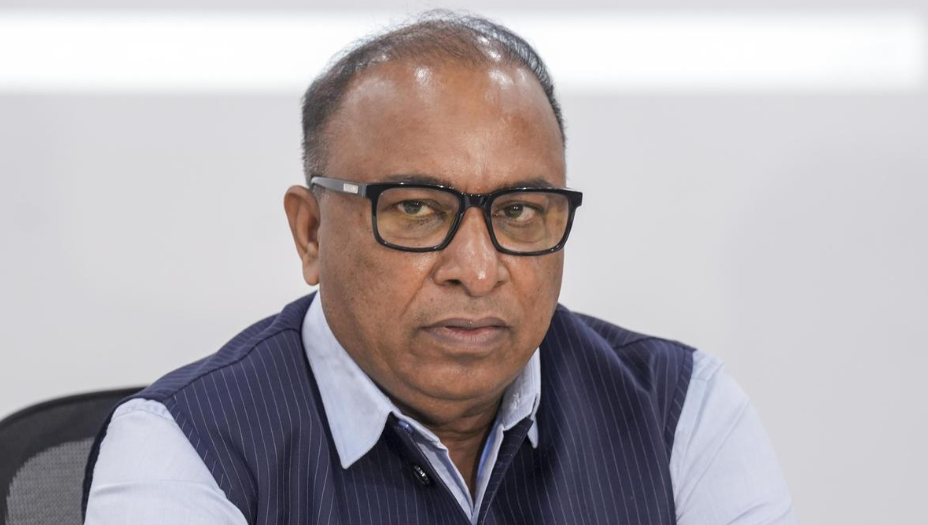
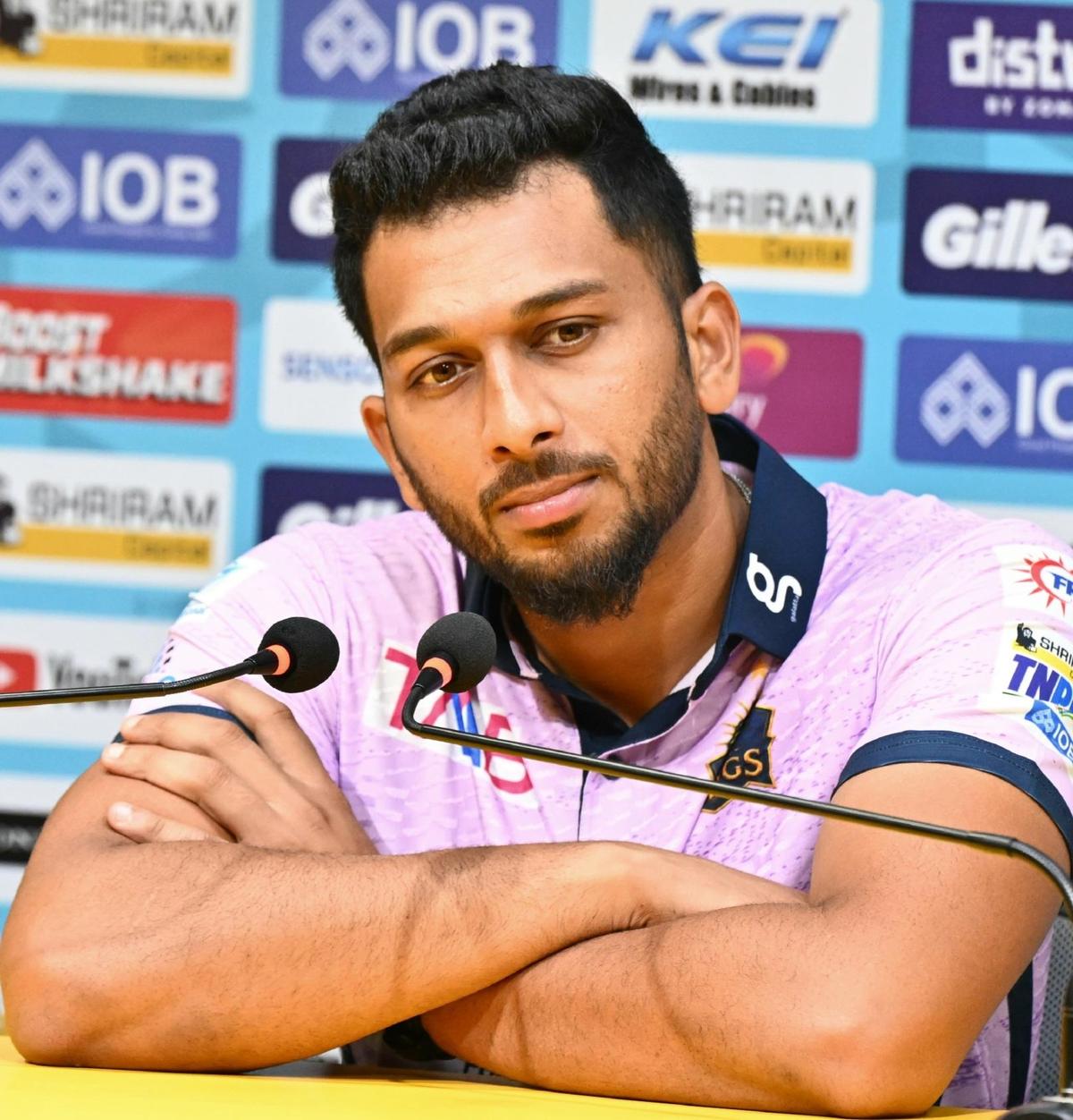
The upcoming India-Japan T20 International has been described as an important milestone in cricket’s ambition to expand beyond its traditional strongholds, with BCCI secretary Devajit Saikia calling the historic fixture a major step toward making the sport truly global.
India and Japan will meet for the first time in a men’s T20 International on September 22, 2026, at the Sano International Cricket Ground in Tochigi Prefecture, Japan. The match will be played under the banner of the Suzuki Cup and will also commemorate the 75th anniversary of India-Japan diplomatic relations.
India-Japan T20I Marks a New Chapter for Cricket
For Saikia, the significance of the fixture goes far beyond the result on the field.
The BCCI secretary said the India-Japan T20I represents cricket’s attempt to move into new territories, connect with different audiences and strengthen its presence in regions where the sport still has considerable room to grow.
Saikia described the fixture as part of cricket’s broader global journey, emphasizing that taking international cricket to Japan could introduce the game to a new audience in East Asia.
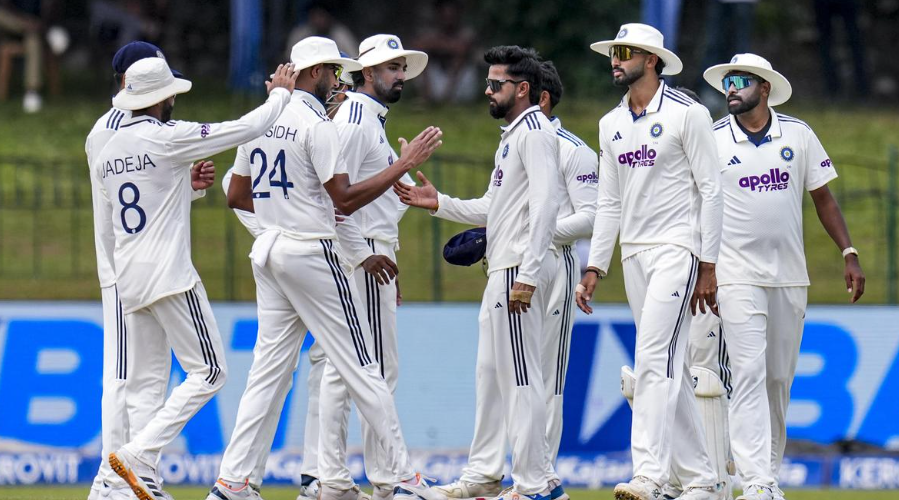
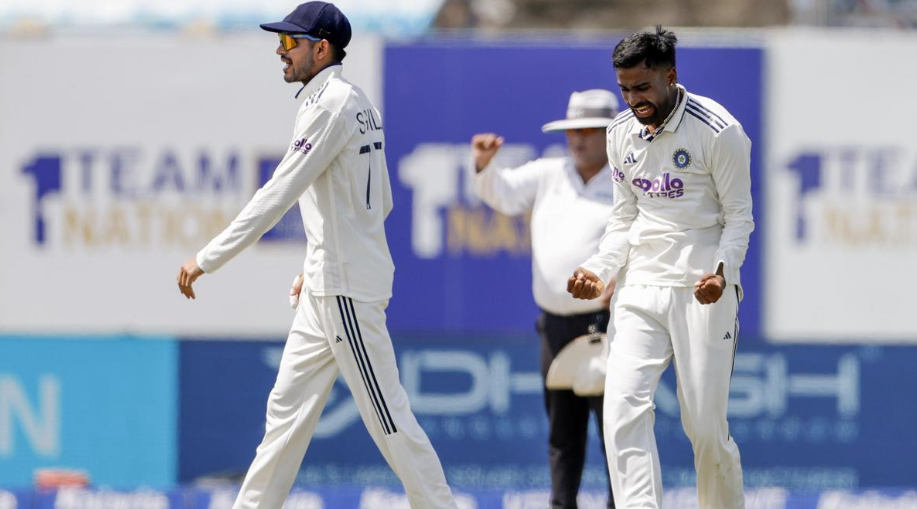
The match therefore carries symbolic importance for both teams. India arrive as the reigning T20 World Cup champions, while Japan will have the opportunity to face one of the world’s leading cricket nations on home soil.
Japan Offers Cricket a New and Important Market
Cricket has historically been strongest in South Asia, Australia, England and several other established markets. Japan, however, represents a different opportunity.
The country has a strong sporting culture, world-class infrastructure and a large potential audience. Expanding cricket’s visibility in Japan could help the sport develop a stronger foothold in East Asia.
The Japan Cricket Association has welcomed the opportunity to host the reigning world champions, describing the fixture as a landmark moment for cricket in the country.
For Japanese cricket, playing against India could provide valuable exposure while giving local players experience against some of the world’s best cricketers.
Saikia Highlights Cricket’s Global Ambition
Saikia has emphasized that the BCCI sees itself as having a responsibility to contribute to the international growth of cricket.
According to his remarks, the India-Japan fixture reflects a broader ambition to make cricket more accessible, inclusive and genuinely global.
He also credited ICC chairman Jay Shah’s efforts to expand cricket into new territories and strengthen the sport’s pathway toward the Olympic movement.
This approach reflects an increasingly important strategy for cricket administrators: developing the sport in countries where it has traditionally had a limited presence.
India-Japan T20I Also Serves as Asian Games Preparation
While the global expansion angle has attracted considerable attention, the match also has a practical purpose for India’s team.
The India-Japan T20I will be played shortly before the 2026 Asian Games in Aichi-Nagoya, where cricket will form part of the men’s competition.
India are scheduled to begin their Asian Games campaign in the quarterfinal stage on September 28. The T20I against Japan will therefore give the Indian squad an opportunity to acclimatise to Japanese conditions and fine-tune combinations before the tournament begins.
India enter the Asian Games as one of the leading contenders after winning the men’s cricket gold medal at the previous Asian Games.
India Enter as T20 World Champions
The gulf in experience between the two sides makes the fixture particularly interesting.
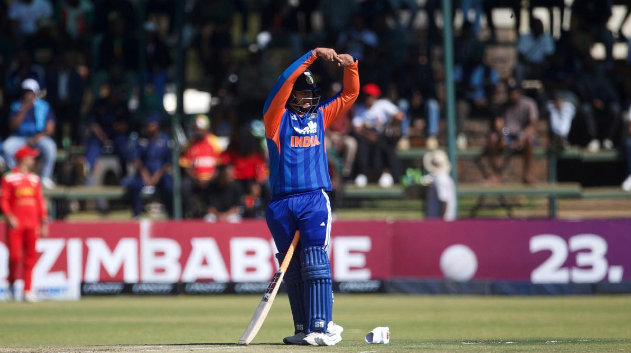
India are currently ranked No. 1 in the ICC men’s T20 rankings and are the reigning T20 World Cup champions. Japan, meanwhile, are ranked 41st in the T20 format.
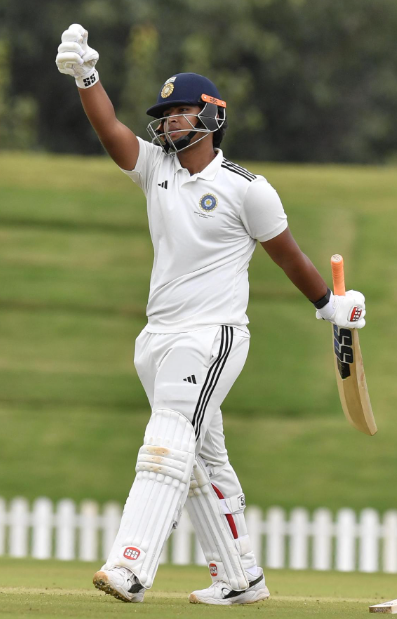
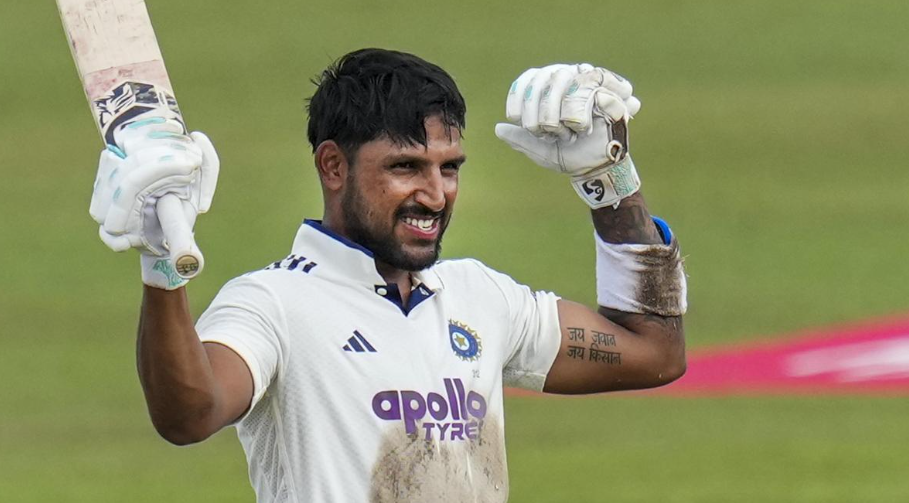
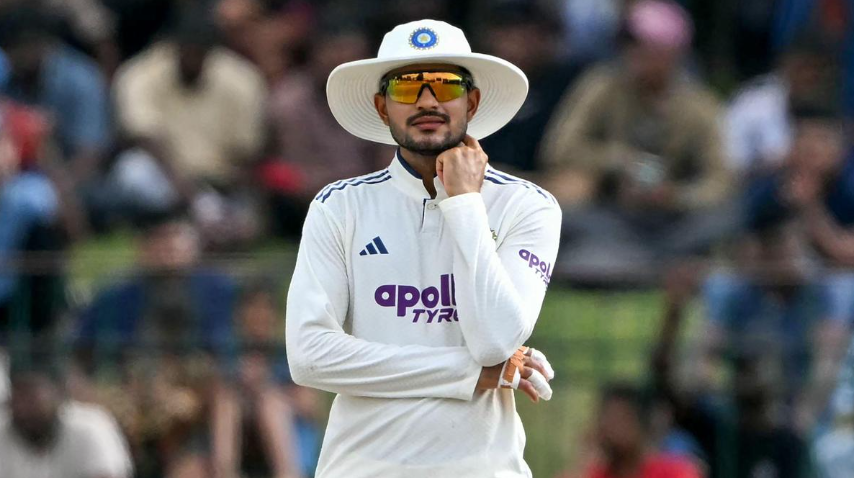
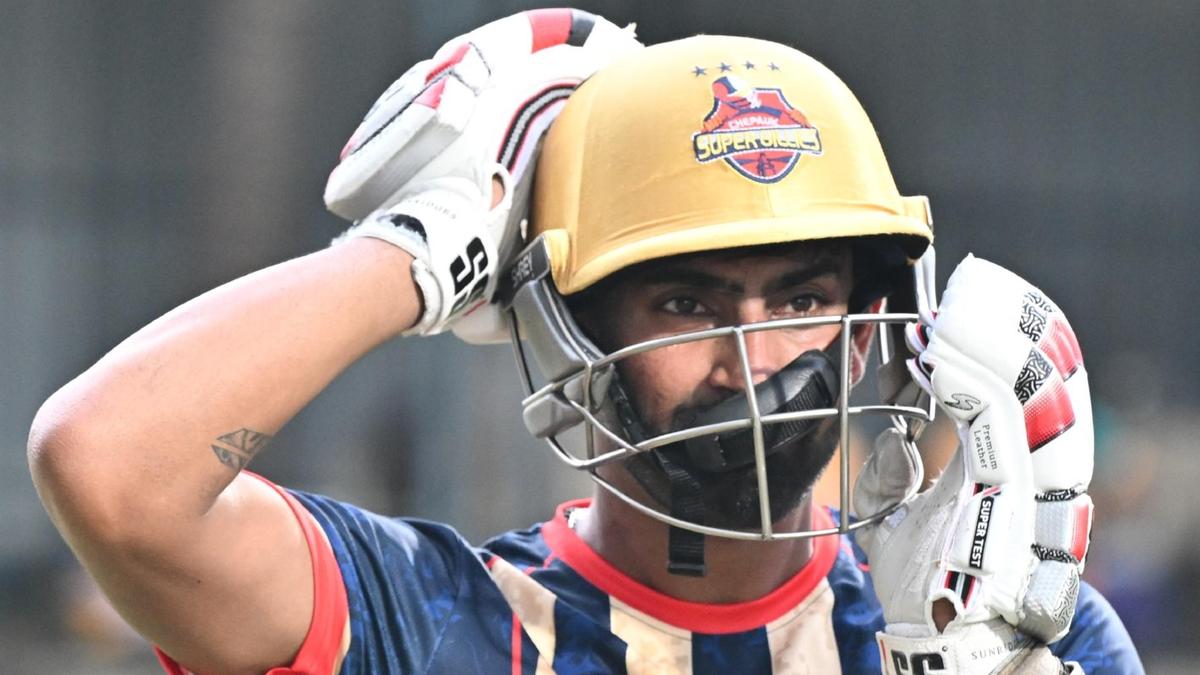
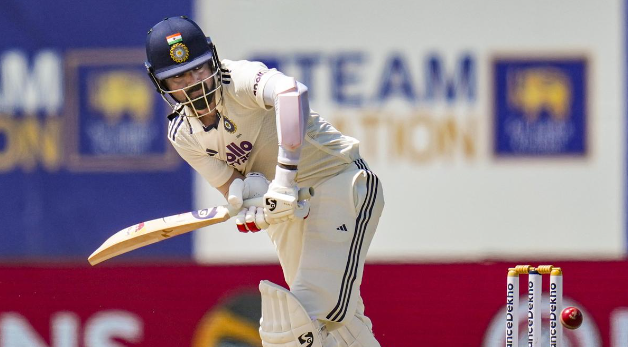
India’s squad will be led by Shreyas Iyer, with Tilak Varma serving as vice-captain. Sanju Samson and teenage batting prospect Vaibhav Sooryavanshi are among the notable players included in the squad.
For Japan, the challenge will be enormous, but the experience could prove valuable for the team’s long-term development.
A Chance to Build a Cricket Audience in East Asia
The biggest potential impact of the India-Japan T20I may not be measured by the scoreboard.
A high-profile international fixture can generate awareness among sports fans who may have had limited exposure to cricket. India’s enormous cricket following could also bring additional attention to the Japanese cricket scene.
That could create opportunities for:
- Greater participation in grassroots cricket
- Increased youth development
- More cricket academies and coaching programmes
- Stronger sponsorship opportunities
- Greater media exposure
- More international fixtures in Japan
- Improved pathways for Japanese players
If the match attracts sustained interest, it could become a foundation for further cricket development in Japan and neighboring East Asian markets.
T20 Format Could Help Cricket Expand Faster
The choice of T20 cricket is also significant.
Compared with Test cricket and longer limited-overs formats, T20 matches are shorter, more dynamic and easier for new audiences to understand and follow.
That makes T20 cricket particularly suitable for markets where cricket is still developing.
The format can also fit more easily into modern sports schedules, making it attractive for broadcasters, sponsors and casual viewers.
For cricket administrators seeking global expansion, T20 therefore provides an effective vehicle for introducing the sport to new audiences.
The Olympic Connection
Cricket’s global expansion is also closely linked to its Olympic ambitions.
Saikia’s comments about building a pathway toward the Olympic movement highlight the importance of developing cricket beyond its traditional countries.
International growth can strengthen cricket’s case as a genuinely global sport, particularly as administrators seek to broaden participation and fan engagement across different continents.
Matches such as India versus Japan can contribute to that objective by creating international cricket opportunities in markets where the sport is still establishing itself.
India-Japan Relationship Adds Historical Significance
The fixture also carries a diplomatic dimension.
The India-Japan T20I will be part of celebrations marking 75 years of diplomatic relations between the two countries.
Sport has frequently served as a bridge between nations, and cricket can play a similar role here.
The match provides an opportunity to combine sporting development with stronger cultural and diplomatic connections between India and Japan.
What the Match Could Mean for Japanese Cricket
For Japan, the benefits could extend well beyond one game.
Facing India could expose Japanese players and coaches to a higher level of international cricket while providing an opportunity to assess where the national programme currently stands.
The experience could help Japan identify areas requiring improvement, from batting and bowling depth to professional preparation and tactical planning.
The Japan Cricket Association can also use the occasion to increase the visibility of domestic cricket and encourage more young athletes to consider the sport.
BCCI’s Role in Cricket’s Global Expansion
The BCCI’s involvement is particularly important because India occupies a central position in the international cricket economy.
The board’s willingness to send its national team to a developing cricket market can generate significant attention and provide credibility to local cricket organisations.
Saikia has also indicated that the BCCI intends to work with the Japan Cricket Association to help strengthen cricket in Japan and build the relationship over the coming years.
Such cooperation could become more important if Japan is to establish itself as a stronger cricket-playing nation in Asia.
A Match Bigger Than the Scoreboard
Ultimately, the India-Japan T20I will be judged by more than runs, wickets and the final result.
For India, it is an opportunity to prepare for the Asian Games and adapt to Japanese conditions. For Japan, it is a chance to compete against the reigning T20 world champions and showcase the country’s cricket ambitions.
For the sport itself, however, the match represents something much larger: an attempt to take cricket beyond its traditional boundaries.
As Saikia put it, the India-Japan contest represents the movement of cricket from a global ambition toward a global reality.
The India-Japan T20I on September 22, 2026, could become an important milestone in cricket’s global expansion.
With India bringing the status of reigning T20 World Cup champions and Japan representing a developing cricket market, the fixture offers benefits for both teams. It also creates an opportunity to introduce cricket to new audiences across Japan and East Asia.
For Devajit Saikia and the BCCI, the message is clear: cricket’s future cannot depend solely on its traditional markets. If the sport is to become truly global, it must continue entering new territories, building new audiences and creating meaningful international connections.
The India-Japan T20I is therefore not simply another international fixture. It is a statement about where global cricket wants to go next.