 0
 0
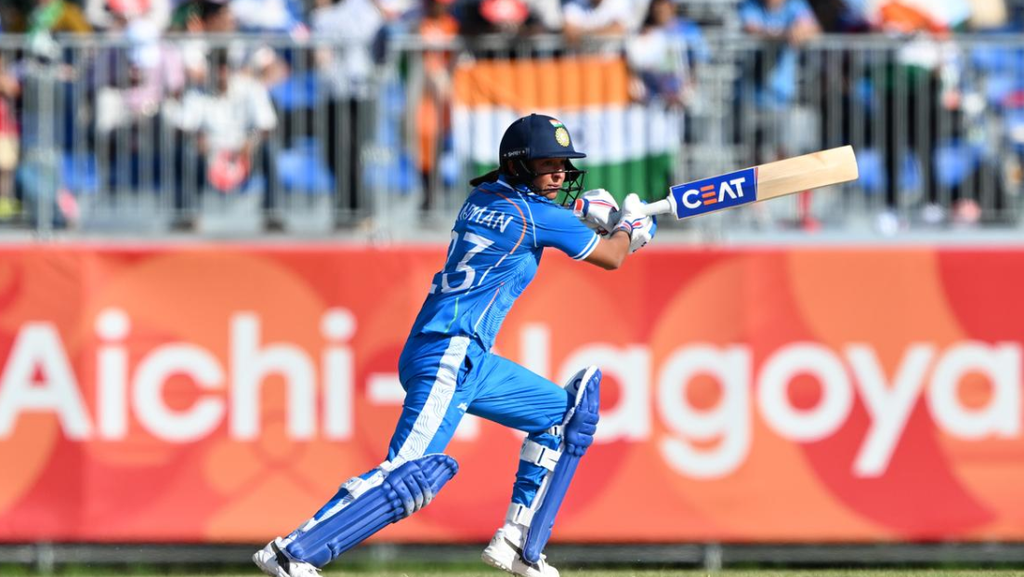
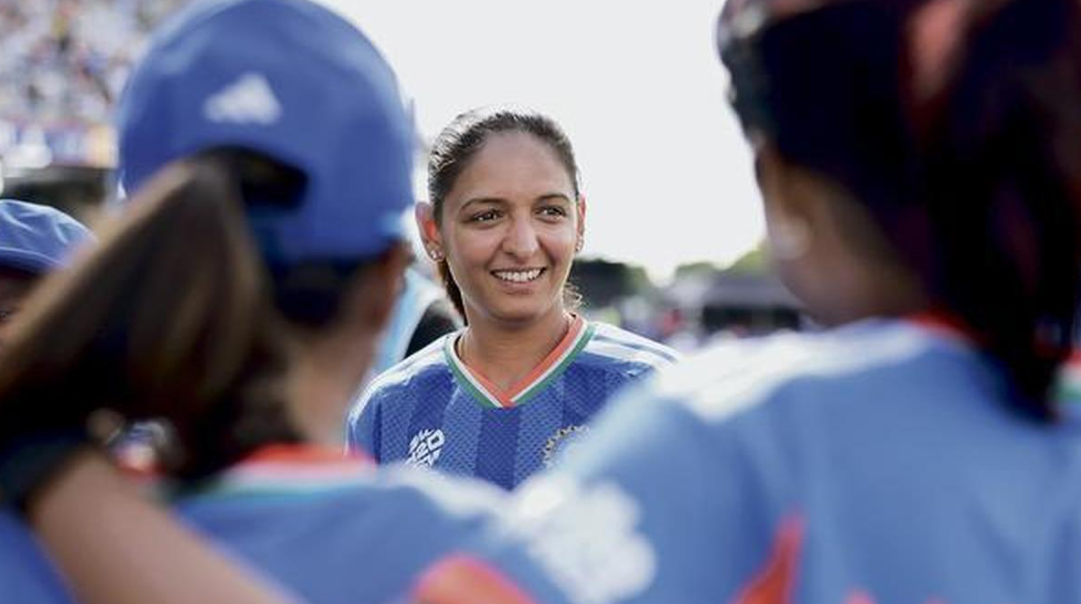
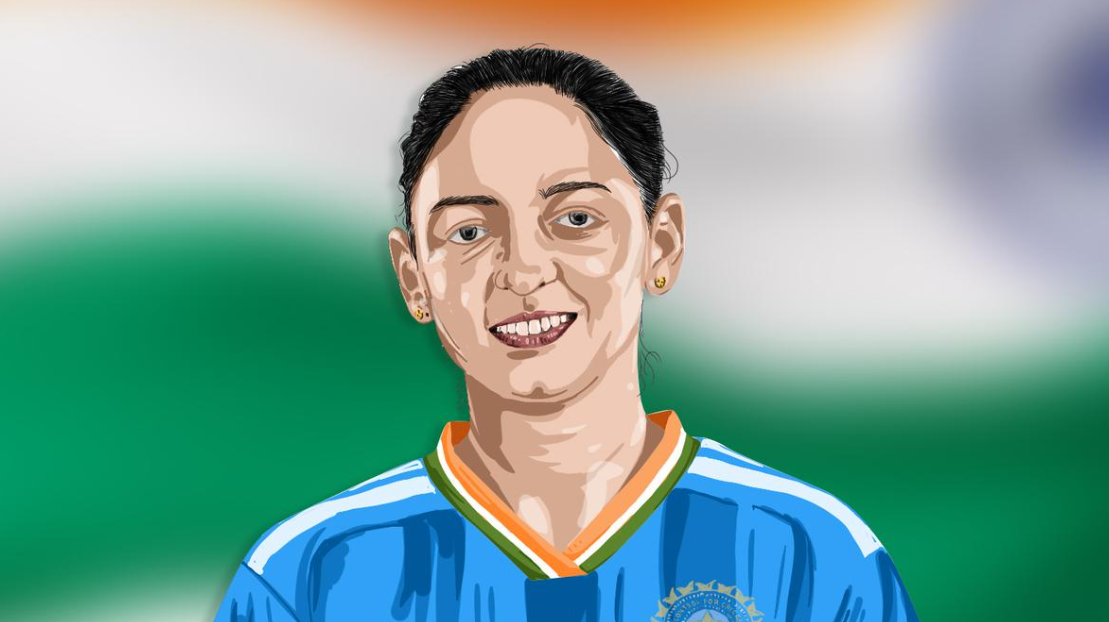
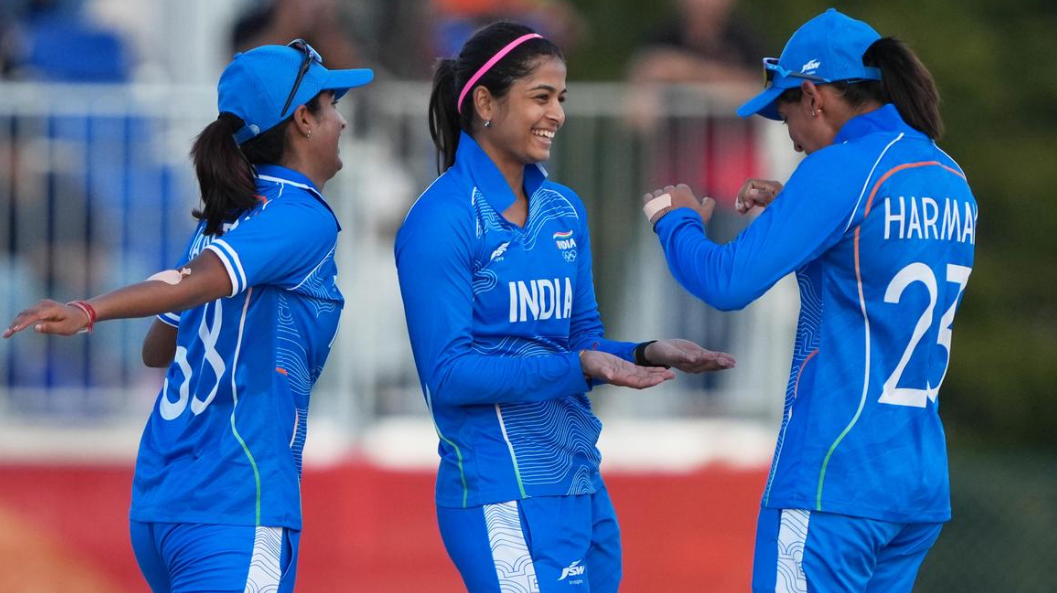
Harmanpreet Kaur loved to lead, and she did so from the front. For more than a decade, the Indian women’s cricket team captain was not merely a leader wearing the armband. She became one of the defining figures of India’s rise in women’s cricket.
On October 6, 2026, Harmanpreet stepped down as India’s captain across all formats, bringing an extraordinary leadership chapter to an end. The 37-year-old confirmed that she would continue playing for India, meaning her departure from captaincy is not the end of her international career.
Her tenure will ultimately be remembered for a combination of historic achievements, difficult moments, personal sacrifice and an unmistakable willingness to take responsibility when the pressure was greatest.
Harmanpreet Kaur’s Leadership Journey Comes Full Circle
Harmanpreet’s leadership journey began unexpectedly in 2012.
With Mithali Raj and Jhulan Goswami unavailable because of injury, a young Harmanpreet was asked to captain India in the Women’s T20 Asia Cup final against Pakistan.
She responded by leading India to an 18-run victory and helping the team win the inaugural Women’s T20 Asia Cup. It was an early indication that leadership was something she was prepared to embrace rather than avoid.
Fourteen years later, her captaincy ended with another major final.
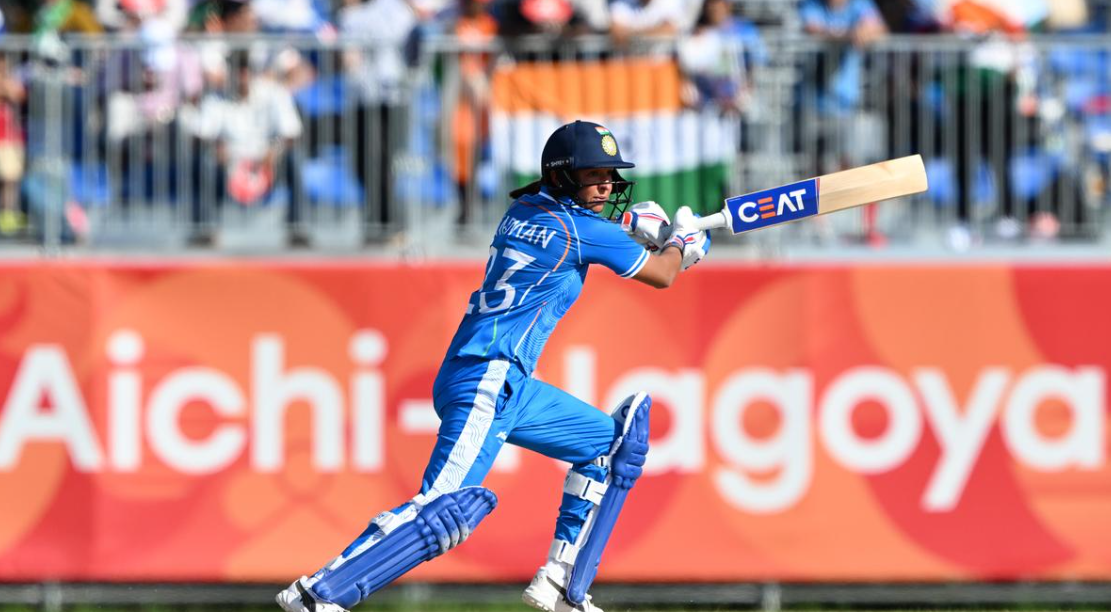
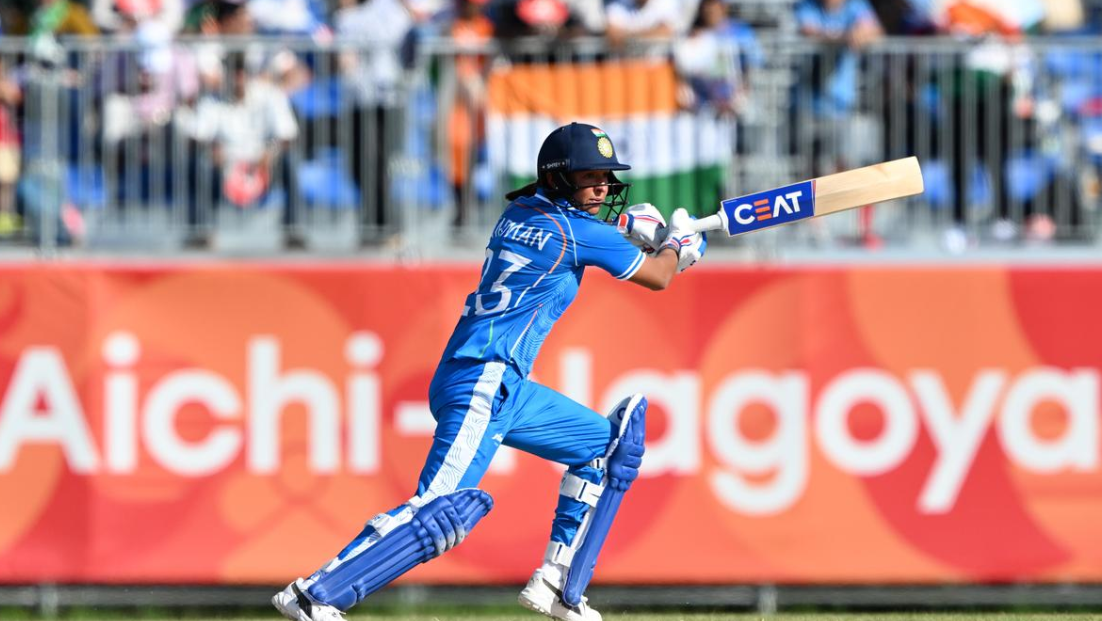
Her last match as India’s captain was the 2026 Asian Games gold-medal match against Sri Lanka, where India secured a 147-run victory.
From an unexpected opportunity in 2012 to an Asian Games gold medal in 2026, Harmanpreet’s leadership journey spanned 5,074 days.
A Captain Who Led from the Front
Harmanpreet Kaur’s greatest strength as a leader was arguably her willingness to put herself at the centre of the contest.
She was never the type of captain who expected others to carry the pressure alone.
Her batting could change a game within a few overs, while her aggressive approach helped establish a more confident identity for India’s women’s team.
That philosophy was particularly evident during India’s historic 2025 Women’s Cricket World Cup campaign.
India had endured difficult moments during the tournament and faced situations in which every match carried enormous significance. Yet Harmanpreet’s team recovered, defeated Australia in the semi-final and eventually beat South Africa in the final to win India’s first Women’s Cricket World Cup title.
It was the defining achievement of her captaincy.
The 2025 World Cup Changed Her Legacy
Before 2025, Harmanpreet’s career was already filled with memorable performances.
Perhaps the most famous came at the 2017 Women’s World Cup, when she scored an unbeaten 171 off 115 balls against Australia in the semi-final.
That innings helped establish her as one of the most destructive batters in women’s cricket.
India eventually lost the 2017 final to England, but the disappointment became part of the longer story of Harmanpreet’s career.
Eight years later, she finally lifted the World Cup trophy as captain.
The symbolism was impossible to miss.
The player who had experienced the heartbreak of the 2017 final was now the captain who delivered India’s first Women’s ODI World Cup title.
Her Captaincy Was About More Than Trophies
Harmanpreet’s leadership cannot be measured only through trophies.
During her tenure, India developed a younger and more aggressive group of players.
She helped younger cricketers settle into international cricket and gave them the confidence to take responsibility.
The Hindu’s assessment of her captaincy highlighted how Harmanpreet supported emerging players such as Kranti Gaud and Shree Charani, while also encouraging Shafali Verma to contribute with the ball.
That aspect of leadership is particularly important.
A successful captain does not simply win matches. A successful captain also leaves behind players who are better prepared to lead the team into the future.
Harmanpreet’s Numbers Tell Their Own Story
Harmanpreet captained India in 211 international matches across formats, winning 126 of them.
Her leadership record also includes eight title or gold-medal finishes, including India’s maiden Women’s ODI World Cup triumph.
She became India’s full-time T20I captain in 2016 and took charge of the ODI and Test teams in 2022 following Mithali Raj’s retirement.
By September 2026, she had become the first captain to lead a team in 150 T20 internationals.
Those numbers underline the extraordinary length and consistency of her leadership career.
A Decade of Highs and Lows
Harmanpreet’s captaincy was never without criticism.
Indian women’s cricket experienced both historic victories and painful defeats during her tenure.
There were tournament disappointments, selection debates and periods when questions were raised about whether the team needed a change in leadership.
The T20 World Cup in England in 2026 was one of the more difficult chapters, with India failing to reach the knockout stage.
Yet that disappointment came after Harmanpreet had already delivered the biggest trophy in Indian women’s cricket.
Her record therefore cannot be reduced to either success or failure.
It was a long leadership cycle involving transition, experimentation, pressure and ultimately historic achievement.
The Lord’s Test Added Another Historic Chapter
Another defining moment came in July 2026 at Lord’s.
India played the first women’s Test at the historic London venue, and Harmanpreet’s side turned the occasion into another landmark for Indian cricket.
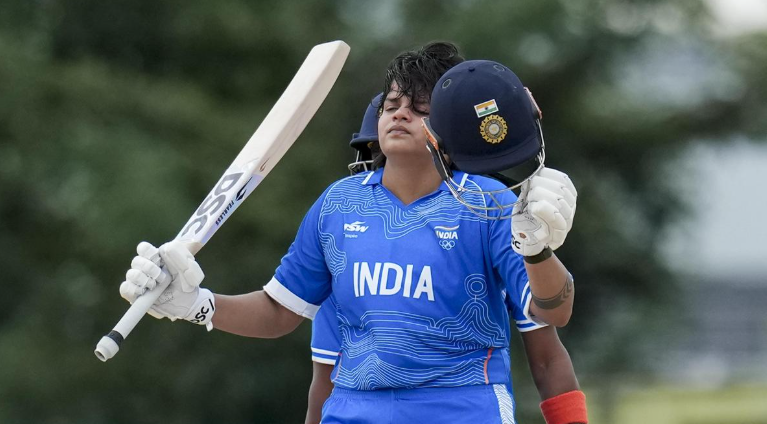
Harmanpreet scored 58 on the opening day, while Kranti Gaud produced figures of 5/37. Yastika Bhatia later scored the first women’s Test century at Lord’s, as India secured a memorable victory.
For Harmanpreet, Lord’s was especially significant.
The same ground where India’s 2017 World Cup dream had ended became the venue for another historic achievement nearly a decade later.
Two Asian Games Gold Medals
Harmanpreet also led India to Asian Games success.
Under her leadership, India won gold medals at two editions of the Asian Games, with the latest coming in 2026.
That victory provided a fitting conclusion to her captaincy.
After leading India to another gold medal, Harmanpreet stepped away from the captaincy rather than attempting to extend her tenure indefinitely.
The decision came at a natural transition point for Indian women’s cricket.
Smriti Mandhana Takes Over
India has now moved into its next leadership era.
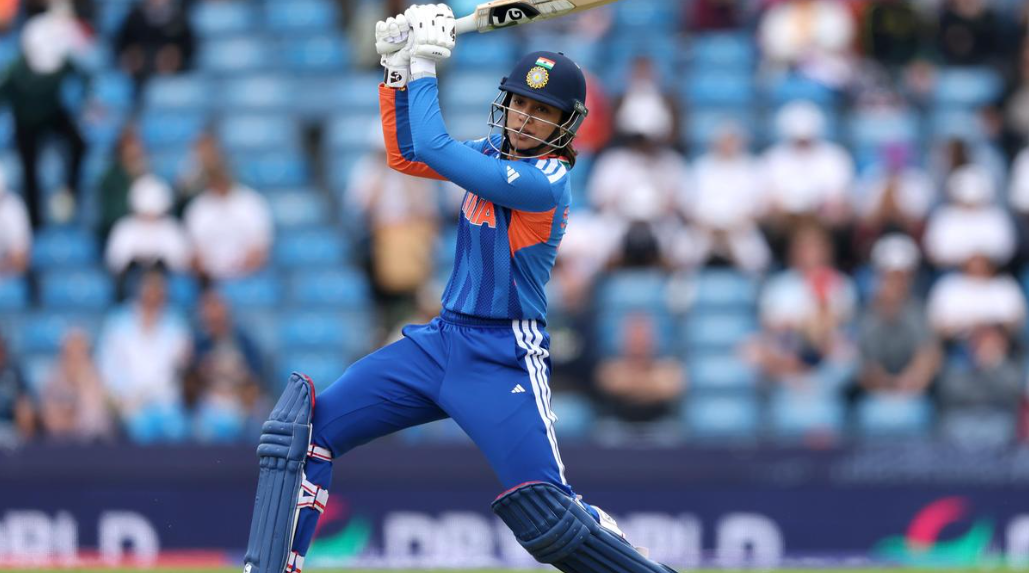
Smriti Mandhana has been appointed captain across formats following Harmanpreet’s decision to step down.
Mandhana had already served as vice-captain and had previous leadership experience, including 18 T20Is and four ODIs for India. She has also led Royal Challengers Bengaluru to two Women’s Premier League titles
That experience should help make the transition smoother.
More importantly, Harmanpreet’s continued presence as a player means the new captain will still have access to one of the most experienced figures in Indian women’s cricket.
Harmanpreet Leaves the Captaincy, Not the Team
One of the most important details surrounding Harmanpreet’s decision is that she has not retired from international cricket.
She remains available as a player.
That means India could still benefit from her experience in pressure situations, particularly in major tournaments where tactical knowledge and composure can make a difference.
The change is therefore better understood as a transfer of leadership rather than the end of an era for Harmanpreet as a cricketer.
Why Her Leadership Matters to Indian Women’s Cricket
Harmanpreet Kaur inherited a team still searching for its place among the world’s strongest women’s cricket nations.
She leaves behind a side that has already won the biggest trophy available in the 50-over format.
Her captaincy also coincided with a period in which women’s cricket in India expanded commercially and competitively, with domestic structures, the Women’s Premier League and international opportunities giving players a larger platform.
Harmanpreet became one of the players who connected those different eras.
She represented the generation that fought for recognition while helping prepare the next generation to expect success.
A Legacy Built on Courage and Responsibility
The phrase “lead from the front” is often used loosely in sport.
In Harmanpreet’s case, it carries particular weight.
She was a powerful batter, an experienced all-format cricketer and a captain who repeatedly accepted responsibility during moments of enormous pressure.
Her most important achievement — India’s first Women’s Cricket World Cup title — came after years of near misses.
Her captaincy ended after another gold medal.
And her decision to step down gives Smriti Mandhana the opportunity to begin a new chapter while Harmanpreet remains part of the playing group.
Harmanpreet Kaur’s Next Chapter
The end of Harmanpreet Kaur’s captaincy does not diminish what she achieved.
She leaves the role as India’s most successful women’s captain by the scale of the milestones achieved during her tenure.
She captained India in 211 matches, won 126, delivered a first Women’s Cricket World Cup title and helped India secure major gold medals.
But perhaps her greatest legacy will be less statistical.
Harmanpreet helped make winning feel possible.
She inherited a team that had suffered major disappointments and left behind one that knows it can conquer the biggest stages in women’s cricket.
Harmanpreet Kaur loved to lead, and she did so from the front. Now, as Smriti Mandhana takes over, her challenge changes from leading India to helping the next generation carry the standard forward.