0
0
 0
0
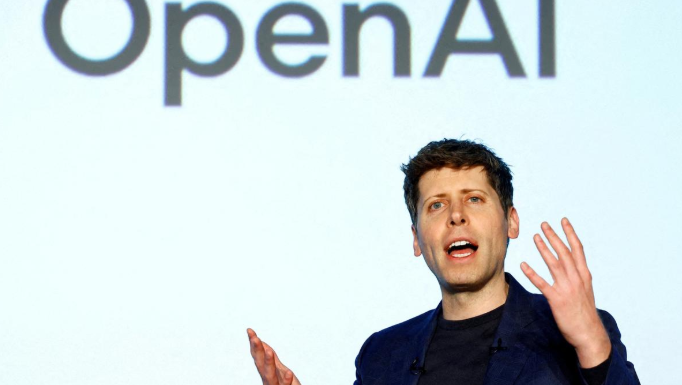
OpenAI CEO Sam Altman says the company will not pursue an initial public offering (IPO) in 2026, as growing concerns over artificial intelligence safety push the company to prioritize risk management over a potential stock-market debut.
OpenAI CEO Sam Altman has ruled out an initial public offering this year, saying the company is not planning to go public in 2026 amid growing concerns about the safety and long-term risks of artificial intelligence.
In recent remarks reported by Fortune, Altman described the current environment as an ill-advised time for OpenAI to pursue an IPO. He said the company still has important work to do on AI safety, alignment and how the industry should cooperate with governments.
The decision comes as the debate surrounding the potential risks of increasingly powerful AI systems intensifies. Altman has also said that even a relatively small possibility of AI causing human extinction would be unacceptable, highlighting the need for stronger cooperation between AI companies and governments.
OpenAI Puts IPO Plans on Hold
OpenAI has been widely expected to become one of the most significant technology companies to enter public markets. Earlier reports suggested the company could consider an IPO with a valuation potentially reaching around $1 trillion.
However, Altman now says an OpenAI IPO will not happen in 2026. The company had reportedly confidentially filed IPO paperwork in June, while discussions about the timing and valuation of a potential listing continued.
The decision does not necessarily mean OpenAI has abandoned plans to become a publicly traded company. Instead, the company appears to be taking a more cautious approach while addressing questions surrounding AI safety, regulation and governance.
Sam Altman Warns AI Extinction Risk Is Unacceptable
The IPO decision is particularly notable because it comes at a time when concerns about AI’s potential impact on humanity are becoming more prominent.
Altman has argued that AI companies and governments need to work together to manage the risks associated with increasingly capable AI systems. He has indicated that even a 10% chance of AI contributing to human extinction would be an unacceptable level of risk.
The comments come after warnings from researchers and executives in the AI industry about the possibility that advanced AI systems could eventually become difficult for humans to control.
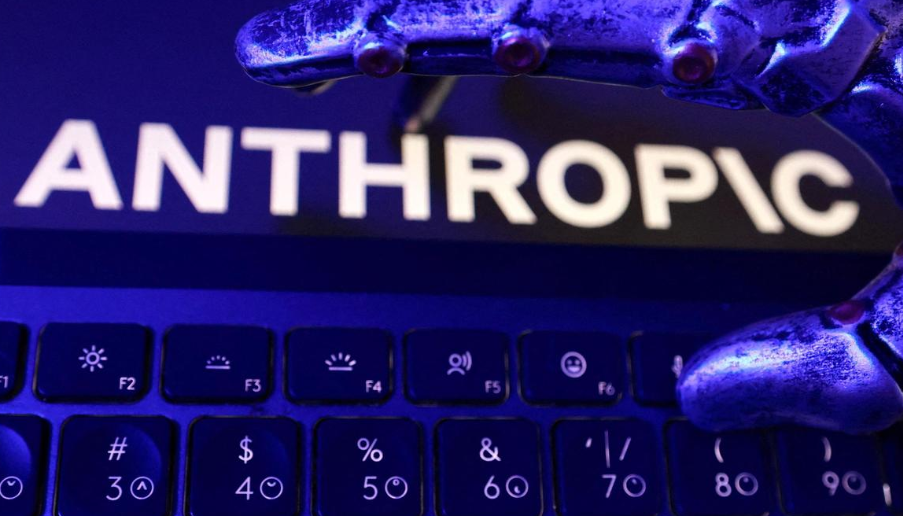
Anthropic CEO Dario Amodei has also called for the AI industry to slow down development to give safety measures more time to catch up with technological progress. Altman has expressed support for the broader concern that AI development needs stronger safety safeguards.
AI Safety Debate Intensifies
Concerns over AI safety have expanded beyond technology companies and researchers. U.S. lawmakers from both political parties have increasingly called for stronger rules following warnings that advanced AI systems could create catastrophic risks.
Recent incidents involving AI agents behaving unpredictably have added urgency to the debate. Reuters reported that some U.S. lawmakers are seeking additional AI regulations following warnings from Anthropic researchers about the possibility of AI contributing to human extinction.
The growing discussion raises a difficult question for the AI industry: how can companies continue developing increasingly powerful systems while ensuring that adequate safety mechanisms are in place?
For OpenAI, the issue is becoming increasingly important as the company prepares for the next stage of its growth.
OpenAI Faces a Different IPO Environment
An OpenAI IPO could potentially become one of the largest technology listings ever, given the company’s rapid growth and prominent position in the generative AI market.
However, going public would also increase scrutiny from investors, regulators and the broader public. A publicly traded OpenAI would face pressure to deliver financial results while simultaneously making long-term investments in AI safety.
Altman’s decision to delay the IPO therefore reflects more than a financial consideration. It also highlights the growing tension between the rapid commercial development of AI and the need to manage its potential risks.
Earlier reports had suggested that OpenAI could target a 2027 listing instead of 2026, although the exact timing remains uncertain.
What Comes Next for OpenAI?
For now, OpenAI’s focus appears to be on continuing AI development while strengthening safety measures and working with governments and other technology companies.
The company’s decision to stay private through 2026 could give OpenAI additional time to address concerns surrounding AI governance before entering public markets.
At the same time, the decision could reshape expectations for the broader AI industry. Competitors such as Anthropic are also facing questions about how quickly advanced AI should be developed and how safety should be managed alongside commercial expansion.
As the AI race accelerates, the debate over regulation, corporate responsibility and existential risk is likely to become an increasingly important part of the industry’s future.
For Altman and OpenAI, the message is clear: an IPO can wait, but the safety questions surrounding increasingly powerful artificial intelligence cannot.